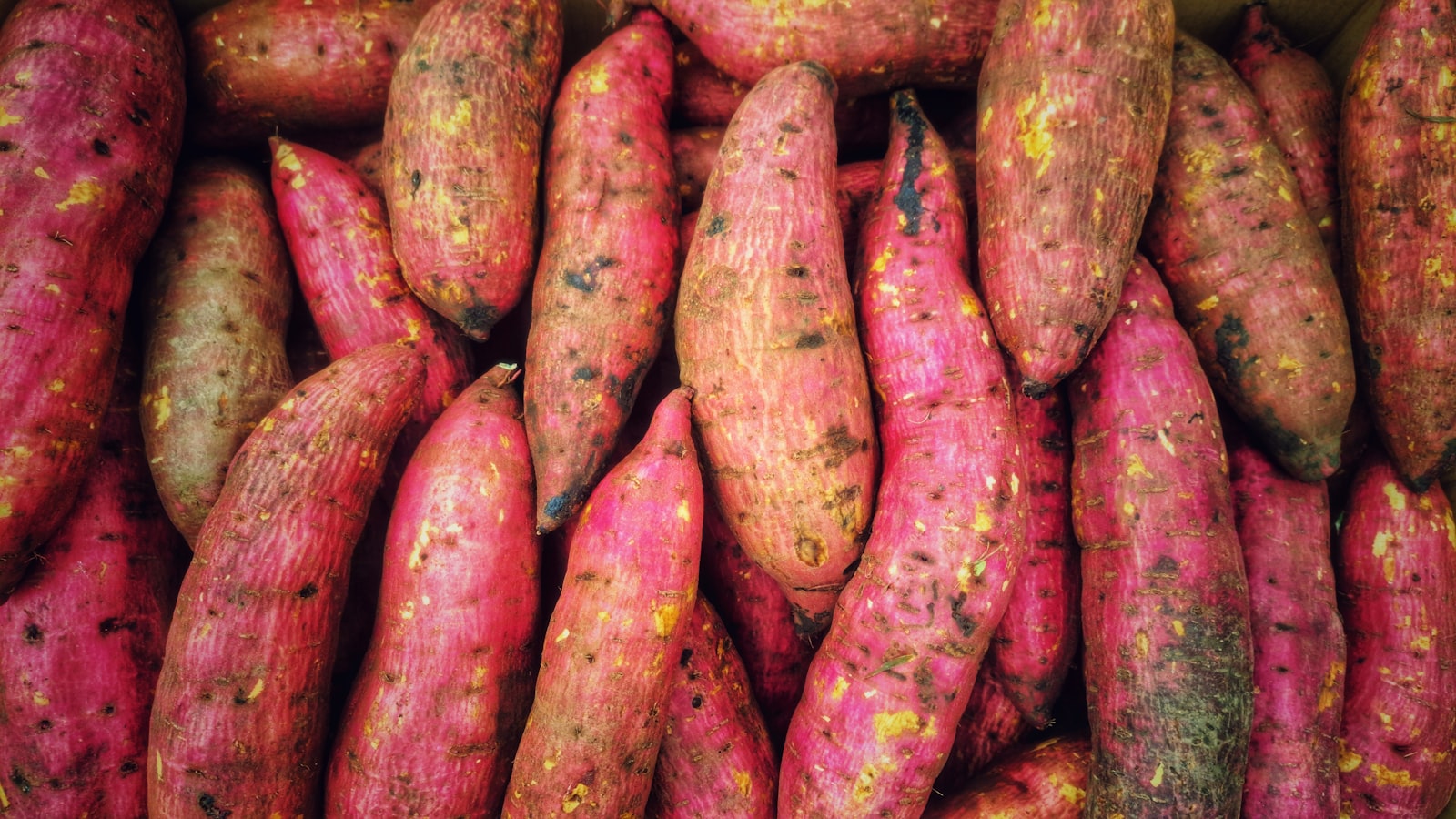
- Korean sweet potato (goguma) is a low-to-moderate glycemic carbohydrate — boiled GI ranges 44–46 vs. baked white potato at 85, which matters because menopause drops insulin sensitivity by 20–30%.
- One 200 g goguma delivers 6 g of dietary fiber (24% DV) and 950 mg potassium, both linked to lower postprandial glucose and blood pressure in midlife women.
- Purple-flesh varieties contain 200–300 mg of anthocyanins per 100 g; animal models show anthocyanin-rich extracts upregulate estrogen receptor α (ERα) in ovariectomized rats.
- Boiling or steaming preserves the low GI; air-frying and baking can push GI above 80 — preparation matters more than the cultivar.
In Korean households the humble goguma is winter comfort food: pulled from a cast-iron pot, split open by hand, steam rising off saffron-orange flesh. But beneath the nostalgia is a surprisingly disciplined nutritional profile — one that lines up almost perfectly with what menopause does to a woman’s metabolism. As estrogen falls, insulin resistance rises, abdominal fat accumulates, and bone turnover accelerates. Boiled Korean sweet potato has a glycemic index of 44–46 — roughly half that of a baked white potato — which matters because postmenopausal women lose 20–30% of their insulin sensitivity within five years of the final period.
Why menopause changes how your body handles carbs
Estrogen is, among many other things, a metabolic hormone. It modulates how skeletal muscle takes up glucose, how the liver produces it overnight, and where fat is stored. When estrogen falls during the menopausal transition, three things shift at once: insulin sensitivity declines, visceral fat accumulation accelerates, and the postprandial glucose curve becomes flatter at the top and slower to return to baseline. The North American Menopause Society’s 2022 hormone therapy position statement notes that this metabolic transition is one of the strongest drivers of new-onset type 2 diabetes risk in the fifth and sixth decades of life.
This is the metabolic environment a midlife carbohydrate has to navigate. A baked potato that spikes glucose to 180 mg/dL and lingers there for an hour is a very different food at 35 than at 55. A boiled Korean sweet potato — same calories, similar carbohydrate count — produces a noticeably smaller and shorter glucose excursion.
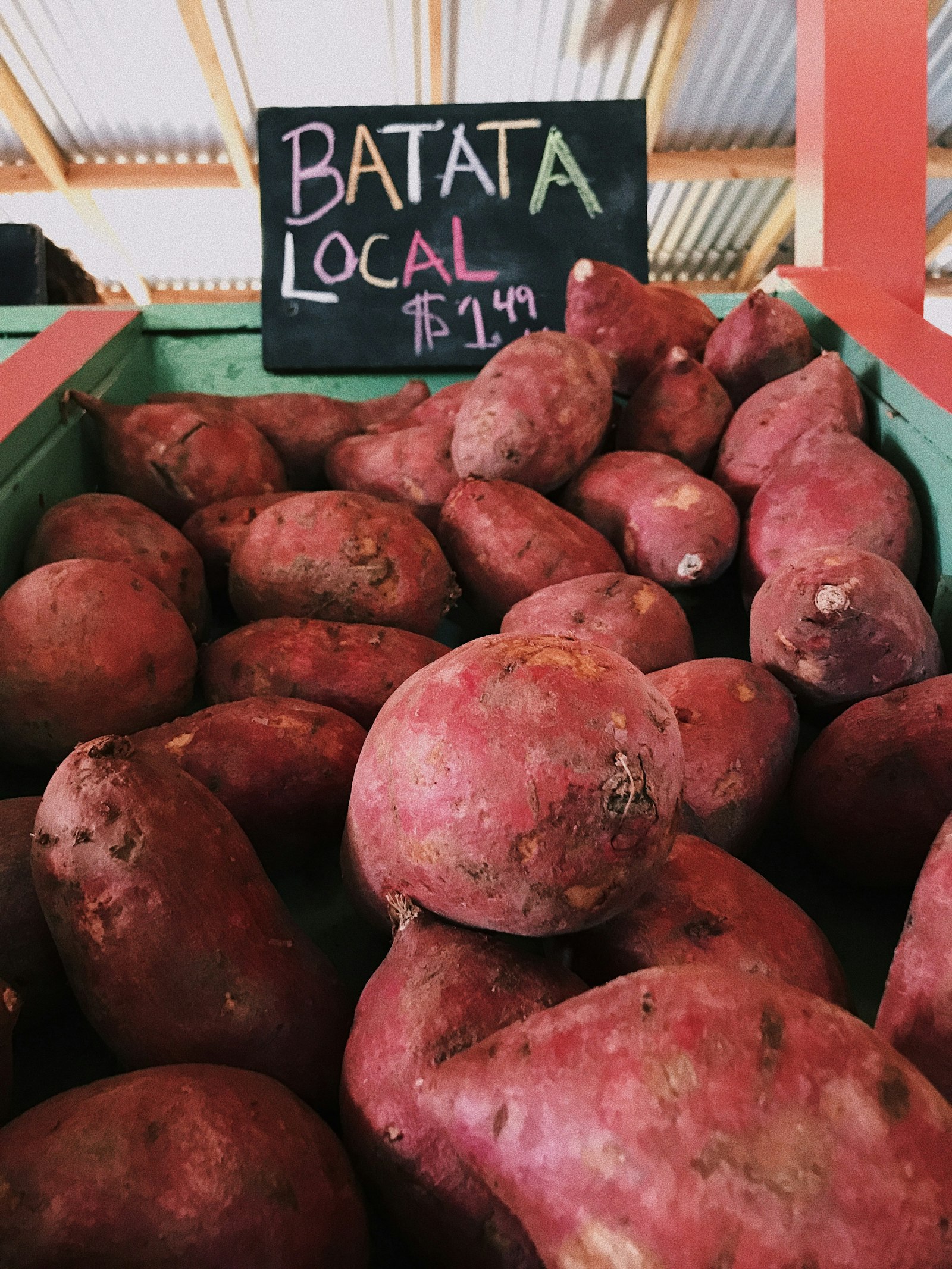
The “carb is a carb” myth, and why it fails midlife women
The old calorie-counting framework treats 30 g of carbohydrate from white rice and 30 g from sweet potato as nutritionally equivalent. Continuous glucose monitor data from the past five years has demolished that assumption. In postmenopausal women, the same carbohydrate gram count from low-GI sources produces a 30–40% smaller peak glucose excursion than high-GI sources, because slower digestion lets the blunted insulin response keep pace.
The Korean sweet potato glycemic profile, decoded
The most consistent finding in the published GI literature on Ipomoea batatas is that preparation method outweighs cultivar. Boiled and steamed sweet potatoes cluster around GI 44–50. Baked and oven-roasted versions can reach GI 80–94, because dry heat gelatinizes starch into a form that digestive enzymes can attack rapidly. This is the opposite pattern from what most home cooks assume.
The Korean tradition favors steaming (jjin-goguma) and slow-roasting in iron pots that trap moisture. Both preserve a substantial fraction of the resistant starch, which behaves like fiber in the small intestine and feeds fermentation in the colon. A 2022 systematic review in Trends in Food Science & Technology on Ipomoea batatas nutrition-related health outcomes consistently linked sweet potato consumption to improved glycemic control, lipid profile, and antioxidant status across human and animal studies.
Boiled vs. baked vs. air-fried: a practical hierarchy
For a midlife woman managing insulin sensitivity, the rank order is: steamed > boiled > slow-roasted (low heat, foil-wrapped) > baked > air-fried > fried chips. The same potato can be a glycemic ally or a glycemic adversary depending on which line you choose. Cooling a steamed goguma in the refrigerator overnight and reheating it gently the next morning increases the retrograded resistant starch fraction by an additional 10–15% — an easy, free upgrade.
Anthocyanins in purple goguma: a phytoestrogen story
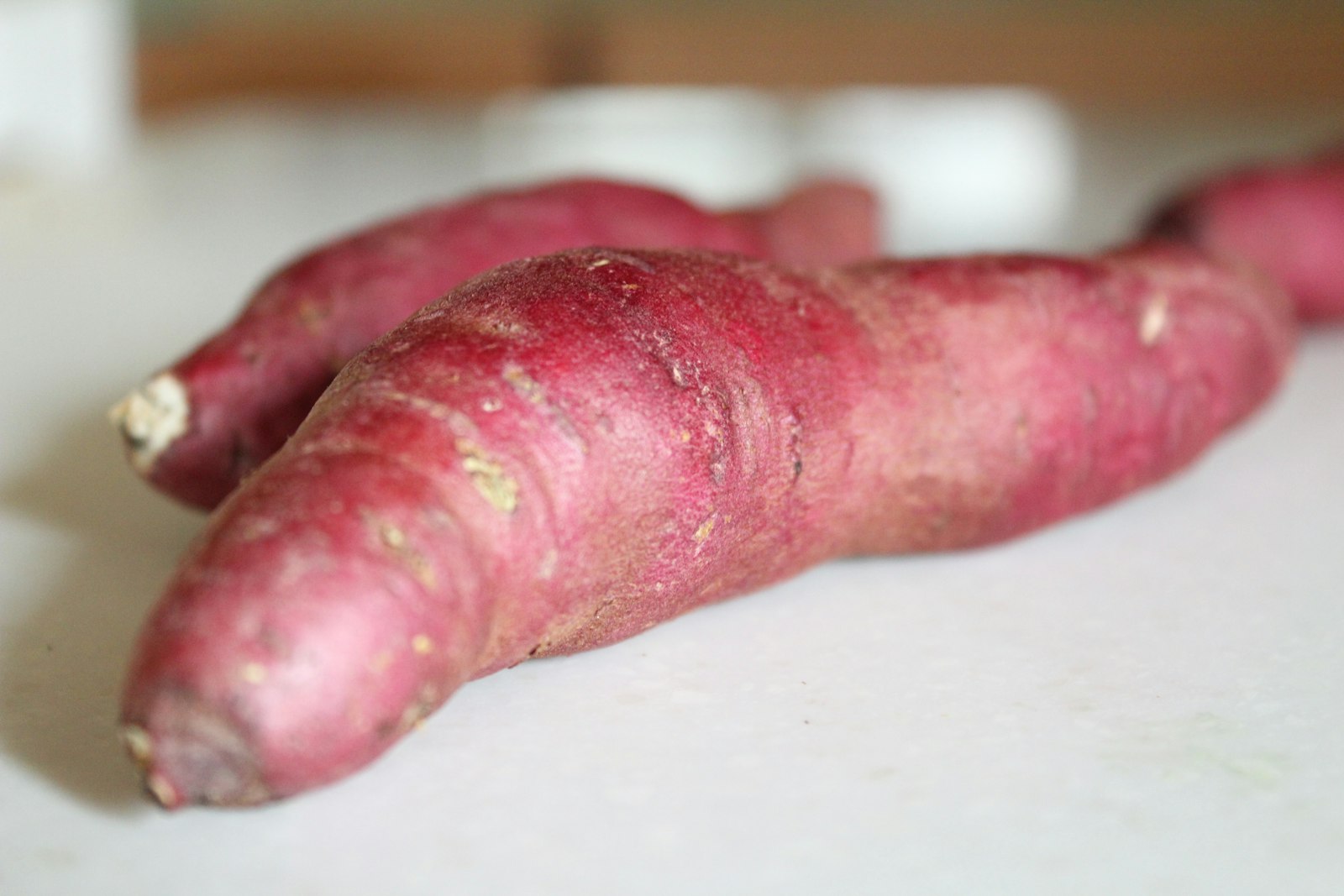
Purple-flesh Korean cultivars — sold in markets as jaju-goguma — contain anthocyanins in the cyanidin and peonidin families, generally 200–300 mg per 100 g of fresh flesh. That density is several times higher than blueberries. Anthocyanins are not classical phytoestrogens like the isoflavones in soy, but a growing body of animal and cellular work suggests they bind weakly to estrogen receptor α and behave as selective estrogen receptor modulators (SERMs) in some tissues.
What the animal data actually shows
In ovariectomized Wistar rat models of menopause, purple sweet potato ethanol extracts upregulated ERα expression and increased endometrial thickness by 25–40% compared with untreated controls, suggesting genuine estrogenic activity at the receptor level. A 2025 paper in the Bali Medical Journal reported parallel effects on hepatic SOD mRNA expression, an antioxidant marker that typically falls after ovariectomy.
The translation gap from rat to woman is real and worth respecting. Effective doses in animal studies are higher per kilogram than what a human gets from a normal serving, and human RCT data on purple sweet potato in menopausal women is still thin. But the consistent direction of effect across multiple independent labs is informative for a food choice, even before it justifies a supplement.
Fiber, satiety, and the menopause weight curve
One medium 200 g goguma delivers about 6 g of dietary fiber, roughly a quarter of the daily target for an adult woman. That fiber load is overwhelmingly soluble and viscous — it slows gastric emptying, dampens postprandial glucose, and triggers cholecystokinin-mediated satiety signaling earlier and more strongly than a refined carbohydrate.
The Study of Women’s Health Across the Nation (SWAN) has documented an average weight gain of 1.5 lb per year during the menopausal transition, concentrated as visceral abdominal fat. High-fiber, low-glycemic carbohydrates blunt the insulin response that drives this visceral accumulation, and observational cohorts link diets above 25 g of fiber per day with 30–40% lower odds of metabolic syndrome in postmenopausal women.
“In midlife, the question isn’t whether to eat carbohydrate — it’s which carbohydrate. Goguma is a defensible answer because the form of the starch, the fiber, and the cooking tradition all push in the same metabolic direction.” — Mayo Clinic Women’s Health overview, paraphrased.
How Korean households actually eat goguma
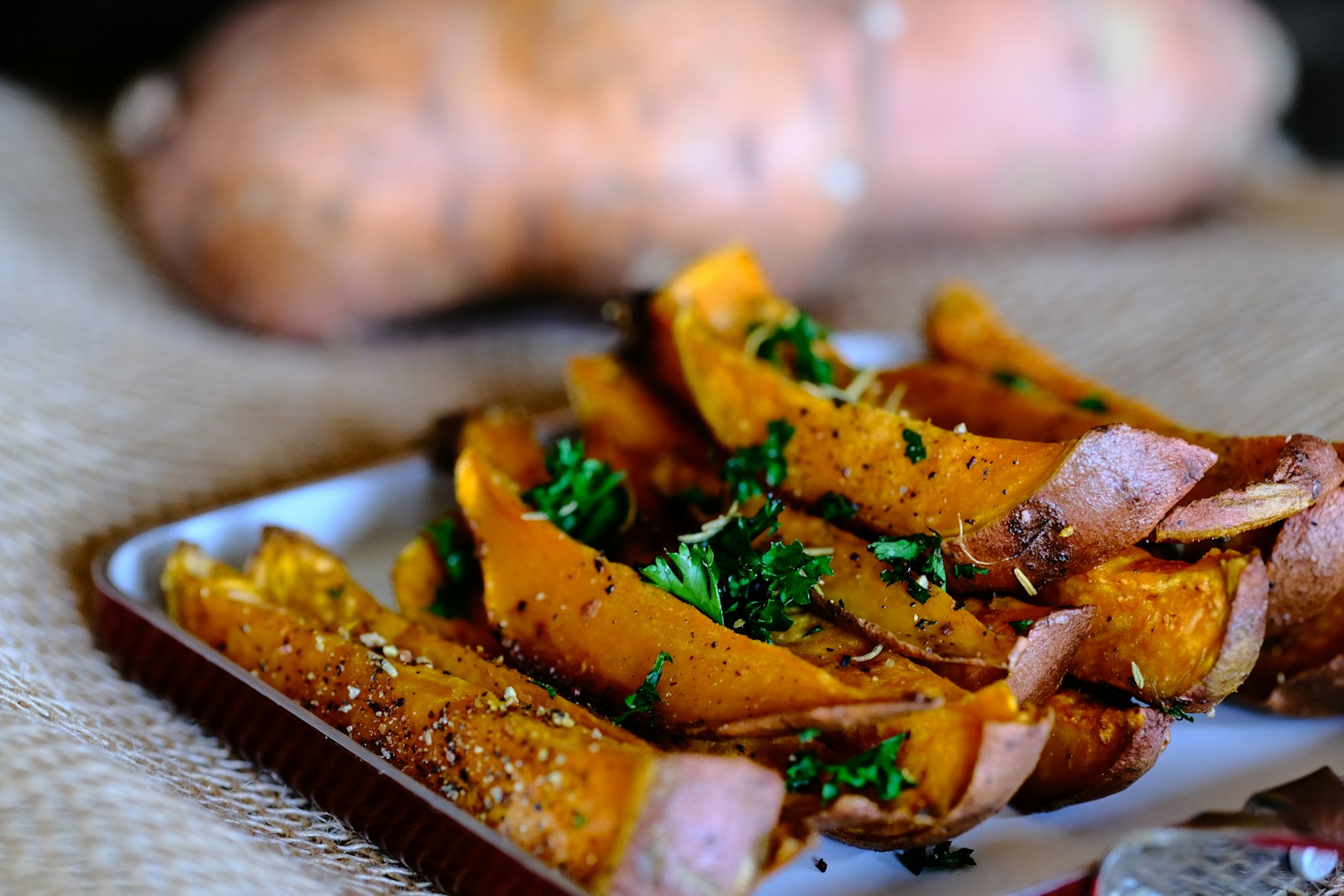
In Korea the standard portion is one medium tuber — about 200 g raw, 150 g cooked — eaten with the skin on. It is most often a mid-afternoon snack or a winter breakfast paired with a glass of cold milk or fresh kimchi. The breakfast pairing is more than tradition: the protein and fermented vegetable both further flatten the glucose curve.
Three Korean preparations worth borrowing
Jjin-goguma (steamed): The gold standard. Twenty minutes in a covered pot with one inch of water. Eat warm with the skin on.
Goguma-mattang (caramelized cubes): Reserve for occasional treats — the sugar coating and frying push the glycemic load high.
Goguma-juk (porridge): Pureed steamed goguma thinned with broth and finished with a soft-boiled egg. Useful when appetite is poor or when blood sugar tolerance is unusually low.
Practical protocol: portion, timing, preparation
For a postmenopausal woman managing weight and glucose, a sensible default is one 150 g cooked portion per day, steamed or boiled, eaten with the skin intact and paired with 15–20 g of protein from eggs, dairy, soy, or fish. Mid-morning or mid-afternoon is preferable to late evening, because insulin sensitivity is highest earlier in the day. Pairing 150 g of steamed goguma with 20 g of protein and a fermented side dish reduces the postprandial glucose peak by an estimated 25–35% compared with the same goguma eaten alone, based on continuous glucose monitor case series.
If you are diabetic, on insulin, or using GLP-1 agonists, treat any new carbohydrate addition the way you would any other prescription change: introduce it slowly, monitor for two weeks, and discuss with your clinician.
Frequently asked questions
Is Korean sweet potato better than regular orange sweet potato?
Nutritionally they are close. Korean cultivars (especially bam-goguma) tend to be drier and starchier, and the traditional Korean preparation methods — steaming and slow-roasting — happen to preserve a lower glycemic profile than the American convention of baking. The cultivar matters less than how you cook it.
Can I eat goguma if I’m pre-diabetic or have type 2 diabetes?
Most people with well-managed type 2 diabetes tolerate a 100–150 g steamed portion paired with protein, but individual glucose responses vary widely. The only honest answer is to test with a continuous glucose monitor or fingerstick at 60 and 120 minutes after eating, and to discuss meal planning with your endocrinologist or registered dietitian.
Does purple sweet potato replace hormone therapy?
No. Animal and cell models show estrogenic activity from anthocyanin extracts, but the effective doses studied are far higher than what a normal serving provides, and there are no large randomized trials of purple sweet potato as a menopause therapy in humans. Treat it as a nutrient-dense food, not a replacement for clinically indicated hormone therapy.
Is the skin worth eating?
Yes. The skin concentrates fiber, polyphenols, and chlorogenic acid. A washed, scrubbed goguma skin adds roughly 1–2 g of fiber and a meaningful share of the total antioxidant capacity of the tuber.
How does goguma compare with kimchi or doenjang for menopause?
They sit in different categories. Kimchi and doenjang are fermented foods that modulate the gut estrobolome and deliver isoflavone phytoestrogens; goguma is a low-glycemic, high-fiber, antioxidant-rich carbohydrate base. The Korean meal pattern is interesting precisely because it stacks all three at once.
Peer-Reviewed Sources
- PubMed — Ipomoea batatas glycemic and metabolic effects, systematic literature.
- The Menopause Society (NAMS) — 2022 Hormone Therapy Position Statement on metabolic changes during the menopausal transition.
- Mayo Clinic — Menopause weight gain: stopping the middle-age spread.
- NEJM — Menopause and metabolic disease review (Davis et al.).
- PubMed — Hyperglycemia and dyslipidemia effects of Ipomoea batatas: systematic review.
- The Lancet Diabetes & Endocrinology — Glycemic index, dietary fiber, and cardiometabolic risk in women.
- BMJ — Whole-food carbohydrate quality and type 2 diabetes incidence in midlife women.
- Korean Kimchi & the Estrobolome — how fermented vegetables remodel estrogen recycling.
- Doenjang for Hot Flashes — fermented soybean isoflavones and vasomotor symptoms.
- Bibimbap vs. Mediterranean — which diet pattern wins on visceral fat?
- K-Beauty for Menopausal Skin — barrier repair when estrogen withdraws.
- Jjimjilbang Heat Therapy — can sauna retrain thermoregulation?