한밤중, 아기 이마가 평소보다 뜨겁게 느껴질 때 가장 먼저 드는 생각은 “해열제를 먹여야 하나”일지도 모릅니다. 그런데 아기가 아주 어릴수록, 특히 생후 3개월이 지나지 않았다면 그 판단의 기준이 조금 달라집니다. 어른이나 큰 아이에게는 대수롭지 않은 미열이, 갓 태어난 아기에게는 몸속 깊은 곳의 감염을 알리는 첫 신호일 수 있기 때문입니다. 오늘은 과장도 겁주기도 아닌, 꼭 필요한 선 긋기를 함께 해보려 합니다. 어떤 열은 집에서 지켜봐도 되고, 어떤 열은 지금 바로 병원으로 가야 할까요?
- 생후 3개월 미만 아기가 38도 이상 열이 나면, 해열제보다 먼저 병원·응급실을 떠올려야 합니다.
- 이 시기에 열이 위험한 이유는 아기 스스로 감염을 막아내는 힘이 아직 덜 자랐기 때문입니다.
- 열의 숫자보다 더 중요한 건 아기의 상태입니다. 축 처지고, 잘 안 먹고, 숨이 가쁘면 숫자와 상관없이 병원으로 가세요.
- 생후 3개월이 지나면 기준이 조금 여유로워지지만, 해열제 용량과 종류는 월령에 맞게 지켜야 합니다.
- 열성경련은 생각보다 흔하고 대부분 저절로 멎지만, 5분을 넘기면 응급 상황입니다.
아기 열은 왜 어른 열과 다르게 봐야 할까요?
열 자체는 병이 아니라, 몸이 무언가와 싸우고 있다는 신호입니다. 바이러스나 세균이 들어오면 몸은 체온을 올려 방어에 나서는데, 이 과정은 아기에게도 똑같이 일어납니다. 그런데 갓 태어난 아기는 결정적으로 다른 점이 하나 있습니다. 감염을 걸러내고 가두는 면역의 ‘방어선’이 아직 완성되지 않았다는 점입니다. 그래서 어른이라면 가볍게 지나갈 감염도, 아주 어린 아기에게는 혈액이나 뇌척수액까지 빠르게 번질 수 있습니다.
그래서 의료 현장에서는 아기의 발열을 나이로 선을 그어 다르게 접근합니다. 발열의 기준은 보통 직장(항문) 체온 38도 이상으로 봅니다. 돌 이전 아기의 정상 체온은 대략 37.5도 이하인데, 측정 부위와 시간에 따라 조금씩 달라집니다. 겨드랑이로 쟀을 때 37.3도 이상이면 미열, 38도 이상이면 진료를 권하는 수준, 39도 이상이면 고열로 봅니다.
생후 3개월 미만 아기가 직장 체온 38도 이상으로 열이 난다면, 집에서 해열제로 지켜보기보다 그 자체를 응급 상황으로 보고 바로 병원을 찾는 것이 원칙입니다. 이것은 겁을 주려는 말이 아니라, 전 세계 소아과가 공통으로 지키는 안전장치에 가깝습니다.
(생후 90일 미만 발열 영아 대상 코호트 연구 참고)
개월 수에 따라 ‘열의 의미’가 달라집니다
같은 38도라도, 아기가 태어난 지 2주 됐을 때와 5개월 됐을 때는 접근이 완전히 다릅니다. 미국소아과학회가 2021년에 정리한 지침을 보면, 열이 나는 아기를 나이에 따라 세심하게 나누어 다룹니다.
미국소아과학회는 생후 8일에서 60일 사이의 열이 나는 아기를 나이에 따라 세 구간으로 나누어 검사와 치료를 달리하도록 2021년 지침에서 권고하고 있습니다. 아주 어릴수록 더 적극적으로 검사하고, 조금 자랄수록 상태를 보며 선택의 폭을 넓히는 식입니다.
정리하면 이렇습니다. 생후 3개월(약 90일) 전까지는 열이 났다는 사실 자체가 병원에 갈 이유가 됩니다. 생후 4개월이 지나면 38도 이상이면서 아기가 힘들어할 때 먹는 해열제로 대부분 넘길 수 있고, 48시간 넘게 열이 이어지면 원인을 확인하러 병원에 갑니다. 다만 이 선은 어디까지나 ‘겉보기에 멀쩡한’ 아기를 전제로 한 것이고, 아래에서 볼 위험 신호가 하나라도 있으면 나이와 상관없이 병원이 먼저입니다.
집에서 지켜볼 열 vs 바로 병원에 갈 열
부모 입장에서 가장 궁금한 건 결국 “지금 병원에 가야 하나, 조금 기다려도 되나”일 것입니다. 아래 표로 큰 기준을 정리했습니다. 단, 표는 참고일 뿐 월령이 어릴수록 보수적으로, 즉 더 빨리 병원 쪽으로 기우는 것이 안전합니다.
| 상황 | 집에서 지켜볼 수 있어요 | 바로 병원·응급실로 |
|---|---|---|
| 월령 | 생후 6개월 이상, 잘 먹고 잘 놀 때 | 생후 3개월 미만에서 38도 이상 |
| 아기 상태 | 눈 맞춤이 되고, 달래면 울음이 그쳐요 | 축 처지고 반응이 느리거나, 달래도 계속 보채요 |
| 수유 | 평소의 절반 이상은 먹어요 | 젖·분유를 거의 거부하거나 계속 토해요 |
| 호흡 | 편안하게 숨을 쉬어요 | 숨이 가쁘거나, 갈비뼈 사이가 쑥 들어가요 |
| 지속·동반 증상 | 하루 이틀 안에 좋아지는 기미가 보여요 | 발진·경련·의식 저하, 또는 열이 48시간 이상 지속 |
특히 어린 아기에게서 꼭 챙겨야 할 것이 탈수입니다. 열이 나면 몸에서 수분이 더 빠져나가는데, 아기는 금세 탈수에 빠질 수 있습니다. 기저귀가 평소보다 눈에 띄게 덜 젖거나, 울어도 눈물이 거의 없거나, 입안이 바싹 마르고, 머리 정수리의 말랑한 부분(대천문)이 쑥 꺼져 보인다면 수분이 부족하다는 신호일 수 있습니다. 이럴 때는 수유 간격을 조금 더 자주 가져가되, 상태가 나아지지 않으면 진료를 받는 것이 좋습니다.
“열의 숫자 하나에 매달리기보다, 아기가 평소와 얼마나 다른지를 보세요. 잘 먹고 잘 놀고 눈을 맞추면 조금 기다려 볼 수 있지만, 축 처지고 반응이 사라지면 체온이 몇 도든 병원이 먼저입니다.”
지금 응급실로 가야 할 위험 신호
아래 신호들은 월령과 상관없이, 하나라도 보이면 밤이든 주말이든 바로 응급실을 찾아야 하는 것들입니다. 반대로 말하면, 이 신호들이 없고 아기가 잘 먹고 잘 논다면 너무 겁먹지 않아도 됩니다.
여기에 더해, 누르면 하얗게 변했다가 돌아오지 않는 자줏빛 반점(점상출혈)은 특히 조심해야 합니다. 목이 뻣뻣해 보이거나, 빛을 유난히 싫어하거나, 울음소리가 평소와 다르게 날카롭고 끊이지 않을 때도 뇌수막염 같은 중한 감염을 떠올려야 하는 신호입니다. 한 코호트 연구를 보면 생후 90일 무렵 발열로 병원을 찾은 아기 10명 가운데 약 1명에서 요로감염이나 균혈증 같은 심각한 세균 감염이 확인되었습니다. 드물지 않기에, 어린 아기일수록 ‘설마’보다 ‘확인’이 안전합니다.
열이 아니어도 놓치면 안 되는 신호
신생아 시기에는 열 말고도 몸이 보내는 신호가 몇 가지 더 있습니다. 대표적인 것이 황달입니다. 생후 2~3일부터 얼굴이 노랗게 되는 생리적 황달은 흔하고 대개 자연히 좋아지지만, 노란 기운이 가슴과 배를 지나 팔다리까지 내려오거나, 생후 2주가 지나도 사라지지 않거나, 아기가 잘 안 먹고 처진다면 진료가 필요합니다.
수유와 수면도 좋은 지표입니다. 평소 잘 먹던 아기가 갑자기 먹는 양이 뚝 떨어지거나, 하루 종일 축 늘어져 깨워도 잘 깨지 않거나, 반대로 평소와 다르게 끊임없이 자지러지게 운다면 몸 어딘가가 불편하다는 뜻일 수 있습니다. 호흡이 지나치게 빠르거나, 입 주위가 파랗게 보이거나, 기저귀가 반나절 넘게 말라 있는 것도 흘려보내지 말아야 할 변화입니다. 신생아는 증상을 말로 표현하지 못하기 때문에, 이런 ‘평소와 다름’이 곧 아기의 언어라고 생각하면 좋습니다.
집에서 바르게 열을 재고 돌보는 법
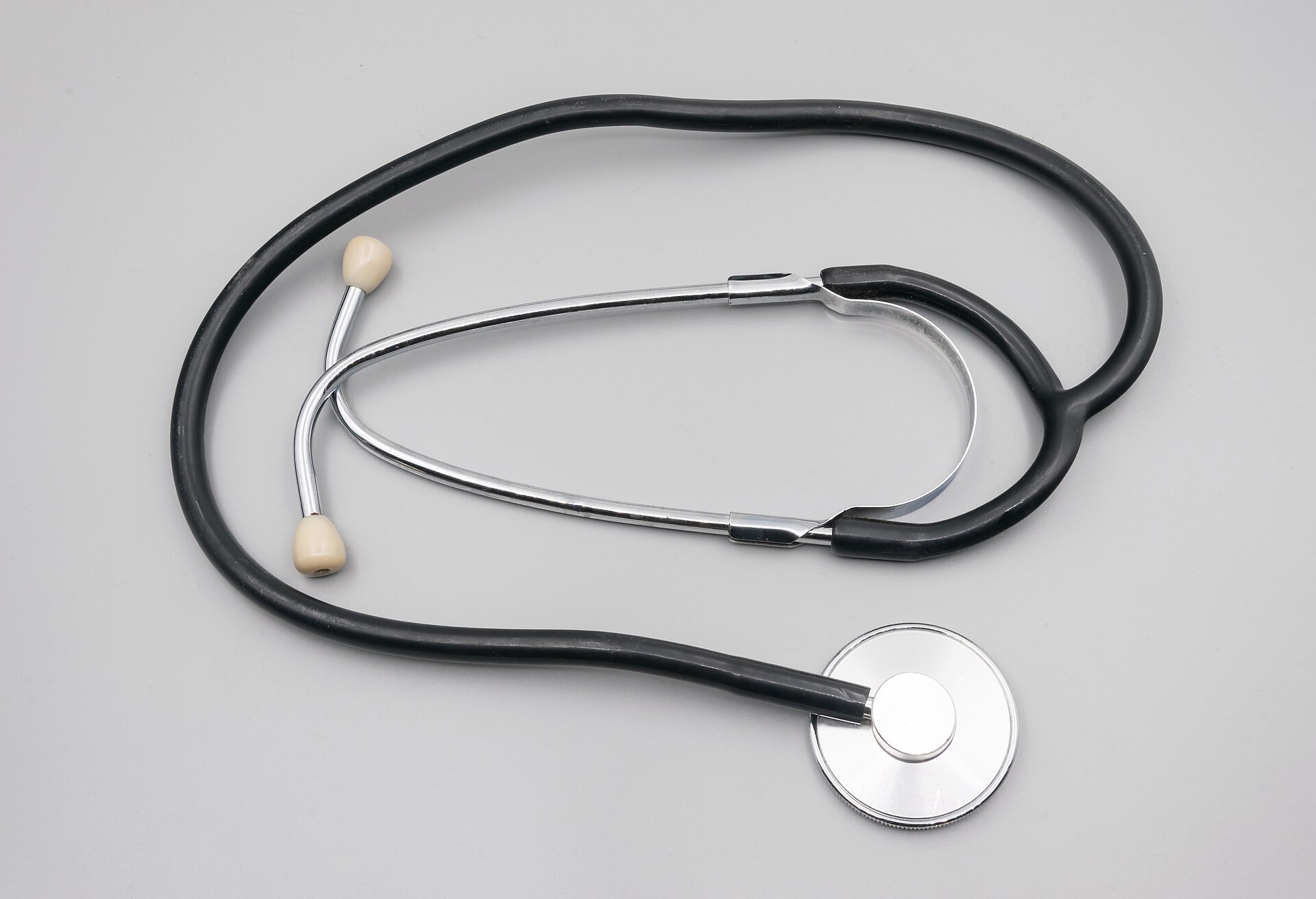
열이 의심되면 손으로 이마를 짚기보다 체온계로 정확히 재는 것이 먼저입니다. 어린 아기일수록 직장 체온이 가장 정확하다고 알려져 있고, 측정이 어렵다면 겨드랑이나 이마용 체온계로 재되 같은 방법으로 꾸준히 재서 변화를 비교하는 것이 좋습니다. 최고 체온이 몇 도였는지, 몇 시간 간격으로 올랐는지, 해열제에 반응했는지를 기록해 두면 진료 때 원인을 찾는 데 큰 도움이 됩니다.
아래 중 하나라도 ‘그렇다’면, 체온 숫자와 상관없이 진료를 고려하세요.
- 생후 3개월이 안 됐는데 38도 이상으로 열이 나나요?
- 달래도 축 처지거나, 눈 맞춤이 평소 같지 않나요?
- 수유량이 평소의 절반 아래로 떨어졌나요?
- 기저귀가 반나절 넘게 거의 젖지 않았나요?
- 숨이 가쁘거나 갈비뼈 사이가 들어가 보이나요?
- 누르면 사라지지 않는 붉은 반점이 보이나요?
해열제를 쓸 때는 종류와 용량이 중요합니다. 아세트아미노펜 계열은 보통 월령에 큰 제한 없이 쓸 수 있지만, 몸무게에 맞춰 1회 10~15mg/kg을 4~6시간 간격으로, 하루 정해진 횟수를 넘기지 않아야 합니다. 이부프로펜 계열 해열제는 생후 6개월 이전 아기에게는 권하지 않으며, 아세트아미노펜도 몸무게에 맞춘 용량과 간격을 지키는 것이 안전합니다. 특히 생후 3개월 미만이라면 자가 판단으로 해열제를 먹이기보다 먼저 진료를 받는 것이 바람직합니다. 미지근한 물로 몸을 닦아 주는 것은 보조적으로 도움이 될 수 있지만, 찬물이나 알코올로 닦는 방법은 권하지 않습니다.
한밤중 아기가 열이 날 때 당황하지 않으려면, 평소에 아기용 체온계를 하나 준비해 두고 사용법을 익혀 두는 것이 좋습니다. 월령과 사용 환경에 맞는 제품을 살펴보세요.
이 포스팅은 쿠팡 파트너스 활동의 일환으로, 이에 따른 일정액의 수수료가 제공될 수 있습니다.
열성경련, 눈앞에서 일어나면 어떻게 하나요?
아기가 열이 오르는 중에 갑자기 몸이 뻣뻣해지고 팔다리를 떨며 눈이 돌아가는 모습을 보면, 세상이 멈춘 것처럼 놀라게 됩니다. 이것이 열성경련입니다. 열성경련은 정상적으로 자라는 아이 100명 중 약 3~5명에게 나타나며, 대부분 5분 안에 저절로 멈추고 후유증을 남기지 않습니다. 생후 6개월에서 다섯 살 사이에 주로 나타나고, 대개 열이 오르기 시작한 하루 이틀 안에 생깁니다.
경련이 일어나면 당황스럽지만, 먼저 아기를 평평하고 안전한 곳에 옆으로 눕혀 토한 것이 기도를 막지 않게 해 주세요. 입에 무언가를 물리거나 팔다리를 억지로 붙잡는 것은 오히려 위험합니다. 경련이 얼마나 지속되는지 시간을 재고, 가능하면 영상으로 남겨 두면 진료에 도움이 됩니다. 다만 경련이 5분 넘게 이어지거나, 하루에 두 번 이상 반복되거나, 몸의 한쪽만 떨거나, 경련 후에도 의식이 잘 돌아오지 않는다면 즉시 119나 응급실로 가야 합니다. 생후 6개월 미만에서 경련이 나타난 경우에도 반드시 진료가 필요합니다.
평소에 감염을 줄이는 작은 습관
어린 아기의 발열은 대부분 감염에서 비롯되기 때문에, 감염 자체를 줄이는 평소 습관이 가장 좋은 예방입니다. 가장 기본은 손 위생입니다. 아기를 안거나 수유하기 전, 기저귀를 간 뒤에는 손을 깨끗이 씻는 것만으로도 전해지는 감염을 크게 줄일 수 있습니다. 감기 기운이 있는 사람과의 접촉, 특히 사람이 많은 곳에 아주 어린 아기를 데리고 가는 것은 당분간 피하는 편이 좋습니다.
예방접종을 일정에 맞춰 챙기는 것도 중요한 보호막입니다. 폐렴구균, b형 헤모필루스 인플루엔자 같은 백신은 아기에게 위험한 세균 감염을 예방하는 데 큰 역할을 합니다. 모유 수유는 아기에게 면역 성분을 전해 주어 감염 방어에 도움이 된다고 알려져 있으니, 가능한 범위에서 이어가는 것도 좋은 선택입니다. 집안 공기를 적절한 습도로 유지하고, 간접흡연에 노출되지 않게 하는 것 역시 호흡기 감염을 줄이는 데 보탬이 됩니다.
자주 묻는 질문
아기 이마가 뜨거운데 체온계는 38도가 안 돼요. 괜찮을까요?
손으로 느끼는 체온은 부정확할 때가 많습니다. 체온계로 쟀을 때 38도가 안 되고 아기가 잘 먹고 잘 논다면 대체로 지켜봐도 됩니다. 다만 생후 3개월 미만이라면 애매한 미열이라도 상태 변화를 더 자주 확인하고, 처지거나 수유가 줄면 진료를 받는 것이 안전합니다.
열이 높을수록 더 위험한 병인가요?
반드시 그렇지는 않습니다. 열의 높이와 병의 심각성이 항상 비례하지는 않습니다. 39도라도 가벼운 바이러스 감염일 수 있고, 38도 초반이라도 어린 아기에게는 중한 감염일 수 있습니다. 숫자보다 아기의 전반적인 상태를 함께 보는 것이 더 중요합니다.
해열제를 먹였는데 열이 안 떨어져요. 더 먹여도 되나요?
정해진 용량과 간격을 넘겨 먹이는 것은 위험합니다. 해열제는 열을 조금 낮춰 아기를 편하게 해 줄 뿐 원인을 치료하지는 않습니다. 용량대로 먹였는데도 아기가 계속 처지거나 힘들어하면, 약을 더 먹이기보다 진료를 받아 원인을 확인하는 것이 맞습니다.
예방접종 후에 열이 나는 것도 응급인가요?
접종 후 하루 이틀 가벼운 열은 흔한 반응일 수 있습니다. 다만 생후 3개월 미만이거나, 열이 높고 오래가거나, 처짐·경련·호흡 곤란 같은 신호가 함께 보이면 접종 반응으로만 넘기지 말고 진료를 받아야 합니다. 걱정될 때는 접종한 병원에 먼저 문의하는 것도 좋은 방법입니다.
이 글은 일반적인 건강 정보 제공을 목적으로 하며, 개인의 진단·치료를 대신할 수 없습니다. 증상이 있거나 우려되는 경우 반드시 의료 전문가와 상담하시기 바랍니다.
참고 자료
- American Academy of Pediatrics (HealthyChildren.org), “Fever and Your Baby”
- Nationwide Children’s Hospital, “Fever in a Newborn Baby”
- nidirect (UK public health), “Fever in children”
- PMC (NIH), 생후 90일 미만 발열 영아의 중증 세균감염 코호트 연구
- 코메디닷컴, “아이 열날 때 병원 가야 하는 경우” (고려대 구로병원 소아청소년과 자문)
- 서울경제, “생후 3개월 미만 아기, 38도 이상 열 나면 빨리 응급실로” (일산차병원 소아청소년과 자문)
100daywell : 3분 습관으로 30년 건강해지기