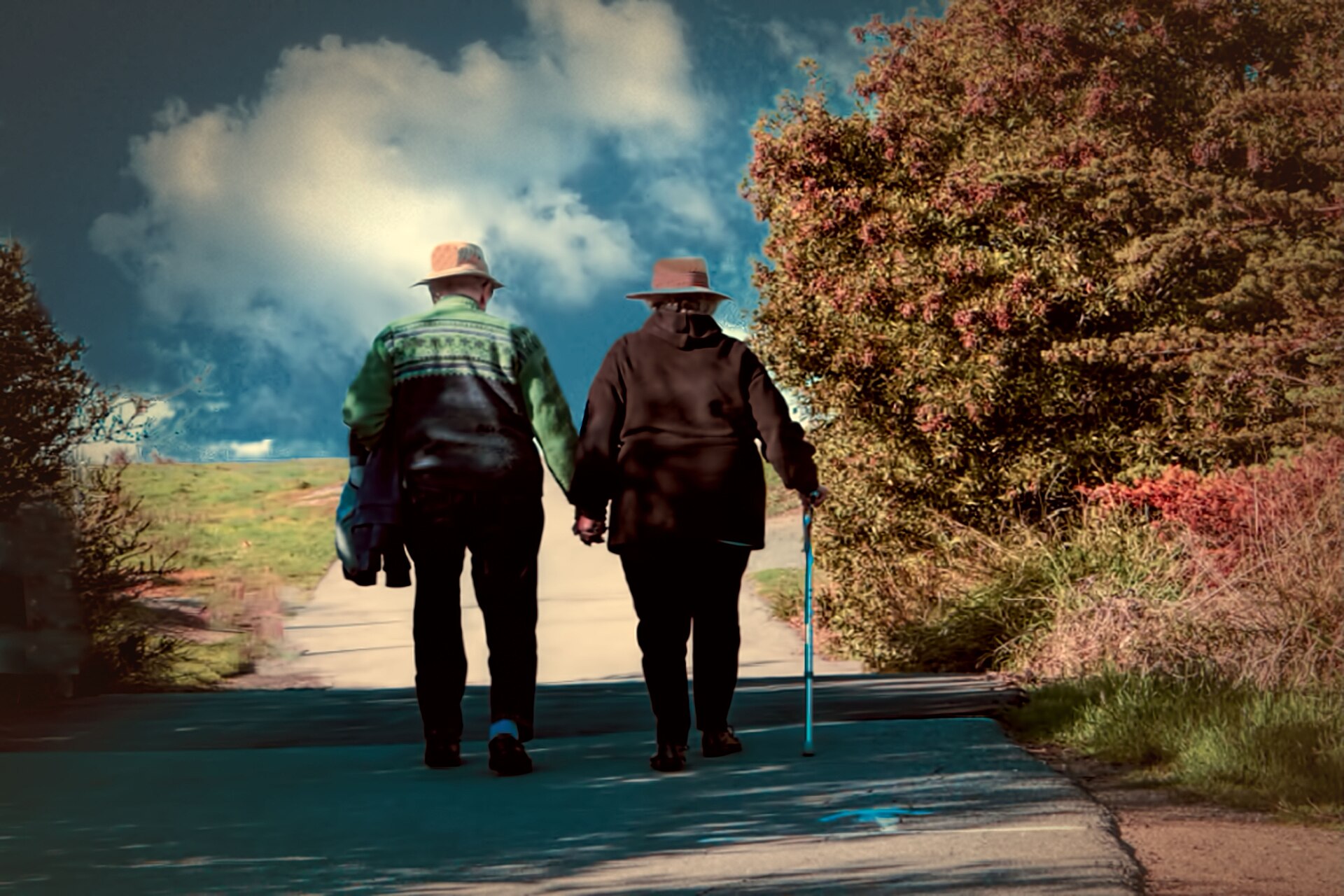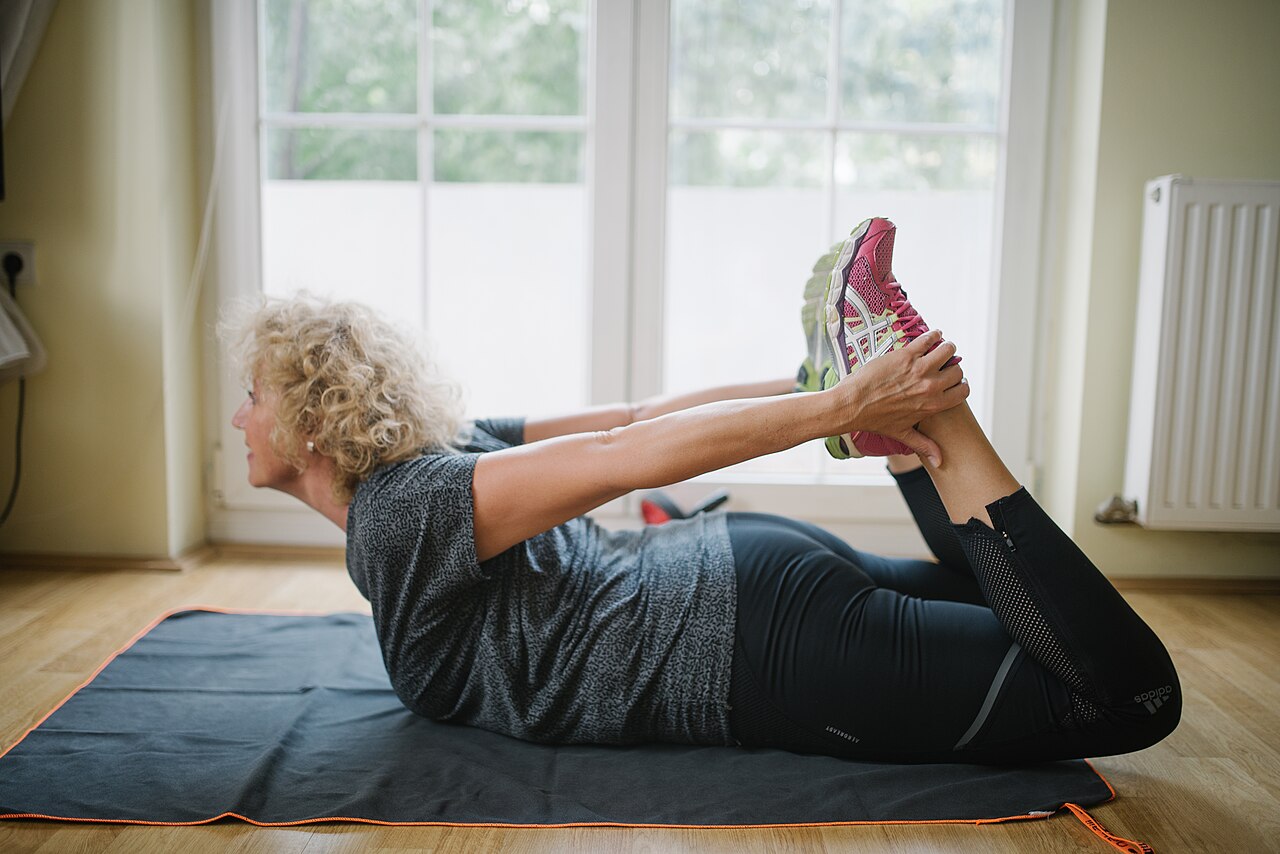
“미끄러워서 넘어졌다”는 말 뒤에는, 사실 몇 주 전부터 몸이 보내던 작은 신호가 숨어 있는 경우가 많습니다. 65세를 넘기면 같은 곳에서 넘어져도 결과가 훨씬 무거워지는데요, 다행히 낙상은 나이 탓으로만 돌릴 일이 아니라 미리 알아채고 손쓸 수 있는 부분이 생각보다 많습니다.
- 손상으로 입원하는 환자의 절반이 넘는 52.4%가 추락·낙상 때문이고, 75세 이후에는 낙상 후 사망 위험이 65~74세의 약 2배로 올라갑니다.
- 어지럼, 다리 힘 빠짐, 발 끌림처럼 몸이 먼저 보내는 신호가 있고, 이걸 알아채는 것이 예방의 시작입니다.
- 균형·근력 운동은 낙상을 24% 줄였고(근거 수준 높음), 집안 환경만 손봐도 최대 38%까지 줄었습니다.
- 비타민 D는 ‘꾸준히 적정량’일 때만 도움이 되며, 한 번에 몰아 먹는 방식은 오히려 해로울 수 있습니다.
- 반복해서 넘어지거나 넘어진 뒤 통증·거동 불편이 있다면, 혼자 참지 말고 병원 진료가 필요합니다.
낙상, 왜 65세 이후에 더 위험할까요?
젊을 때는 발을 헛디뎌도 손으로 짚거나 몸을 틀어 균형을 잡습니다. 그런데 나이가 들면 이 순간적인 반응이 조금씩 느려지고, 뼈와 근육도 약해져서 같은 넘어짐이 훨씬 큰 부상으로 이어집니다. 특히 엉덩이뼈(고관절) 골절은 한 번의 낙상으로 몇 달간 누워 지내게 만들고, 그 사이 근육과 체력이 빠르게 무너지는 악순환을 부르기 때문에 더 조심해야 합니다.
손상으로 입원한 환자 중 추락·낙상이 원인인 비율
출처: 질병관리청 국가손상정보포털·손상 발생 현황 통계(2024년 기준)
더 눈여겨볼 부분은 나이에 따른 차이입니다. 질병관리청 자료에 따르면 손상으로 입원한 환자의 절반이 넘는 52.4%가 추락·낙상 때문이었고, 75세 이후에는 낙상 후 사망 위험이 65~74세의 약 2배 수준으로 높아집니다. 같은 ‘넘어짐’이라도 나이가 들수록 회복이 더뎌지고 합병증 위험이 커진다는 뜻인데요, 그래서 예방의 가치가 그만큼 큽니다.
아래 그림을 보시면 나이에 따라 위험이 어떻게 달라지는지 한눈에 들어옵니다.
혹시 나도? 놓치기 쉬운 낙상 신호 6가지
낙상은 어느 날 갑자기 찾아오는 것처럼 보이지만, 사실 몸은 그 전부터 조용히 신호를 보냅니다. ‘나이 들면 다 그렇지’ 하고 넘기기 쉬운 변화들이 사실은 넘어짐을 예고하는 경우가 많은데요, 아래 항목을 편한 마음으로 하나씩 체크해 보실까요?
- 앉았다 일어설 때 눈앞이 핑 돌거나 캄캄해지는 느낌이 있나요?
- 예전보다 다리에 힘이 빠지고, 계단에서 난간을 꼭 잡게 되나요?
- 걸을 때 발이 바닥에 끌리거나 문턱·카펫에 자주 걸리시나요?
- 한 발로 서서 양말을 신기가 예전보다 어려워졌나요?
- 수면제, 혈압약, 신경안정제 등 여러 약을 함께 드시나요?
- 최근 1년 안에 한 번이라도 넘어지거나 넘어질 뻔한 적이 있나요?
3개 이상 해당된다면 지금부터 준비가 필요하고, 이미 넘어진 적이 있다면 병원에서 원인을 한번 확인해 보시길 권합니다.
여기서 특히 중요한 신호는 ‘이미 한 번 넘어진 경험’입니다. 한 번 넘어진 사람은 그렇지 않은 사람보다 다시 넘어질 가능성이 뚜렷하게 높기 때문에, 대수롭지 않게 여기지 말고 원인을 찾아보는 것이 좋습니다.
넘어지지 않는 몸 만들기, 근력과 균형
낙상을 막는 가장 확실한 방법은 의외로 단순합니다. 바로 ‘몸을 움직이는 것’인데요, 그중에서도 다리 힘을 기르는 근력 운동과 중심을 잡는 균형 운동이 핵심입니다. 근거도 탄탄합니다.
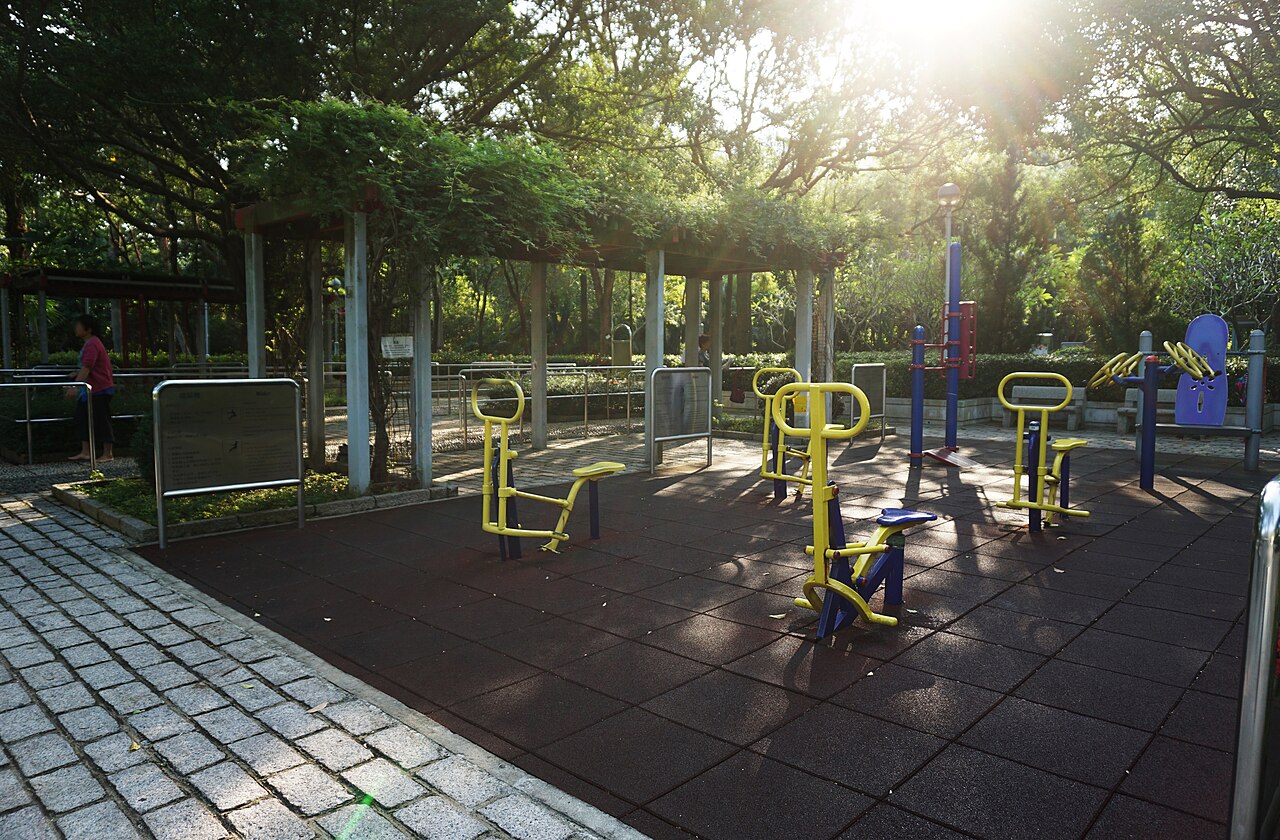
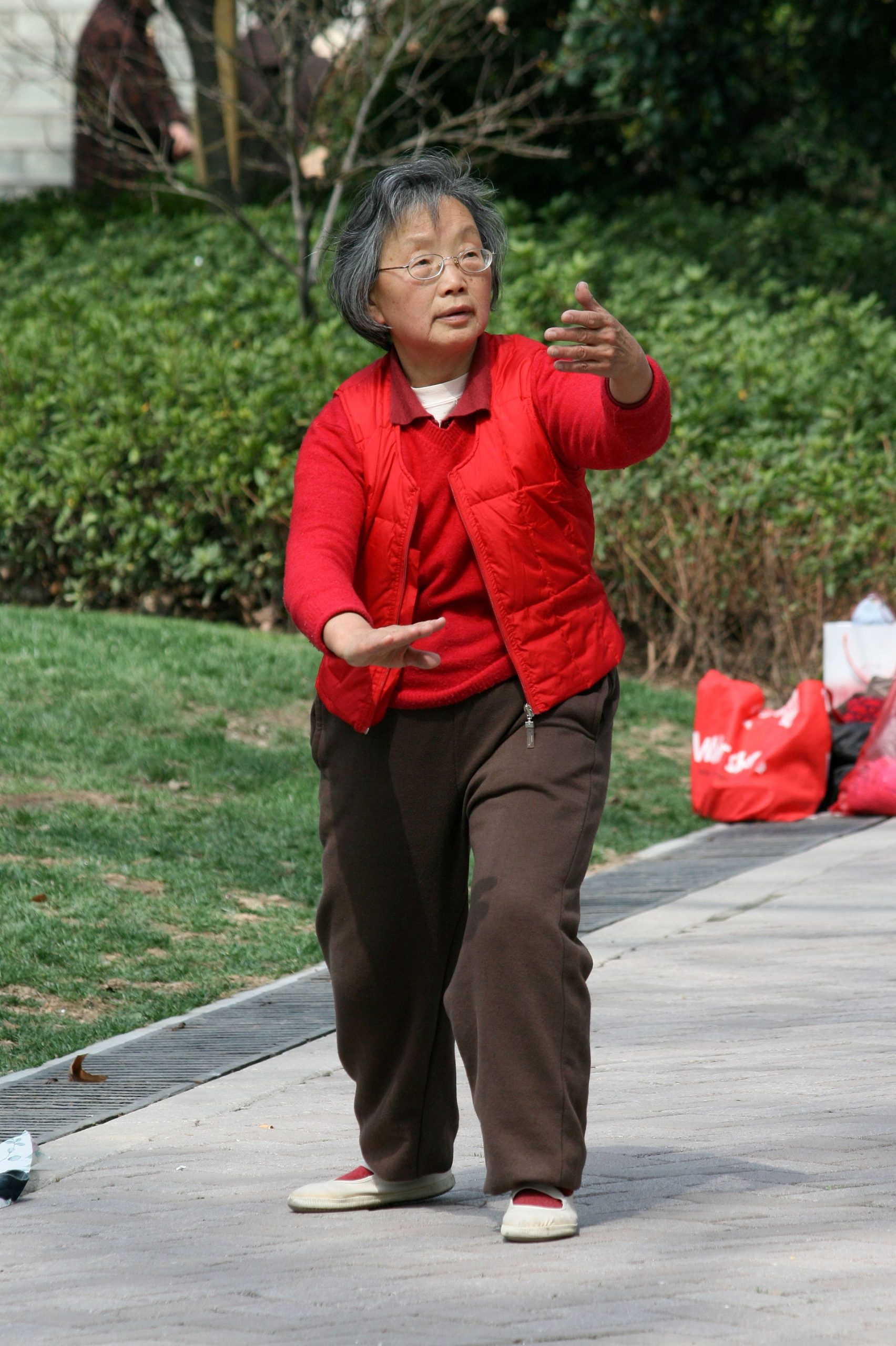
108건의 무작위 대조연구 23,407명을 분석한 코크란 리뷰에서, 균형·근력 운동은 낙상 발생률을 24% 낮췄고(RaR 0.76) 이는 근거 수준이 높은 결과였습니다. 태극권처럼 천천히 중심을 옮기는 운동도 낙상을 약 19% 줄이는 것으로 나타났는데요, 다만 이 부분은 연구마다 편차가 있어 근거 수준은 조금 낮은 편입니다. 그래도 ‘움직이는 것이 도움이 된다’는 방향만큼은 분명합니다.
어렵게 생각하실 필요 없습니다. 하루 3분이면 시작할 수 있는 습관을 소개해 드릴게요.
- 의자에서 일어섰다 앉기: 팔짱을 끼고 의자에서 천천히 일어섰다 앉기를 10회. 허벅지 힘을 기르는 가장 쉬운 운동입니다.
- 싱크대 잡고 한 발 서기: 넘어지지 않게 싱크대나 튼튼한 가구를 한 손으로 잡고, 한 발로 10~20초씩 번갈아 서기.
- 발뒤꿈치 들기: 벽을 가볍게 짚고 발뒤꿈치를 들었다 내리기 15회. 종아리 힘과 발목 안정성에 좋습니다.
처음에는 꼭 붙잡을 것이 있는 곳에서, 무리하지 않는 선에서 시작하세요. 익숙해지면 잡는 손을 살짝 떼는 식으로 조금씩 난도를 올리면 됩니다.
왜 나이가 들수록 더 잘 넘어질까요?
원인을 알면 대비도 쉬워집니다. 나이가 들며 넘어짐이 늘어나는 데는 몇 가지 겹치는 이유가 있는데요, 하나씩 쉬운 말로 풀어 보겠습니다.
- 다리 힘이 줄어드는 근감소증(근육이 나이와 함께 줄어드는 현상): 허벅지와 엉덩이 근육이 약해지면 몸을 지탱하고 균형을 되찾는 힘이 떨어집니다.
- 균형 감각과 감각신경의 둔화: 발바닥 감각과 속귀의 평형 기능이 예전 같지 않아, 몸이 기울었을 때 알아채고 바로잡는 속도가 느려집니다.
- 시력 저하와 백내장: 문턱이나 바닥의 단차, 어두운 곳의 물건이 잘 안 보여 발을 헛딛기 쉬워집니다.
- 기립성 저혈압(앉았다 일어설 때 혈압이 뚝 떨어지는 현상): 순간적으로 어지럽고 눈앞이 캄캄해지며 휘청하게 됩니다.
- 여러 약의 동시 복용: 수면제, 신경안정제, 일부 혈압약은 졸음이나 어지럼을 일으켜 낙상 위험을 높일 수 있습니다.
이 원인들은 서로 얽혀 있어서, 한 가지만 손봐도 전체 위험이 함께 내려갑니다. 그래서 ‘완벽하게’가 아니라 ‘할 수 있는 것부터’ 시작하는 것이 중요합니다.
넘어짐은 나이 탓이 아니라, 대부분 미리 손쓸 수 있는 ‘신호’와 ‘환경’의 문제입니다.
우리 집 어디가 위험할까요? 방마다 점검
의외로 낙상의 상당수는 밖이 아니라 익숙한 ‘집 안’에서 일어납니다. 매일 다니는 공간이라 오히려 방심하기 쉬운데요, 다행히 집은 우리가 오늘 당장 바꿀 수 있는 곳이기도 합니다.
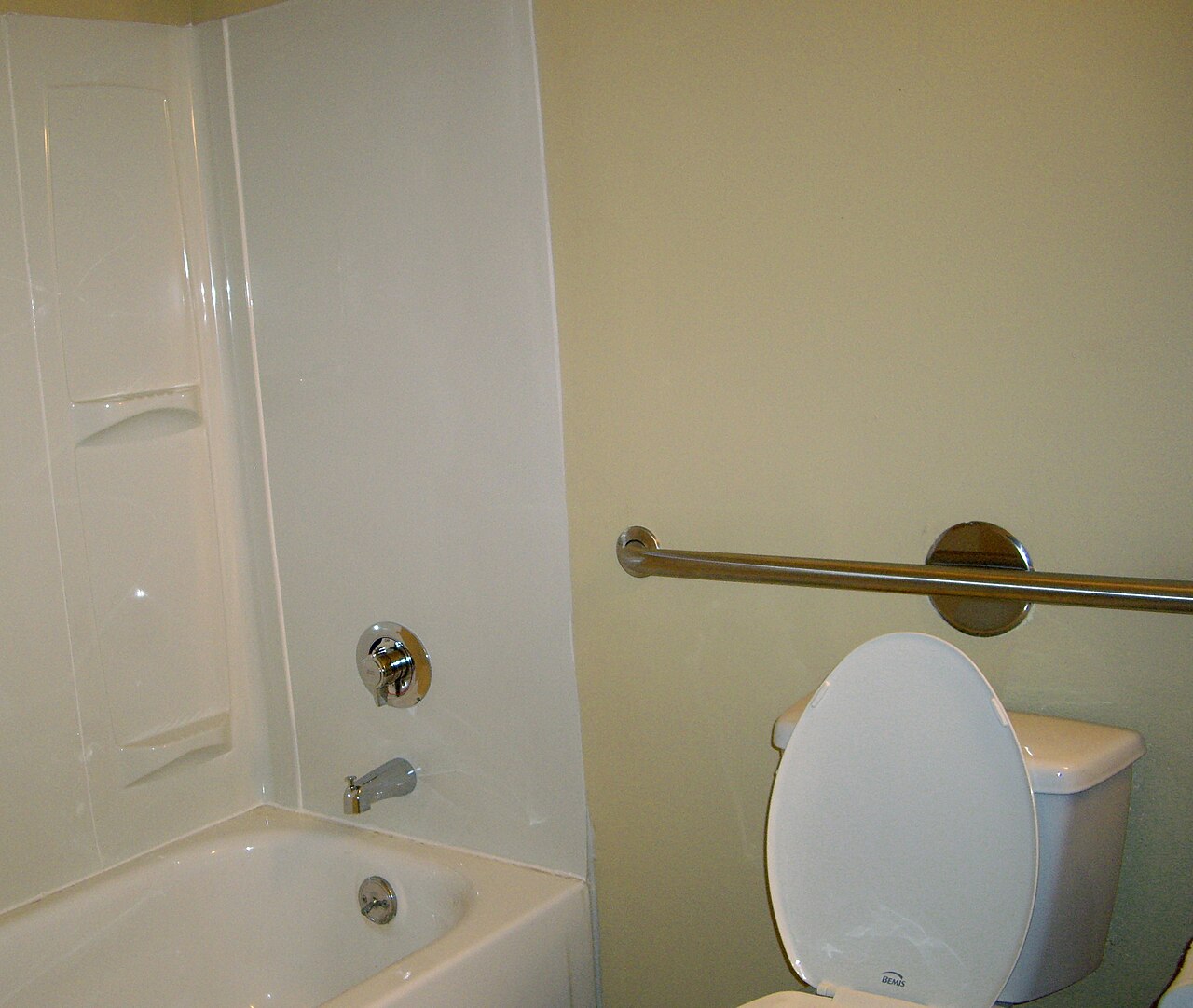
효과는 근거로도 확인됩니다. 집안의 걸림돌을 치우고 손잡이와 미끄럼 방지 장치를 더한 것만으로 낙상이 26% 줄었고, 이미 넘어진 적이 있는 고위험군에서는 38%까지 감소했습니다. 방마다 점검 포인트를 정리해 드릴게요.
- 욕실: 물기로 가장 미끄러운 곳입니다. 미끄럼 방지 매트를 깔고, 변기와 욕조 옆에 안전 손잡이를 다세요.
- 침실에서 화장실 가는 길: 밤에 어둡습니다. 발밑을 비추는 센서 야간등을 두면 헛딛는 일이 크게 줄어듭니다.
- 거실·복도: 걸려 넘어지기 쉬운 전선, 미끄러지는 러그, 널브러진 물건을 치우세요.
- 주방: 자주 쓰는 물건은 발판 없이 손이 닿는 높이에 두어, 까치발을 서지 않게 합니다.
- 계단: 양쪽 난간과 미끄럼 방지 스트립, 그리고 밝은 조명이 기본입니다.
미끄럼 방지 매트, 욕실·화장실 안전 손잡이, 센서 야간등은 큰돈을 들이지 않고도 오늘 바로 시작할 수 있는 대비입니다. 필요하신 분은 아래에서 종류별로 살펴보세요.
이 포스팅은 쿠팡 파트너스 활동의 일환으로, 이에 따른 일정액의 수수료가 제공될 수 있습니다.
무엇이 정말 효과가 있을까요? 정직한 비교
인터넷에는 낙상 예방법이 넘쳐납니다. 그중 무엇이 실제로 근거가 탄탄하고, 무엇은 기대만큼은 아닌지 솔직하게 정리해 보았습니다. 아래 표를 참고하시면 우선순위를 정하기 쉬우실 거예요.
| 방법 | 기대 효과 | 근거 수준 | 이런 분께 |
|---|---|---|---|
| 균형·근력 운동 | 낙상 약 24% 감소 | 높음 | 모두에게 가장 먼저 권장 |
| 집안 환경 개선 | 26% 감소 (고위험군 38%) |
높음(고위험군) | 넘어진 적 있는 분 |
| 비타민 D(꾸준히 적정량) | 약 15% 감소 | 중간 (결핍 시 뚜렷) |
비타민 D가 부족한 분 |
| 복용 약 점검 | 어지럼·졸음 유발 약 조정 | 중간 | 약을 여러 개 드시는 분 |
| 시력 교정 | 단차·장애물 인식 개선 | 보조적 | 백내장·노안이 있는 분 |
표에서 보시듯, 가장 확실한 두 축은 ‘운동’과 ‘집안 환경 개선’입니다. 아래 그림으로 다시 한번 정리해 볼게요.
비타민 D와 영양, 뼈와 균형을 함께
운동과 집안 환경 다음으로 챙기면 좋은 것이 영양입니다. 특히 비타민 D는 뼈 건강뿐 아니라 근육과 균형에도 관여하는데요, 다만 여기에는 꼭 알아 두셔야 할 ‘정직한 사실’이 있습니다.
비타민 D는 하루 800~1000IU를 꾸준히 복용할 때 낙상이 약 15% 줄었지만(RR 0.85), 한 번에 많은 양을 몰아 먹는 방식은 효과가 없거나 오히려 낙상을 늘릴 수 있습니다. 즉 ‘많이’가 아니라 ‘적정량을 꾸준히’가 핵심입니다. 특히 혈중 비타민 D가 부족한 분에게서 효과가 더 뚜렷하게 나타났습니다.
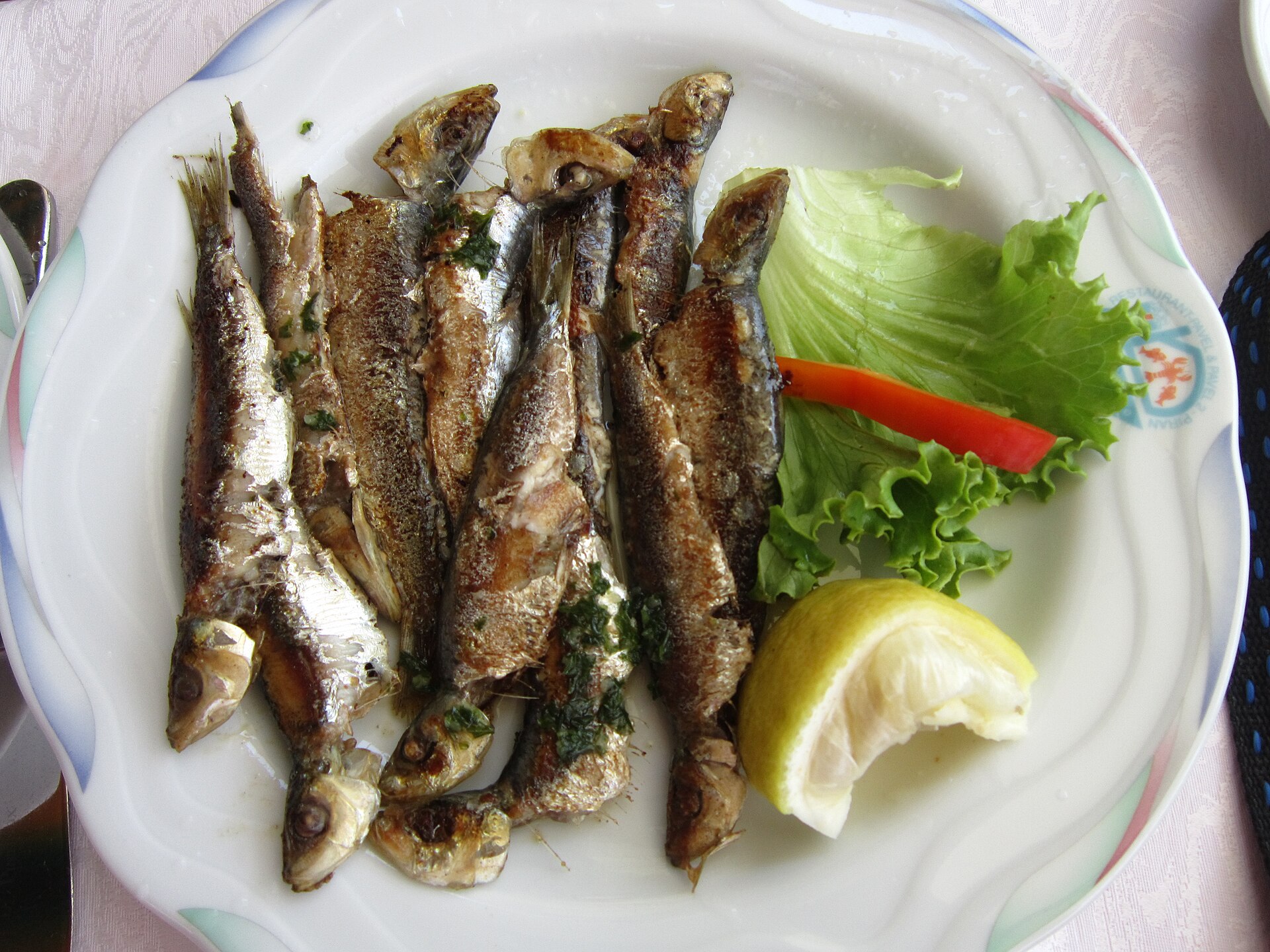
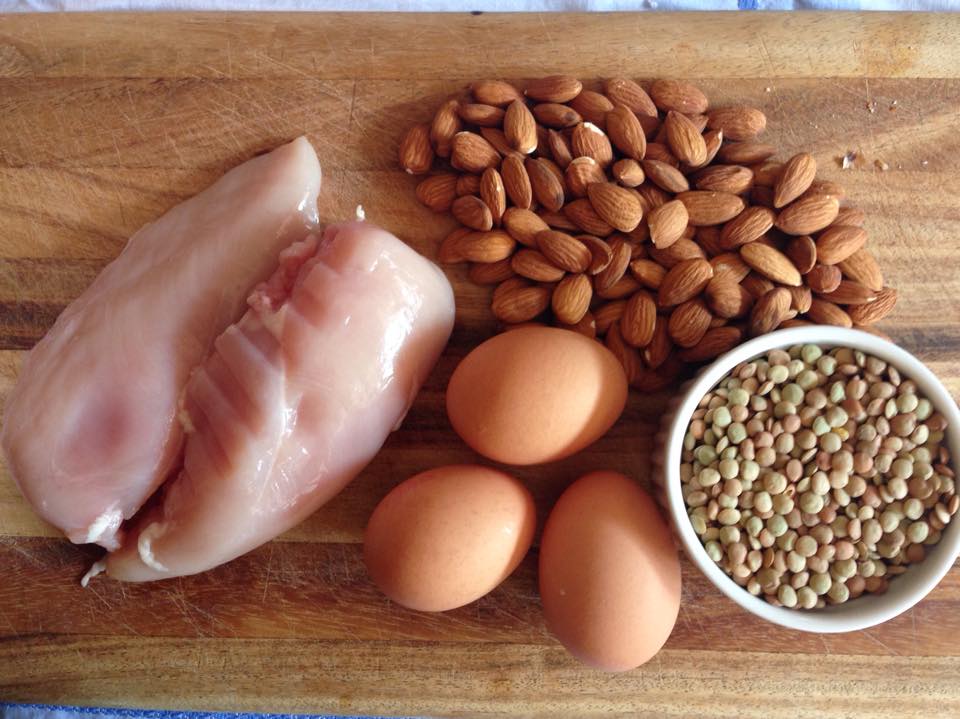
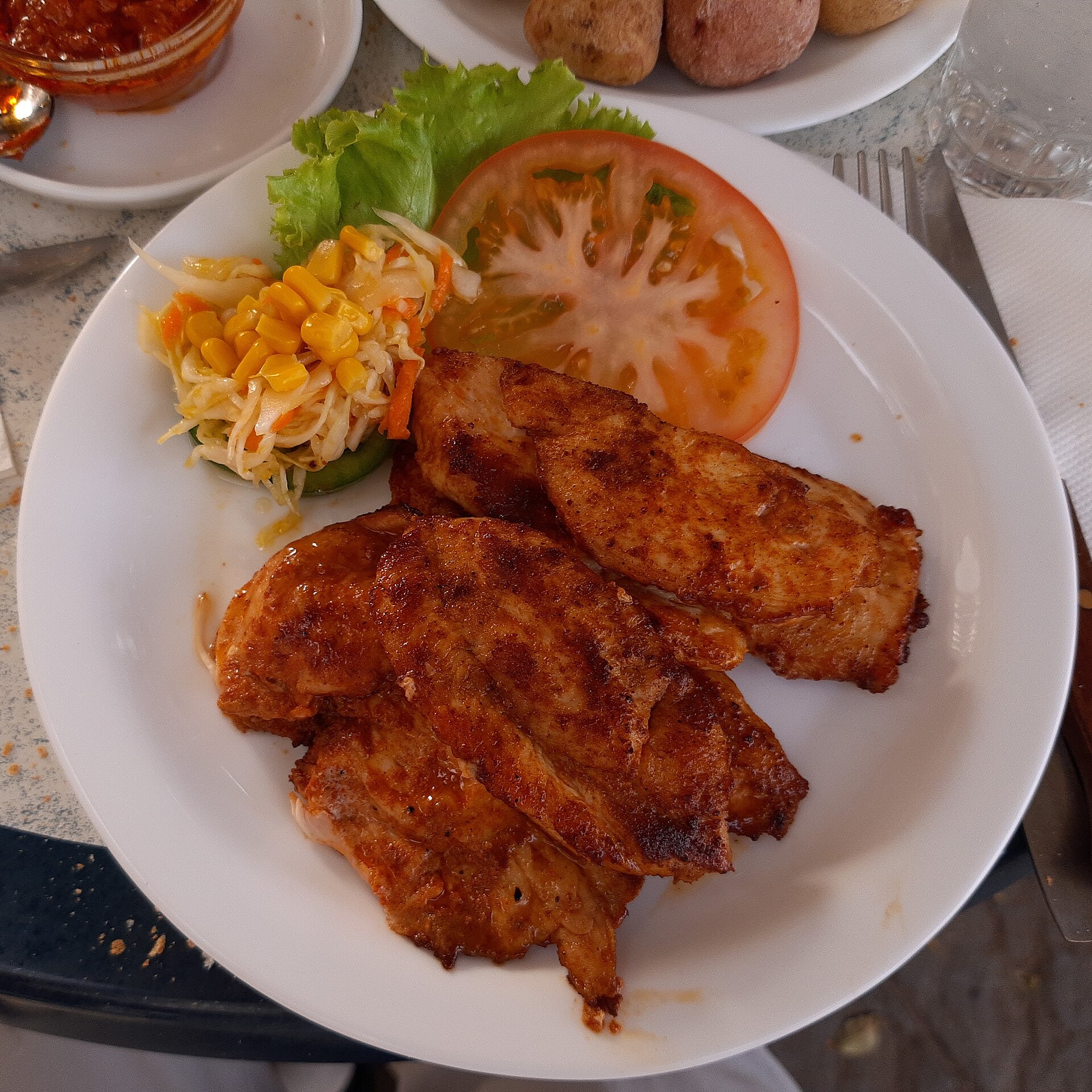
그래서 무작정 고용량 영양제를 드시기보다, 본인의 비타민 D 상태를 한번 확인하고 적정량을 정하는 편이 안전합니다. 여기에 단백질을 충분히 드시는 것도 근육 유지에 중요한데요, 매 끼니에 살코기·생선·두부·달걀·콩 같은 단백질 반찬을 한 가지씩 곁들이는 습관을 권합니다.
이럴 땐 꼭 병원에 가보세요
지금까지의 방법은 스스로 실천할 수 있는 예방입니다. 하지만 아래에 해당한다면, 혼자 해결하려 하지 마시고 전문가의 도움을 받는 것이 안전합니다.
- 최근에 넘어진 뒤 통증이 가시지 않거나, 걷거나 몸을 움직이기가 불편할 때
- 넘어지면서 머리를 부딪혔을 때(특히 혈액을 묽게 하는 항응고제를 드시는 경우 즉시 진료)
- 이유 없이 반복해서 넘어지거나, 넘어질 때 잠깐 정신을 잃은 적이 있을 때
- 일어설 때마다 심하게 어지럽고 눈앞이 캄캄해질 때(기립성 저혈압이나 부정맥 확인 필요)
- 수면제·신경안정제 등 여러 약을 드시는데 어지럼·졸음이 심할 때(약 조정 상담)
또 한 가지, 비타민 D 같은 영양제도 무조건 많이 드시는 것은 권하지 않습니다. 과다 복용은 오히려 몸에 부담이 될 수 있으니, 정해진 상한을 넘지 않는 선에서 드시고 궁금한 점은 의료진과 상의하시는 것이 좋습니다. 파킨슨병, 뇌졸중 후유증, 심한 관절염처럼 균형에 직접 영향을 주는 질환이 있다면 더욱 맞춤 관리가 필요합니다.
자주 묻는 질문
운동을 하면 오히려 넘어질까 봐 걱정되는데, 그래도 하는 게 나을까요?
네, 안전하게만 시작하면 하는 편이 훨씬 낫습니다. 처음에는 싱크대나 튼튼한 가구를 붙잡고 하시고, 무리한 동작은 피하세요. 오히려 움직이지 않아 근육이 더 약해지는 것이 장기적으로 더 위험합니다. 불안하시면 처음 몇 번은 가족이 곁에서 봐 주는 것도 좋은 방법이에요.
지팡이나 보행보조기를 쓰면 더 약해지지 않을까요?
필요할 때 알맞게 쓰는 보조기구는 약해지게 만드는 것이 아니라, 안전하게 더 많이 움직이도록 도와줍니다. 다만 몸에 맞지 않는 높이나 종류는 오히려 불편할 수 있으니, 처음 사용할 때는 전문가에게 맞는 높이와 사용법을 한번 확인받으시길 권합니다.
한 번도 넘어진 적이 없는데도 미리 대비해야 할까요?
그렇습니다. 특히 65세를 넘겼다면, 아직 넘어진 적이 없더라도 근력·균형 운동과 집안 환경 점검은 미리 해 두는 것이 좋습니다. 낙상은 첫 번째가 가장 큰 부상으로 이어지는 경우가 많아서, ‘넘어지기 전에’ 준비하는 것이 가장 효과적입니다.
비타민 D는 그냥 많이 먹으면 더 좋은 것 아닌가요?
아쉽지만 그렇지 않습니다. 연구에서는 하루 800~1000IU를 꾸준히 드실 때 도움이 되었고, 한꺼번에 많은 양을 몰아 드시는 방식은 효과가 없거나 오히려 낙상을 늘리기도 했습니다. ‘많이’보다 ‘적정량을 꾸준히’가 정답이며, 본인의 비타민 D 상태를 확인한 뒤 정하는 것이 가장 안전합니다.
이 글은 일반적인 건강 정보 제공을 목적으로 하며, 개인의 진단·치료를 대신할 수 없습니다. 증상이 있거나 우려되는 경우 반드시 의료 전문가와 상담하시기 바랍니다.
참고 자료
- 질병관리청 국가손상정보포털 — 노인손상 통계
- Cochrane — Exercise for preventing falls in older people living in the community (Sherrington, 2019)
- Cochrane — Reducing trip hazards and decluttering can prevent falls at home
- BMC Geriatrics — Vitamin D, calcium, or combined supplementation on fall prevention (network meta-analysis, 2024)
- Effects of exercise intervention on falls and balance function in older adults (systematic review & meta-analysis)
- World Health Organization — Falls (fact sheet)
- Mayo Clinic — Fall prevention: Simple tips to prevent falls
100daywell : 3분 습관으로 30년 건강해지기