
예전과 다른 컨디션이 신경 쓰인다
관리 우선순위를 정하고 싶다
We’ve all been there — gym membership bought in January, forgotten by March. 갱년기 근감소증 — 폐경 후 근육이 빠지는 4가지 호르몬 메커니즘과 한 달 단백질·저항운동 챌린지 (2026 임상 가이드)
The secret to lasting fitness isn’t intensity. It’s sustainability. And in 2026, one exercise has surged 2,986% in global search interest. No gym required. 갱년기 골다공증 — 폐경 후 5년이 평생 골밀도를 결정합니다 (2026 가이드)
No expensive gear. Just walking — with one small twist. Why Low-Intensity Training Suits Midlife Women: The 70% Rule of Elite Athletes

- Fast 3 minutes. Slow 3 minutes. That’s it.
- The Numbers Behind the Hype
- “Isn’t It Just… Walking?” — The Question Everyone Asks
- What People Who’ve Done It Actually Say
Fast 3 minutes. Slow 3 minutes. That’s it.
Interval Walking Training (IWT) was developed by researchers at Shinshu University in Japan in the 1990s:
Walk briskly for 3 minutes (until slightly out of breath) → Walk slowly for 3 minutes → Repeat 5 times = 30 minutes total
No equipment. No coach. Just comfortable shoes. walking shoes
The Numbers Behind the Hype
A 2024 review in Applied Physiology, Nutrition, and Metabolism concluded IWT consistently outperforms steady-pace walking for aerobic capacity, lower-limb strength, and cardiovascular markers.
A 2024 review in Applied Physiology, Nutrition, and Metabolism concluded IWT consistently outperforms steady-pace walking for aerobic capacity, lower-limb strength, and cardiovascular markers.
- Average systolic blood pressure drop of 9 mmHg
- Average diastolic blood pressure drop of 5 mmHg
- Significant improvements in VO2max
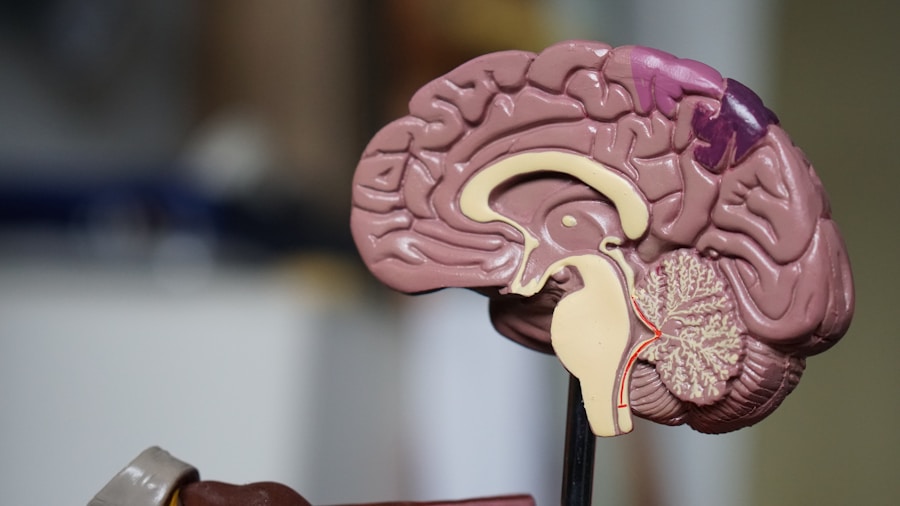
“Isn’t It Just… Walking?” — The Question Everyone Asks
The mechanism is in the interval. During the brisk 3 minutes, heart rate rises and cardiovascular demand increases. During the slow 3 minutes, recovery happens. Repeat this cycle and your heart becomes progressively more efficient.
| Japanese Interval Walking | Regular Jogging | |
|---|---|---|
| Joint impact | Low | High |
| Blood pressure improvement | Clinically proven (9 mmHg↓) | Effective but injury risk higher |
| Sustainability | Very high | High dropout rate early on |
| Best suited for | All ages, chronic conditions included | Generally healthy adults |
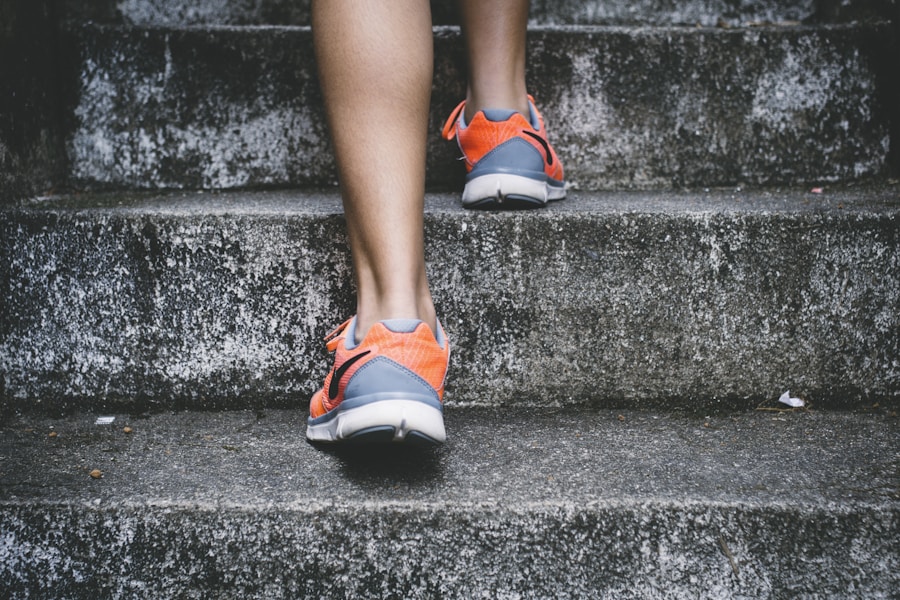
What People Who’ve Done It Actually Say
“Nothing noticeable for the first month. Stairs became easier in the second. By the third month, my blood pressure numbers had changed.”
IWT is popular not just because it works, but because it’s easy enough to keep doing. In fitness, that’s the only thing that ultimately matters.

How to Start — Right Now, Today
- Put on comfortable shoes
- Set a 3-minute timer
- Walk briskly (you can talk, but can’t comfortably sing)
- When the timer goes off, slow down and recover
- Repeat 5 times — done
Start with 3 rounds if 5 feels like too much. Give it five months, and your blood pressure numbers may tell a different story.

Today’s challenge: Try one session after work or during lunch. Research shows that marking it on a calendar more than doubles follow-through rates.
이 글은 일반적인 정보 제공을 목적으로 하며, 개인 맞춤 의료 상담을 대체하지 않습니다. 증상이 의심되거나 위험 요인이 있는 경우 산부인과·가정의학과·내분비내과 전문의와 상담하시길 권합니다.
Sources: Applied Physiology, Nutrition, and Metabolism (2024) / 2025 RCT Diabetes Study / ACSM Fitness Trends 2026
This post contains Coupang Partners affiliate links. We may earn a commission on qualifying purchases.
50~60대 여성용 갱년기 종합 영양제를 1회분 함량 기준으로 정리한 페이지로 이동합니다.
50~60대 여성용 갱년기 종합 영양제를 1회분 함량 기준으로 정리한 페이지로 이동합니다.
Coupang Partners 활동의 일환으로 일정액의 수수료가 제공될 수 있습니다.
More from the Korean Wellness Series
Korean dietary, beauty, and traditional medicine approaches to midlife and menopause health.