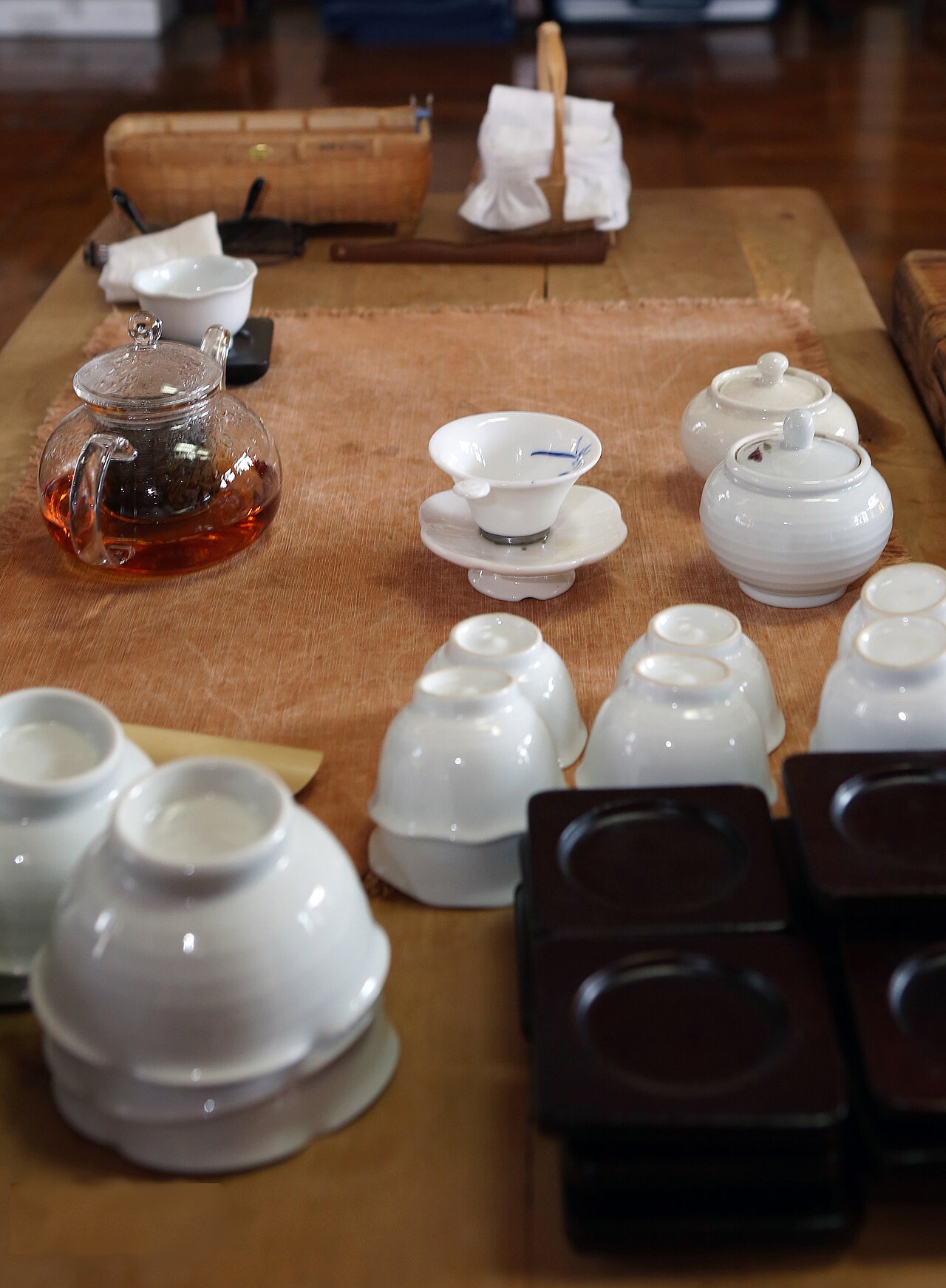
If your nights run hot and your mind refuses to slow down, the answer may not be another supplement but a ritual. Korea’s traditional tea ceremony, known as dado or darye (“the way of tea”), pairs unhurried, deliberate movements with a cup of green tea. For women moving through menopause, that combination of mindfulness and catechins is a surprisingly good match for what the science says actually helps.
30-Second Key Takeaway
- The Korean tea ceremony combines two evidence-backed tools for menopause: structured mindfulness and green tea.
- Mindfulness-based programs reduce the bother of hot flashes and improve sleep, even when flash frequency stays similar.
- Green tea catechins, led by EGCG, modestly lower total and LDL cholesterol, with the strongest effect seen in postmenopausal women.
- L-theanine, the calming amino acid in tea, lowers cortisol reactivity and shortens the time it takes to fall asleep.
- Treat the ritual as a daily support habit, not a replacement for medical care or hormone therapy.
What Is the Korean Tea Ceremony (Dado)?
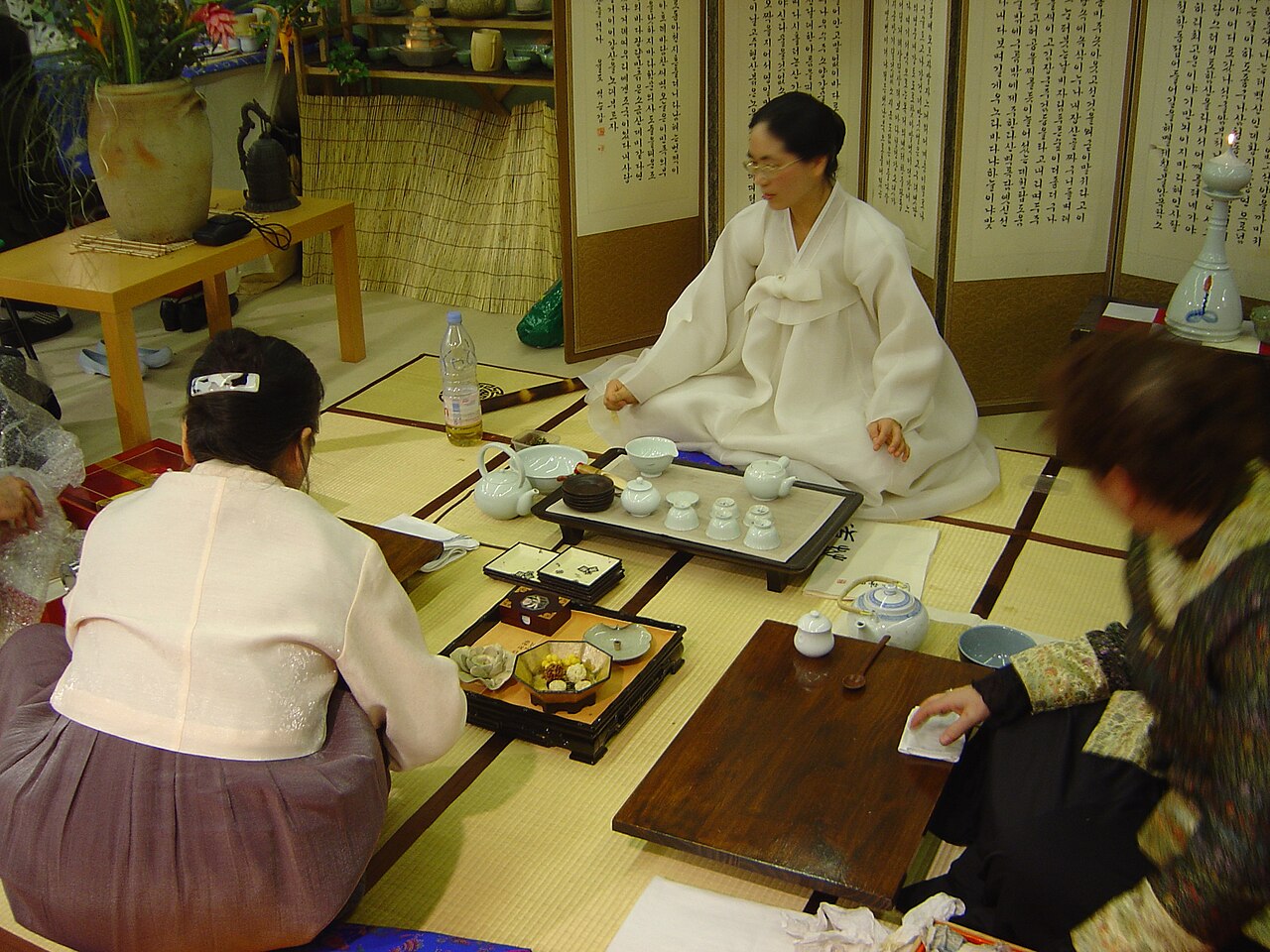
Dado, sometimes written darye, is Korea’s centuries-old practice of preparing and sharing tea with intention. Unlike a quick mug grabbed on the way out the door, the ceremony asks you to slow down: warm the pot, measure the leaves, watch the water cool, pour in a steady arc, and drink in quiet attention. Korean green tea from regions such as Boseong and Hadong is the traditional centerpiece, valued for its clean, grassy character and relatively gentle caffeine.
What makes the ritual relevant to health is not mysticism but structure. The ceremony is essentially a guided, multi-sensory mindfulness exercise built around a beverage that happens to contain bioactive compounds. That overlap is where modern menopause research enters the picture.
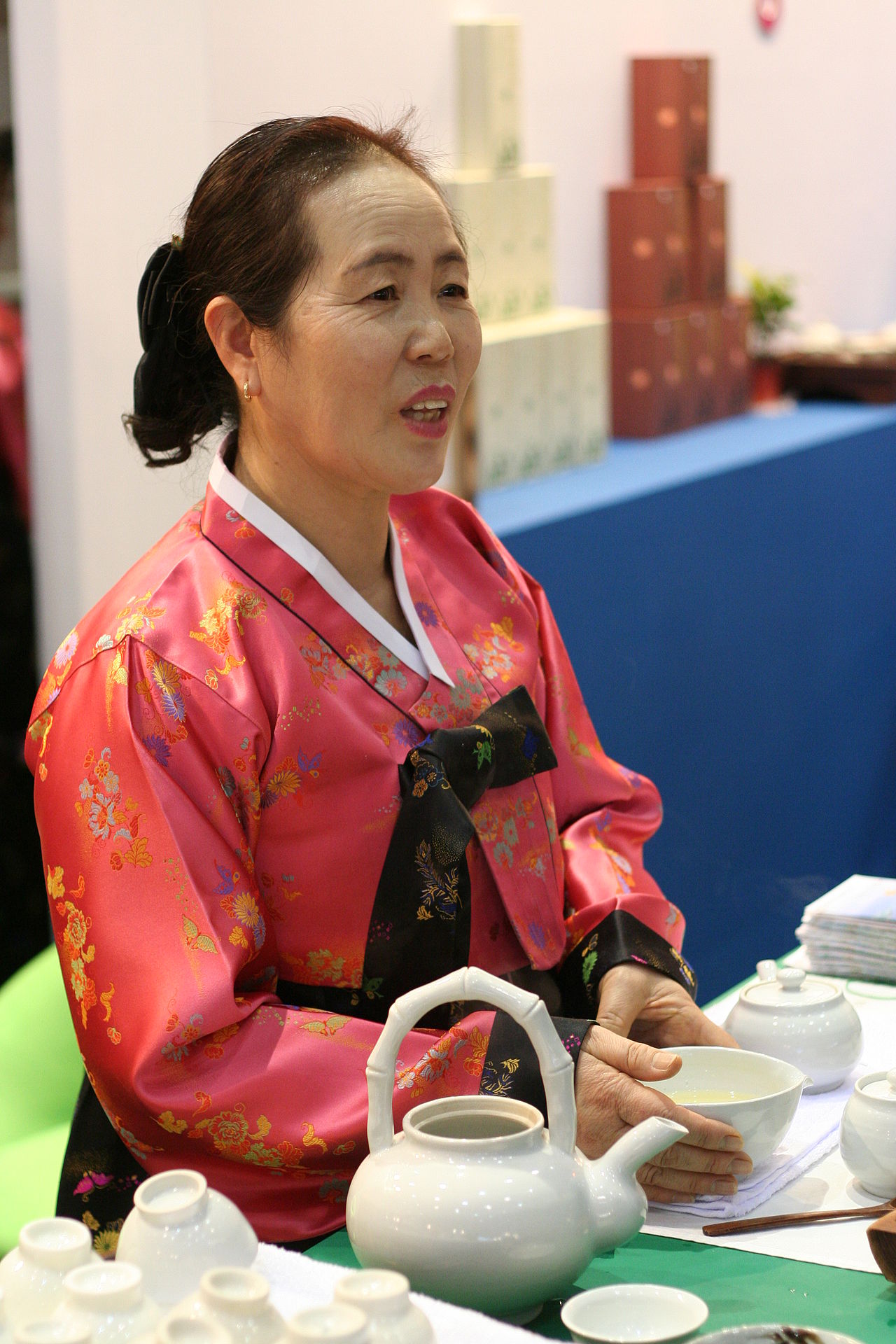
Why a Slow Ritual Fits the Menopause Transition
During perimenopause and the years that follow, estrogen decline reshapes the body’s stress and temperature systems. The hypothalamus becomes more sensitive to small temperature changes, narrowing the “thermoneutral zone” and triggering the sudden heat, flushing, and sweating of a hot flash. At the same time, falling estrogen is linked to higher cardiovascular risk and a less favorable lipid profile, while disrupted sleep and heightened anxiety are among the most common complaints women report.
The stress loop that makes symptoms worse
Stress and vasomotor symptoms feed each other. A hot flash can spike anxiety, and anxiety can in turn lower the threshold for the next flash, especially at night when night sweats fragment sleep. A daily practice that reliably downshifts the nervous system targets exactly this loop, which is why a calming ritual is more than a pleasant indulgence.
The Mindfulness Evidence: Hot Flashes, Sleep, and Stress
Mindfulness-based stress reduction (MBSR) is the most studied mind-body approach for menopausal symptoms, and the tea ceremony is, in practice, a culturally specific form of the same skill: sustained, nonjudgmental attention to the present moment. In an 8-week randomized trial of 110 perimenopausal and early postmenopausal women, a mindfulness-based stress reduction program reduced hot-flash and night-sweat bother by 21.6 percent, compared with 10.5 percent in the wait-list control group. Notably, the frequency of flashes did not change much; what improved was how much they interfered with daily life, alongside meaningful gains in sleep quality, anxiety, and perceived stress.
What the research does and does not promise
This distinction matters. Mindfulness is not a way to make hot flashes disappear, but a way to loosen their grip on your mood and your nights. The North American Menopause Society recognizes mind-body therapies as a reasonable, low-risk option for women who prefer non-hormonal strategies or cannot take hormone therapy, while noting that more data are still needed. A daily tea ceremony is one accessible, enjoyable way to practice the skill without a class or an app.
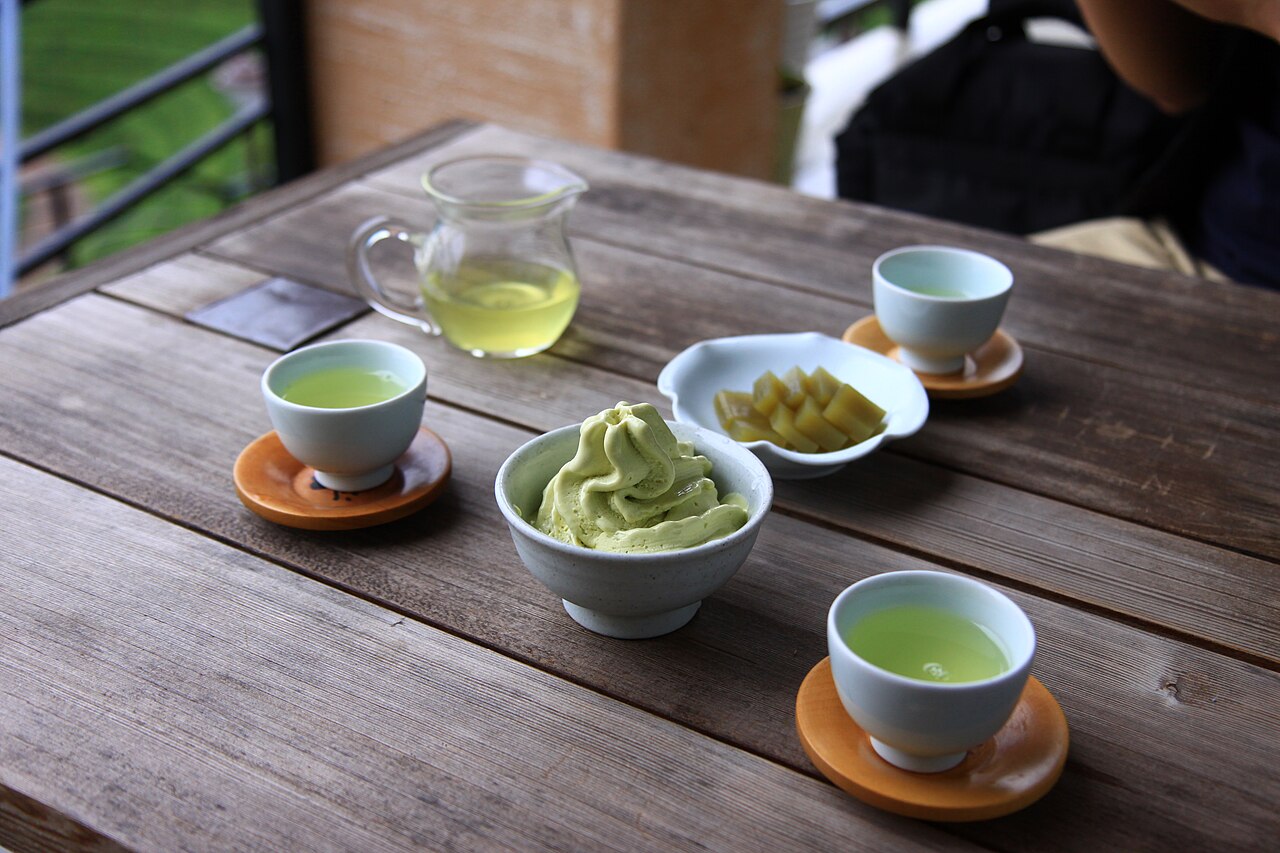
What Is in the Cup: Catechins, L-Theanine, and Cholesterol
The ritual calms the mind; the leaf works on the body. Green tea is rich in catechins, particularly epigallocatechin gallate (EGCG), and in L-theanine, an amino acid almost unique to the tea plant.
Catechins and your cholesterol
A meta-analysis of randomized trials found the largest cholesterol benefit in postmenopausal women, where green tea lowered total cholesterol by roughly 8.7 mg/dL because its main catechin, EGCG, inhibits the rate-limiting enzyme HMG-CoA reductase. A randomized, placebo-controlled trial of green tea catechin extract in postmenopausal women similarly reported reductions in LDL cholesterol. The effects are modest and most visible in women who start with elevated levels, so green tea complements rather than replaces diet, exercise, and any prescribed therapy.
L-theanine and the calm-alert state
In controlled trials, about 200 mg of L-theanine per day eased anxiety and shortened sleep latency, and a single dose blunted the salivary cortisol response to an acute stressor within three hours. L-theanine promotes a state often described as calm but alert, which dovetails neatly with the focused stillness the ceremony cultivates. The Minnesota Green Tea Trial gave 937 postmenopausal women 843 mg of EGCG daily for twelve months and improved body-fat measures, a reminder that tea is a supporting habit rather than a standalone treatment.
How to Build Your Own Daily Tea Ritual
You do not need a formal ceremony set or training to capture the benefits. The goal is to combine a few minutes of focused attention with a well-brewed cup.
A simple five-step routine
Choose a quiet window, ideally late afternoon rather than close to bedtime so caffeine does not disturb sleep. Heat water to about 70 to 80 degrees Celsius, since boiling water scorches green tea and turns it bitter. Pour slowly and watch the leaves unfurl, then take three slow breaths before the first sip. Drink without your phone, paying attention to warmth, aroma, and taste. Finish by noticing how your body feels, which trains the same attention muscle that mindfulness programs build.
Practical cautions
Keep total caffeine reasonable, especially if hot flashes or palpitations are triggered by stimulants, and prefer earlier in the day. If you take blood thinners, blood pressure medication, or have liver concerns, talk to your doctor before using concentrated green tea extract supplements, which carry risks that brewed tea does not.
When to See a Doctor
A tea ritual is a wellness habit, not a diagnosis or a cure. See a healthcare professional if hot flashes are severe enough to disrupt work or sleep most nights, if you have any vaginal bleeding after menopause, if you experience chest pain, palpitations, or shortness of breath, or if low mood, anxiety, or insomnia persist for weeks. These can signal conditions that need evaluation, and effective treatments, including hormone therapy for the right candidates, are available.
This article is for general education and is not medical advice. It should not replace consultation with a qualified healthcare provider. Do not start, stop, or change any treatment or supplement based on this content without professional guidance.
Frequently Asked Questions
Can the Korean tea ceremony actually reduce hot flashes?
Mindfulness-based practices, of which the ceremony is one form, tend to reduce how much hot flashes bother you and improve sleep more than they reduce the raw number of flashes. That is still a meaningful quality-of-life gain for many women.
How much green tea should I drink?
Most studies use the equivalent of a few cups a day. There is no need to chase high-dose extracts; brewed tea delivers catechins and L-theanine with a much better safety profile. Keep an eye on total caffeine if you are sensitive.
Is green tea safe with my medications?
Brewed tea is generally safe, but green tea can interact with blood thinners and some blood pressure drugs, and concentrated extracts have been linked to rare liver injury. Check with your doctor or pharmacist if you take regular medication.
Will tea at night ruin my sleep?
Green tea contains caffeine, so an afternoon ceremony is usually a better fit than a late-evening one. If you want an evening ritual, choose a caffeine-free Korean option such as barley tea and keep the same mindful routine.
Can this replace hormone therapy?
No. A tea ritual is a complementary, non-hormonal support. For moderate to severe symptoms, hormone therapy remains the most effective option for suitable candidates, and that decision belongs with your clinician.
Authority Sources (Peer-reviewed and Clinical)
- PubMed — Mindfulness training for coping with hot flashes: a randomized trial.
- Nature (Scientific Reports) — MBSR vs psychoeducation for menopausal symptoms RCT.
- PubMed — Green tea catechin extract and serum lipids in postmenopausal women RCT.
- PubMed — L-theanine on stress-related symptoms and cognition RCT.
- The Menopause Society (NAMS) — Non-hormonal and mind-body approaches to symptoms.
- Mayo Clinic — Green tea, caffeine, and health considerations.
- Kimchi and fermented foods for the menopausal gut
- Doenjang, soy isoflavones, and midlife health
- Jjimjilbang heat therapy and hot-flash resilience
- Korean sweet potato (goguma), fiber, and blood sugar