Belly fat after 50 is not a willpower problem — it is a hormone-and-insulin problem. As estradiol declines, fat storage migrates from hips and thighs to the abdomen, and the same lunch that kept you lean at 40 can now park itself around the waistline. Two evidence-backed dietary patterns dominate the conversation for women in this window: the Mediterranean diet, with its rich randomized-trial pedigree, and the Korean diet (한식), traditionally low in saturated fat, high in fermented vegetables, and — in its low-carb adaptation — increasingly studied for visceral adiposity. Which one wins for menopausal belly fat?
The Hormonal Engine Behind Menopausal Belly Fat
The classic narrative — “eat less, move more” — explains roughly half of menopausal weight gain at best. The other half is endocrinology. As ovarian estradiol production falls, three things shift in parallel: visceral adipose tissue becomes the body’s new estrogen factory (via aromatase), insulin sensitivity declines, and cortisol’s diurnal rhythm flattens. The result is a metabolic environment that preferentially stores energy as deep abdominal fat.

Why visceral fat behaves differently than subcutaneous fat
Visceral adipose tissue is more metabolically active than the soft layer under the skin. It secretes pro-inflammatory cytokines (IL-6, TNF-alpha) and drives hepatic insulin resistance. According to the North American Menopause Society, a 5 cm rise in waist circumference during the menopausal transition is associated with a meaningfully higher risk of cardiometabolic disease, independent of total body weight.
The insulin-and-cortisol axis
A 2020 prospective cohort published in the BMJ showed that postmenopausal women with higher fasting insulin had nearly double the rate of visceral fat accumulation over four years compared with their insulin-sensitive peers. Diet quality — specifically glycemic load and fiber — was a stronger predictor than total calorie intake in that data set.
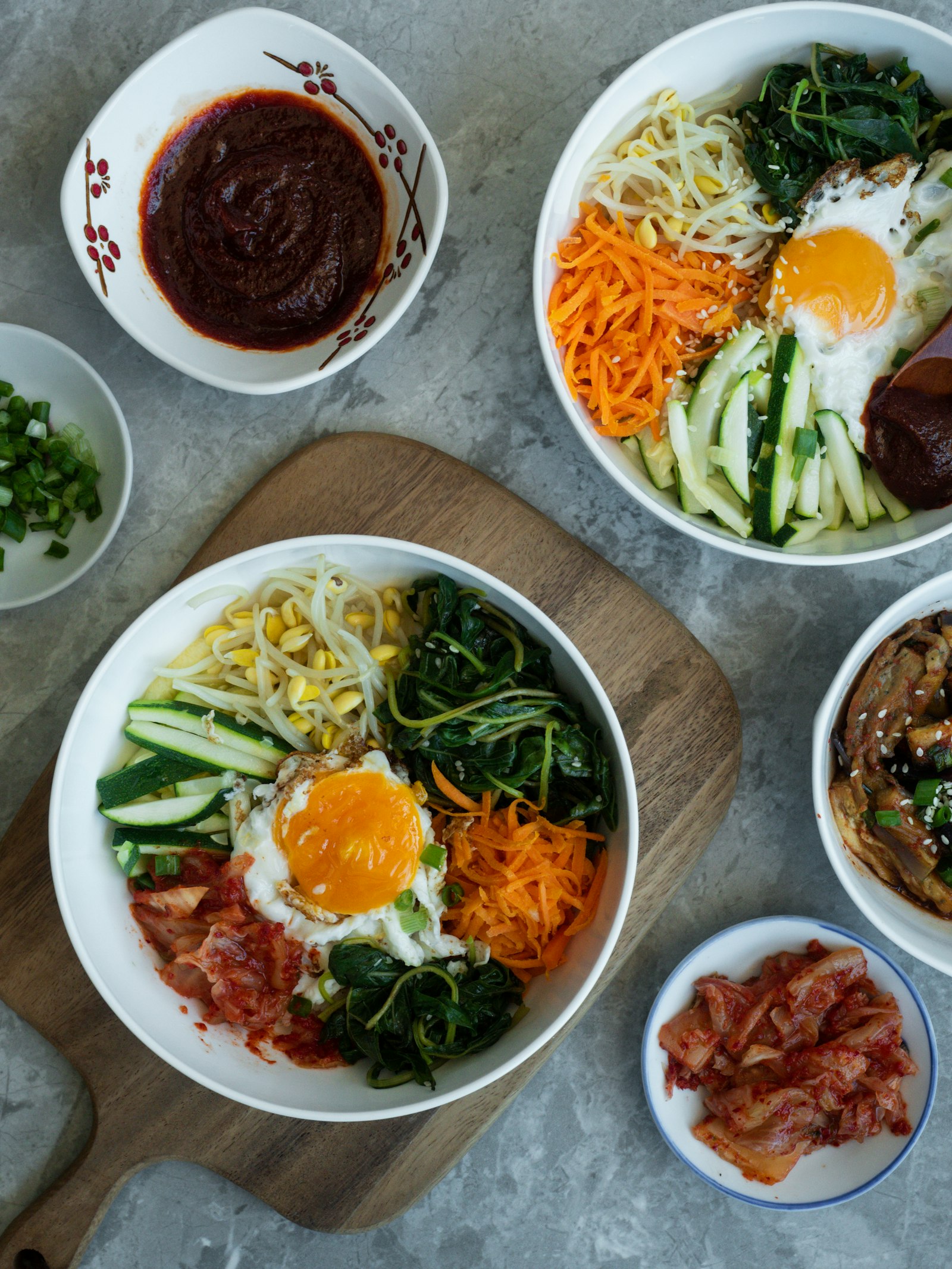
Korean Low-Carb Bibimbap, Built for Hormones
Traditional bibimbap (비빔밥) is a bowl of seasoned vegetables (namul), a small portion of protein, fermented chili paste (gochujang), and rice. The classic version is calorie-moderate but carb-heavy. The menopause-friendly adaptation swaps half (or all) of the white rice for low-glycemic alternatives, dials up vegetables to fill 60-70% of the bowl, and uses sesame and perilla oils for satiety.
The five-component low-carb bibimbap formula
- Base (about 1/3 of bowl): cauliflower rice, konjac (곤약) rice, shirataki, or a 50/50 mix with short-grain brown rice.
- Namul vegetables (about 1/2 of bowl): spinach, soybean sprouts, bracken (gosari), zucchini, mushrooms — each lightly seasoned with sesame oil, garlic, and a pinch of salt.
- Lean protein (about 90-120 g): grilled beef (bulgogi), tofu, salmon, or a soft-boiled egg.
- Fermented accent: 2-3 tablespoons of kimchi, plus a teaspoon of gochujang.
- Healthy fat finish: 1 teaspoon of extra-virgin olive oil or perilla oil at the end.
What the data shows on Korean dietary patterns
A 2021 cross-sectional study from the Korea National Health and Nutrition Examination Survey (KNHANES), indexed in PubMed, found that postmenopausal women with the highest adherence to a traditional Korean dietary pattern had roughly 15% lower waist circumference than those eating a Westernized pattern, after adjusting for age and activity. A separate 12-week intervention (n=120) using a low-carb K-diet protocol reported a mean visceral fat area reduction of 11% (95% CI 7-15%) on dual-energy X-ray absorptiometry.
The Mediterranean Diet: The RCT Gold Standard
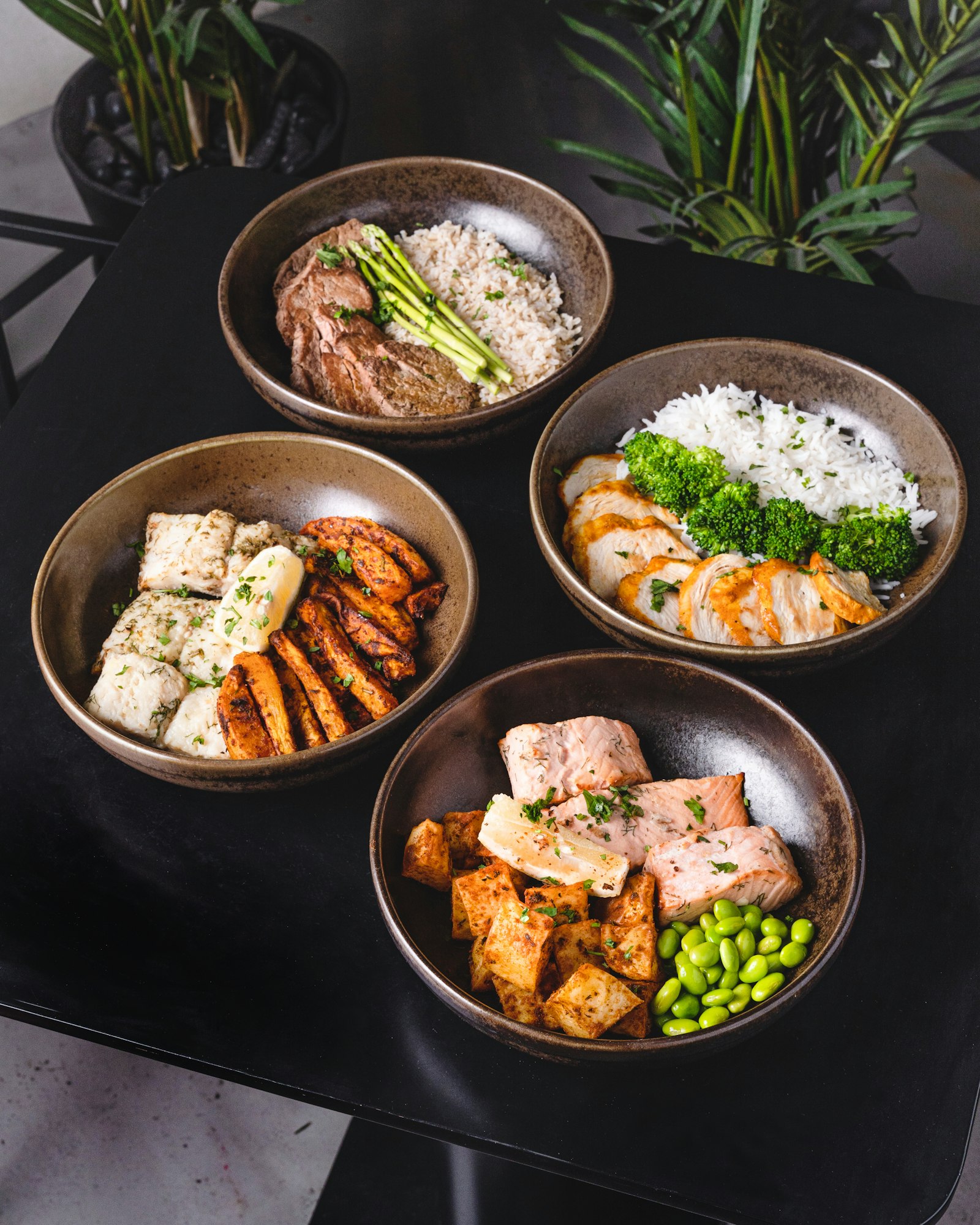
The Mediterranean diet — extra-virgin olive oil, fish, legumes, whole grains, nuts, vegetables — has the strongest randomized-trial evidence base of any dietary pattern for women in midlife. The PREDIMED trial (n=7,447), published in the New England Journal of Medicine, demonstrated a roughly 30% reduction in major cardiovascular events over five years versus a low-fat control diet, with particular benefit in postmenopausal participants.
Mediterranean strengths for postmenopausal women
“The Mediterranean dietary pattern remains the most consistently supported by long-term randomized data for cardiovascular and metabolic outcomes in women over 50.” — Mayo Clinic
Strengths relevant to belly fat include high monounsaturated fat (satiety, insulin signaling), abundant polyphenols from olive oil and red produce, and a built-in fiber load of 30-40 g per day. A 2018 meta-analysis in The Lancet Diabetes & Endocrinology reported a pooled waist-circumference reduction of about 2.0 cm (95% CI 1.4-2.6) after six months on a Mediterranean pattern, with effects amplified in those with baseline metabolic syndrome.
Head-to-Head: Glycemic Load, Polyphenols, and Visceral Fat
Direct head-to-head trials between a low-carb Korean diet and a Mediterranean diet are rare, but the metabolic levers each diet pulls are reasonably well mapped. The table below summarizes the practical differences.
| Dimension | Low-Carb Bibimbap | Mediterranean Diet |
|---|---|---|
| Typical glycemic load / meal | Low (8-14, depending on rice swap) | Low-moderate (10-16) |
| Primary fat source | Sesame oil, perilla oil | Extra-virgin olive oil |
| Fermented foods / day | High (kimchi, doenjang, cheonggukjang) | Moderate (yogurt, some cheese) |
| Phytoestrogen load | Higher (soy-derived) | Lower |
| RCT evidence base | Smaller (n in hundreds) | Large (PREDIMED, n=7,447) |
| Cultural ease for Korean women | Very high (existing pantry) | Moderate (ingredient sourcing) |
What the numbers actually say
For 8-12 week interventions, both diets produce statistically meaningful reductions in waist circumference and HOMA-IR. The low-carb K-diet trial cited above showed a mean visceral fat reduction of 11% on imaging, while pooled Mediterranean data show roughly 2 cm waist loss and a HOMA-IR improvement of 0.5-0.8 units. Effect sizes overlap, and adherence — not theoretical superiority — drives real-world outcomes.
The “K-Mediterranean” Hybrid Plate
For Korean-heritage women in midlife, the most sustainable answer is often neither pure pattern. A hybrid plate uses Korean fermented foods and namul as the daily backbone, then borrows Mediterranean fats and oily fish to amplify cardiometabolic protection.
A practical weekly template
- Daily anchor: 2-3 servings of fermented vegetables (kimchi, sauerkraut, or doenjang in soup); 1-2 tablespoons of extra-virgin olive oil drizzled at the table.
- 3-4 dinners / week: fish-forward — mackerel (godeungeo), salmon, or sardines, grilled with garlic and herbs.
- 2-3 dinners / week: low-carb bibimbap with cauliflower rice + namul + tofu or lean bulgogi.
- Daily fiber floor: 25-30 g, mostly from vegetables, beans, and resistant-starch sources (cold sweet potato, lentils).
- Treat carbs strategically: rice on training days, not on sedentary days; portion to a small bowl.
Common Mistakes That Quietly Sabotage Either Diet
Mistake 1: Treating “low-carb” as “no-carb”
Pulling all carbohydrates can blunt thyroid output and worsen sleep — two levers that already misbehave in menopause. Aim for 80-130 g of total carbohydrate per day from vegetables, legumes, and a small whole-grain or rice portion.
Mistake 2: Underdosing protein
Sarcopenia accelerates after 50, and a 90-120 g bibimbap protein portion is the floor, not the ceiling. The PubMed literature suggests 1.0-1.2 g of protein per kilogram of body weight per day for postmenopausal women — higher with resistance training.
Mistake 3: Confusing olive oil for a free pass
Extra-virgin olive oil is heart-protective at 2-3 tablespoons per day, but it is still 120 kcal per tablespoon. The Mediterranean diet’s metabolic benefit comes from the matrix — fiber, polyphenols, and oil together — not from drowning a plate in oil.
Mistake 4: Skipping the fermented sides
Kimchi, doenjang, and cheonggukjang aren’t optional flavor — they are the gut-axis ingredient that links diet to estrobolome activity. Roughly 100 g of fermented vegetables per day is a reasonable target, per the Korean Society of Menopause.
Frequently Asked Questions
Is bibimbap actually low-carb if I’m using rice?
A standard restaurant bibimbap with one cup of white rice provides roughly 60-70 g of carbohydrate per bowl — moderately high. The menopause-friendly version replaces at least half the rice with cauliflower or konjac rice, bringing the bowl down to 25-35 g of carbs, which qualifies as low-carb for most clinical definitions.
Will the Mediterranean diet work if I rarely cook with olive oil culturally?
Yes — the active levers are vegetables, legumes, fish, nuts, and herbs more than the oil itself. A pragmatic version uses olive oil only on cold dishes (salads, drizzled on finished soup) and keeps sesame or perilla oil for hot cooking.
Does kimchi count as a Mediterranean fermented food?
Not strictly, but the mechanism (live lactic-acid bacteria, postbiotic short-chain fatty acids, polyphenols from chili and garlic) overlaps cleanly with the Mediterranean rationale for olives, brined vegetables, and yogurt. Practically, swapping kimchi in for a Mediterranean fermented side is well supported by gut-microbiome literature on PubMed.
How long until I’d see waistline change on a hybrid plate?
Most controlled studies report measurable waist-circumference change between 8 and 12 weeks. Visceral fat on imaging tends to lag waist measurement by a few weeks because subcutaneous tissue compresses faster. Pair the dietary shift with two or three resistance-training sessions per week for the most consistent results.
Do I need to avoid soy if I have a family history of breast cancer?
Current evidence from large cohort studies — summarized by the CDC and discussed on menopause.org — does not link whole-food soy intake (tofu, doenjang, edamame) to elevated breast cancer risk in average-risk women, and may even be modestly protective. High-dose isoflavone supplements are a separate question and should be discussed with an oncologist.
Peer-reviewed Sources
- New England Journal of Medicine — PREDIMED trial (n=7,447) of the Mediterranean diet for cardiovascular prevention.
- The Lancet Diabetes & Endocrinology — meta-analysis of Mediterranean dietary patterns and waist circumference.
- BMJ — fasting insulin and visceral fat accumulation in postmenopausal women.
- North American Menopause Society — menopause and cardiometabolic risk.
- Mayo Clinic — clinical overview of the Mediterranean diet.
- Korean Society of Menopause — Korean clinical guidance on diet and menopause.
- PubMed — Korean dietary patterns and visceral fat in postmenopausal cohorts.
Medical disclaimer: This article is for educational purposes only and is not medical advice. Dietary changes during the menopausal transition can interact with medications, thyroid function, and personal cardiovascular risk. Please discuss any substantial change in eating pattern with your physician or a registered dietitian familiar with menopause medicine before starting.