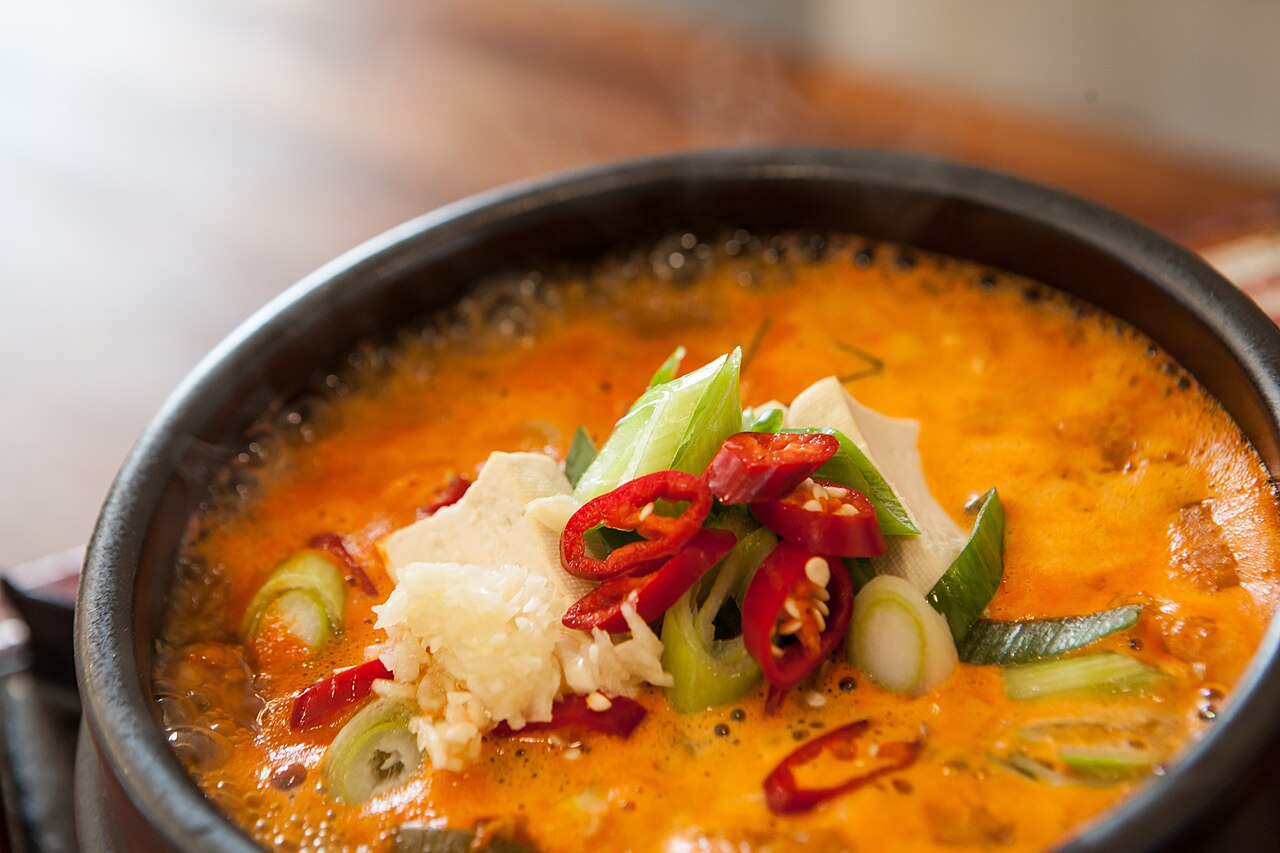
If you have spent a year or more waking up drenched, fanning yourself in meetings, or feeling a sudden internal heat wave roll up your chest, you are not alone—roughly 75% of women experience hot flashes during the menopause transition, and for nearly a third they continue for a decade or more. Hormone therapy is highly effective for many, but a growing number of midlife women want food-first strategies they can layer on top of (or before) prescription options.
This is where doenjang (된장)—a thick, earthy, fermented Korean soybean paste—earns a closer look. Westerners who have tasted miso may assume the two are interchangeable. They are not. Doenjang’s longer fermentation, whole-soybean base, and indigenous Korean Bacillus strains produce a different isoflavone profile, and Korean researchers at the Korea Food Research Institute (KFRI) have spent two decades documenting why that matters for women in midlife.
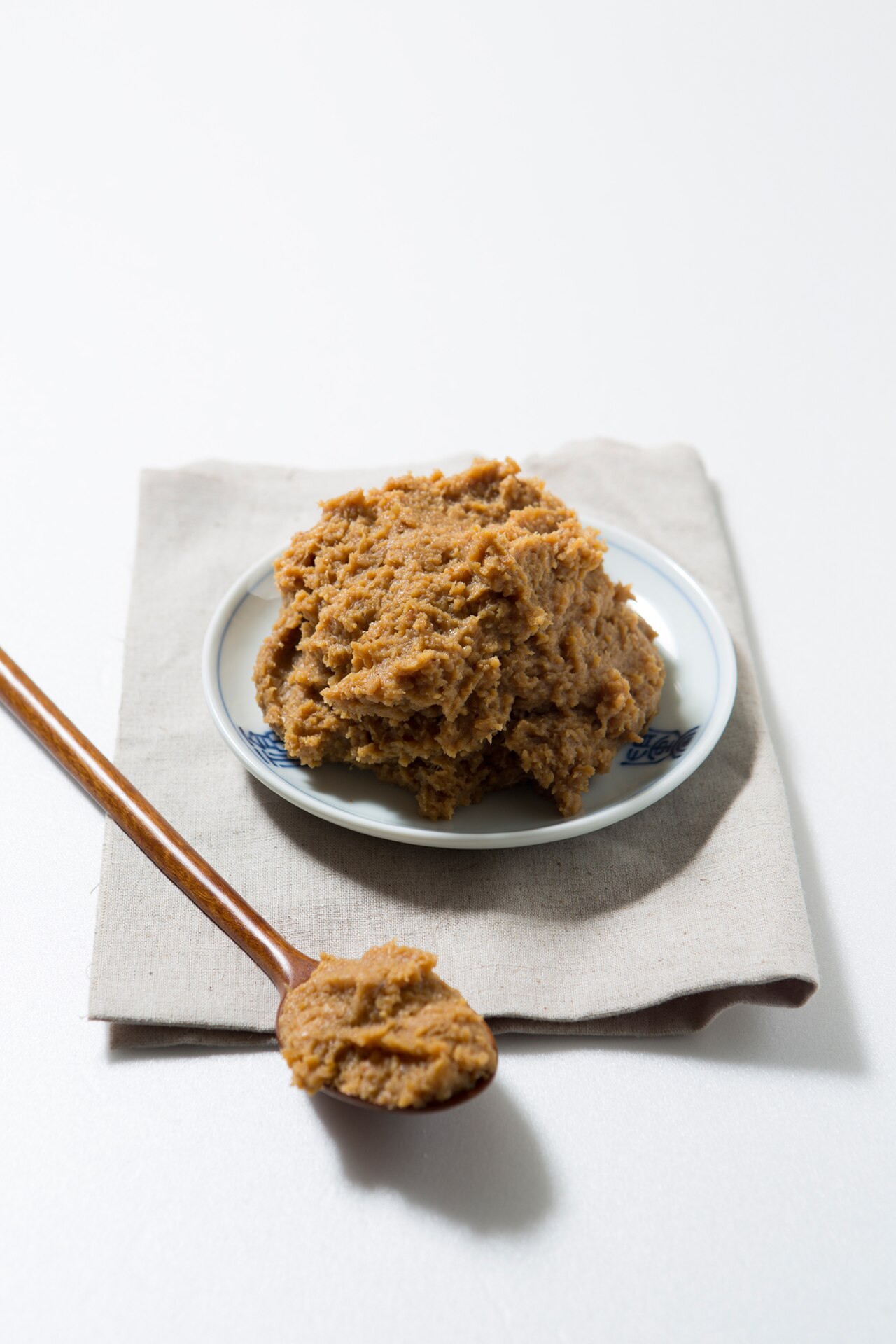
What Is Doenjang? Korea’s Original Fermented Superfood
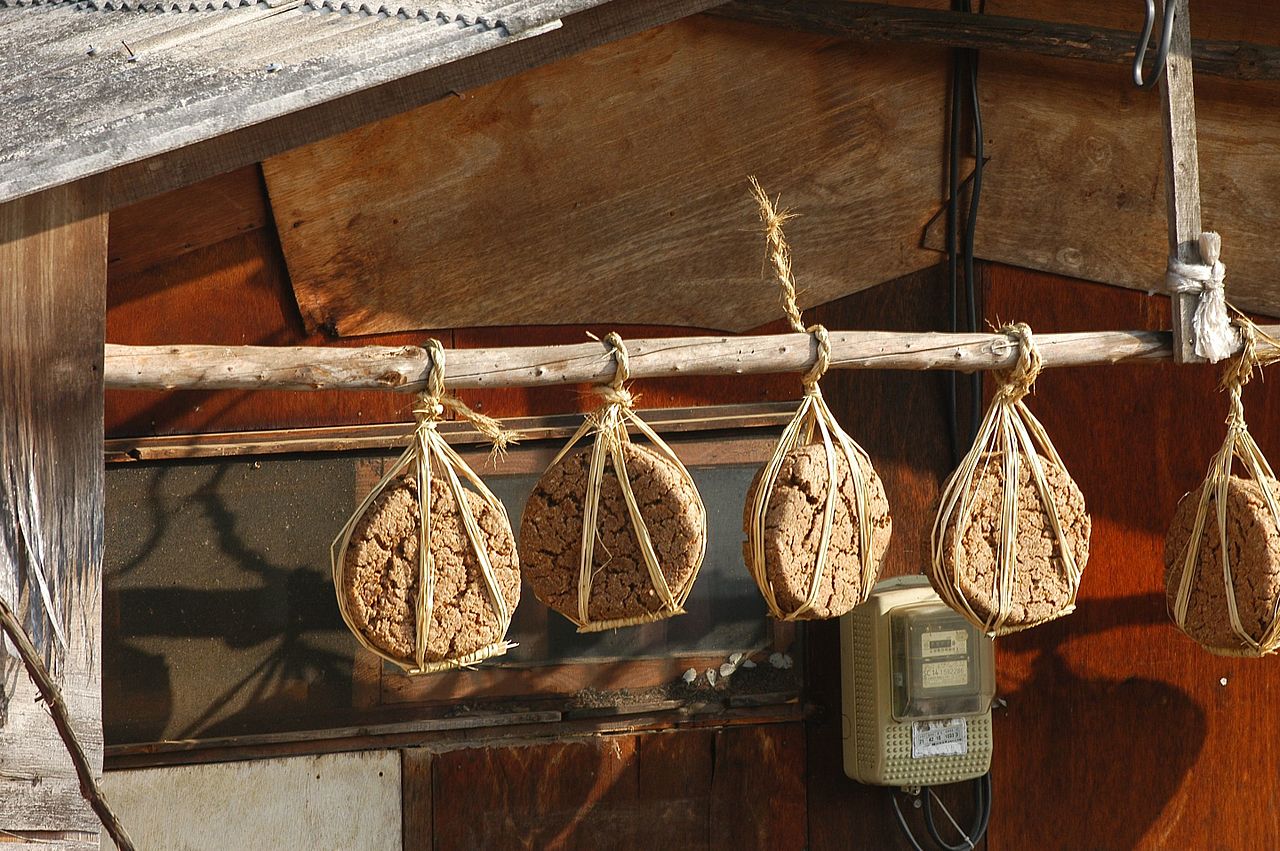
Doenjang is one of the three pillars of Korean cooking known collectively as jang—soybean ferments that include doenjang (paste), ganjang (soy sauce), and gochujang (chili paste). It has been continuously prepared on the Korean peninsula for at least 1,500 years. The traditional process starts with cooked soybeans pounded into bricks called meju, hung to dry, then submerged in salt brine for 60–90 days. The solids that sink become doenjang; the liquid that floats becomes ganjang.
How Doenjang Is Made (Traditional vs. Commercial)
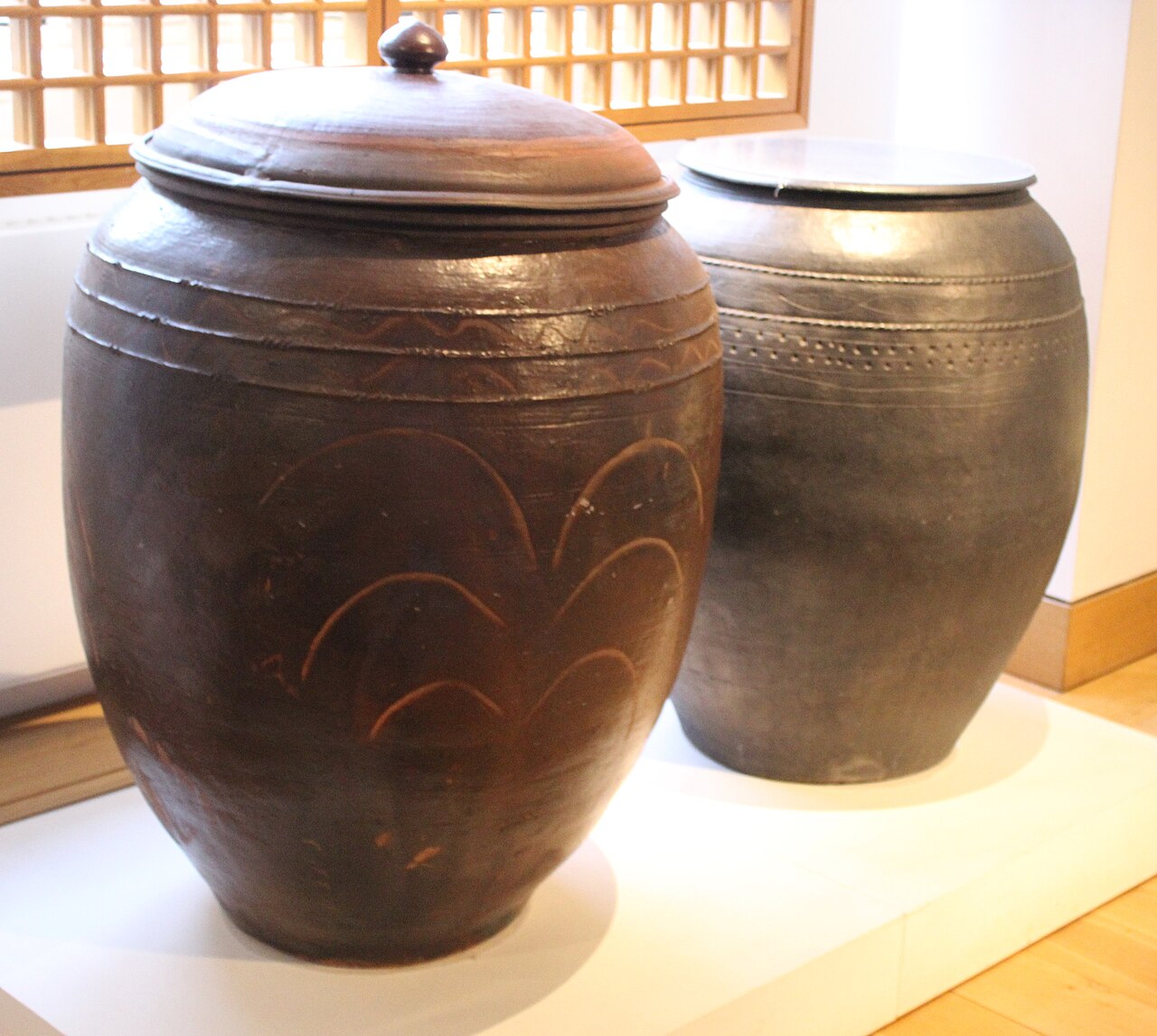
Traditional jaeraesik (“old-style”) doenjang is fermented for 6–24 months in large earthen onggi jars on outdoor terraces, where wild Bacillus subtilis and Aspergillus oryzae populations colonize the meju. Commercial gaeryangsik doenjang is inoculated with selected starter cultures and finishes in 2–3 months. Both are legitimate, but the longer ferment generates a richer profile of bioactive peptides and free amino acids, including the umami compound that gives doenjang its characteristic earthy depth.
Doenjang vs. Japanese Miso: Three Key Differences
Miso and doenjang are siblings, not twins. First, miso typically contains rice or barley koji as a starch base, while traditional doenjang is almost pure fermented soybean—meaning more soy protein and isoflavone per gram. Second, doenjang’s microbial community is dominated by Bacillus rather than Aspergillus, which produces a different enzyme suite and stronger flavor. Third, doenjang ferments longer at lower controlled temperatures, generating more melanoidins and the small peptides researchers connect to its antioxidant and ACE-inhibitor activity.
The Science: Phytoestrogens and Hot Flash Reduction
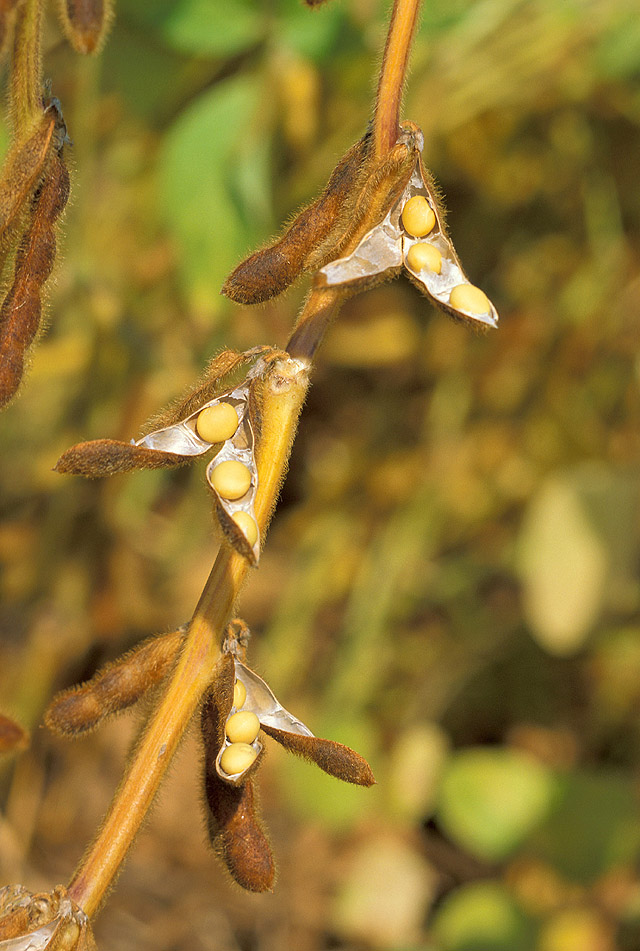
Soybeans contain isoflavones—plant compounds that bind weakly to estrogen receptors, especially the beta receptor expressed in the brain’s thermoregulatory center. The two main isoflavones, genistein and daidzein, exist in soybeans mostly as glycosides (sugar-bound forms) that the human gut absorbs poorly. Fermentation changes that.
Isoflavone Bioavailability After Fermentation
During the long doenjang ferment, microbial beta-glucosidase enzymes cleave the sugar group, converting the glycosides into aglycones—the free, absorbable form. A 2018 review in Nutrients documented that aglycone isoflavones reach peak plasma concentration roughly three times faster than glycosides and produce a higher overall area-under-the-curve. Daidzein in particular is the precursor to equol, a more potent metabolite that only some women’s gut microbes can produce—and Korean fermented foods appear to favor the bacteria that do.
What Clinical Studies Show
The North American Menopause Society (NAMS) 2023 nonhormone position statement places soy isoflavone derivatives in the “may benefit” category for hot flashes, with the strongest signal in S-equol producers. A meta-analysis in Menopause found a roughly 20–25% reduction in hot flash frequency with isoflavone intake of 50–100 mg per day—a dose comfortably reachable with two tablespoons of doenjang plus a serving of edamame or tofu. Korean cohort data from the Korea Institute of Oriental Medicine (KIOM) further suggest women with diets rich in jang foods report lower vasomotor symptom scores at the same age and BMI than peers eating Western diets.
How to Add Doenjang to Your Daily Diet
The clinical target is roughly 50 mg of isoflavones daily, which is achievable with one to two tablespoons of traditional doenjang. The trick is using it across the day so you neither overload sodium nor get bored.
Doenjang Jjigae (Stew) — A 15-Minute Weeknight Recipe
This is Korea’s everyday lunch in a bowl. Bring two cups of anchovy or vegetable broth to a simmer. Whisk in two tablespoons of doenjang until dissolved. Add a half cup of cubed firm tofu, a quarter cup of sliced zucchini, one chopped green onion, and a clove of minced garlic. Simmer eight minutes. Finish with a splash of sesame oil. The total isoflavone load is roughly 45–60 mg, with the tofu contributing additional aglycones.
Five Easy Non-Soup Uses
Beyond stew, doenjang behaves like a fermented umami booster: thin it with rice vinegar, sesame oil, and a touch of honey to make ssamjang for lettuce wraps; whisk a teaspoon into salad dressings in place of anchovy paste; rub it on salmon before roasting; stir a spoonful into ground turkey for burgers; or blend it with yogurt and lemon for a vegetable dip. Each use adds 15–25 mg of isoflavone without dominating flavor.
Choosing High-Quality Doenjang in the U.S.
Quality matters here more than with most condiments, because shorter, hotter, microbial-shortcut ferments yield less of the converted aglycone isoflavones that drive the clinical effect.
Reading the Label: Three Markers to Look For
First, the ingredient list should be short—soybeans, salt, water, and possibly meju powder. Avoid jars listing wheat flour, corn syrup, or MSG as primary ingredients. Second, look for the Korean phrase jaeraesik (“traditional”) or hansik (“Korean style”) on the label, which signals long aging. Third, traditional doenjang is the color of dark caramel with visible soybean specks; pale, perfectly smooth, light-tan paste usually means a fast commercial process.
Where to Find It in the U.S.
H Mart and Hannam Chain stock multiple brands in the refrigerated case—Sempio, Jung One, and Chung Jung One are widely available, and Sempio’s “Tojang” line is closest to traditional. Where to find: H Mart, Hannam Chain, Kim’C Market online, and Weee! online for shipping. A 17-ounce jar typically costs $7–$12 and lasts 6–8 weeks once opened (refrigerate after opening, scrape from the surface with a clean spoon to slow oxidation).
Safety, Sodium, and Who Should Be Cautious
Doenjang is salty. A tablespoon contains roughly 800–1,100 mg of sodium—about a third of the American Heart Association’s daily limit. If you have hypertension, kidney disease, or heart failure, count doenjang within your daily sodium budget and consider lower-sodium varieties. Women with a personal or family history of estrogen-receptor-positive breast cancer should discuss soy intake with their oncologist; the bulk of evidence in Mayo Clinic’s review finds whole-soy foods safe and possibly protective, but supplemental high-dose isoflavones are a separate question.
Doenjang also contains tyramine, which can interact with MAO inhibitors—rare in current practice but worth flagging. Otherwise, traditional doenjang is one of the most studied food ferments on earth, and Korean women have eaten it daily for generations.
Frequently Asked Questions
How much doenjang per day for hot flashes?
Aim for one to two tablespoons (15–30 grams) daily, which provides roughly 30–60 mg of isoflavones once fermentation aglycone conversion is accounted for. Combined with another modest soy serving (edamame, tofu, or soy milk), this lands in the 50–100 mg range that clinical trials use for vasomotor symptom studies.
How long until I notice fewer hot flashes?
Most randomized trials of dietary soy isoflavones show measurable reductions in hot flash frequency at 8–12 weeks, with maximum effect around 12–16 weeks. Track baseline frequency for one week, then re-measure at week 8. A 20–30% drop is realistic; if you are an equol producer, the response may be stronger.
Is doenjang safe with hormone therapy?
For most women, yes—dietary soy intake at culinary doses has not been shown to interfere with estradiol or progesterone therapy. Concentrated isoflavone supplements at 200+ mg per day are a different conversation. Always confirm with your prescribing clinician, especially if you have a history of estrogen-sensitive cancer.
Can I substitute Japanese miso?
Miso provides isoflavones and is a reasonable backup, but per gram traditional Korean doenjang carries more soy protein and a different aglycone profile. If miso is what you have, choose a long-aged red miso (aka miso) over white—the longer ferment yields more bioavailable isoflavones.
What about soy and breast cancer concerns?
Whole-food fermented soy at culinary amounts is generally considered safe and possibly protective in long-term cohort studies, particularly when consumption begins before menopause. The American Cancer Society and Mayo Clinic both note that prior concerns came largely from rodent studies that do not translate to human soy metabolism. Women in active treatment for ER+ breast cancer should discuss with their oncology team.
Bottom Line
Doenjang is not a magic bullet, but it is one of the most evidence-supported food-first additions a midlife woman can make. It delivers fermented, bioavailable isoflavones that have shown meaningful hot flash reduction in clinical trials, while contributing umami depth that makes the whole Korean menopause approach—rich in vegetables, fermented foods, and modest portions—genuinely sustainable. Start with one bowl of doenjang jjigae a week, build to four or five eating occasions, and reassess at twelve weeks.
Medical disclaimer: This article is for educational purposes only and is not medical advice. Always consult a qualified healthcare provider before changing diet, starting hormone therapy, or making decisions about menopause-related symptoms—especially if you have a history of breast cancer, hypertension, kidney disease, or take medications that interact with tyramine or estrogen-pathway drugs.
관련 글: 갱년기 HRT 투여 경로 4가지 비교 — 경구 · 경피 패치 · 젤/스프레이 · 질내 에스트로겐 임상 데이터로 본 메커니즘 분석 (2026 임상 가이드)