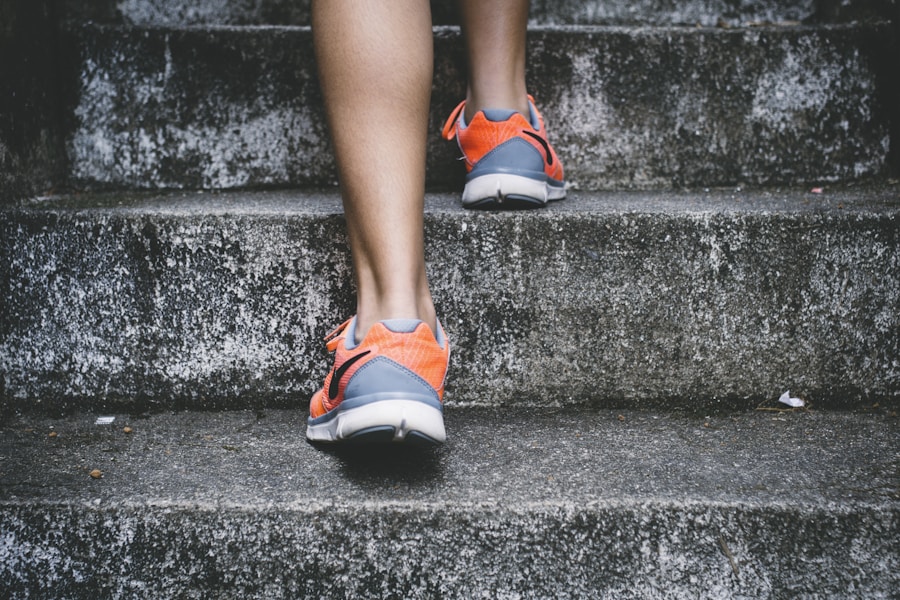
A landmark 14,000-person study presented at the American College of Cardiology (ACC.26) shows morning exercise dramatically lowers cardiometabolic risk.
People who exercised between 7 and 8 AM had a 31% lower risk of coronary artery disease than later-day exercisers.
Risk dropped 35% for obesity, 30% for type 2 diabetes, 21% for high cholesterol, and 18% for high blood pressure.
Remarkably, the protection was independent of total daily activity — timing itself moved the needle.
If you have been wondering when to exercise, cardiology just gave you an answer. A new study presented at the American College of Cardiology’s 2026 Annual Scientific Session (ACC.26) tracked 14,000 adults using Fitbit-derived heart rate data paired with electronic medical records. The researchers looked at exactly when each person’s heart rate actually climbed — not when they said they exercised — and the findings were striking. 갱년기 골다공증 — 폐경 후 5년이 평생 골밀도를 결정합니다 (2026 가이드)
31%
cised between 7 and 8 AM were 31% less likely to have
— 본문 인용 출처 / 임상 보고
Compared to people who typically worked out later in the day, those who exercised between 7 and 8 AM were 31% less likely to have coronary artery disease, the most common cause of heart attacks. Crucially, this benefit was not explained by how much people exercised. Two people doing the same weekly minutes had very different risk profiles depending on the clock. Why Low-Intensity Training Suits Midlife Women: The 70% Rule of Elite Athletes
Study Citation
Mohammad Moniruzzaman et al., “Morning Exercise Associated With Lower Cardiometabolic Risk,” ACC.26 Annual Scientific Session, American College of Cardiology, March 2026. Cohort: 14,000 adults; Methods: Fitbit heart-rate signals + linked medical records.
Why Morning Exercise Protects the Heart
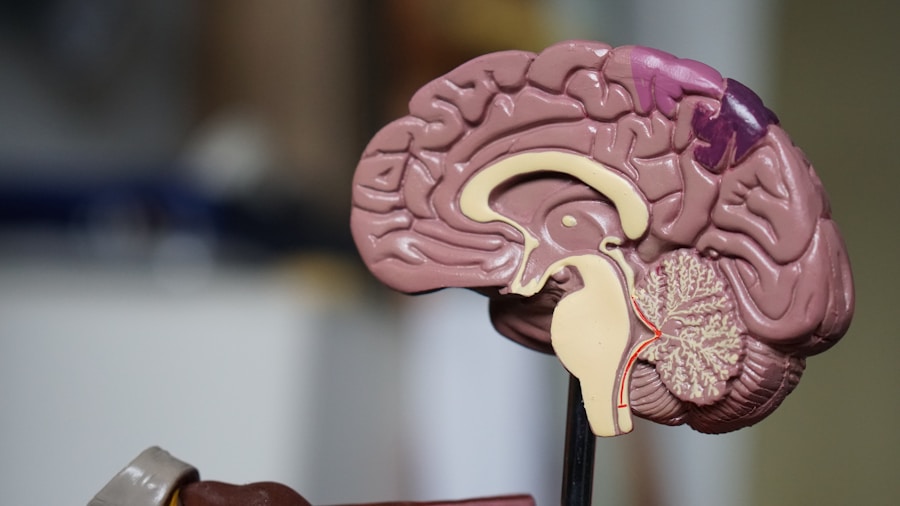
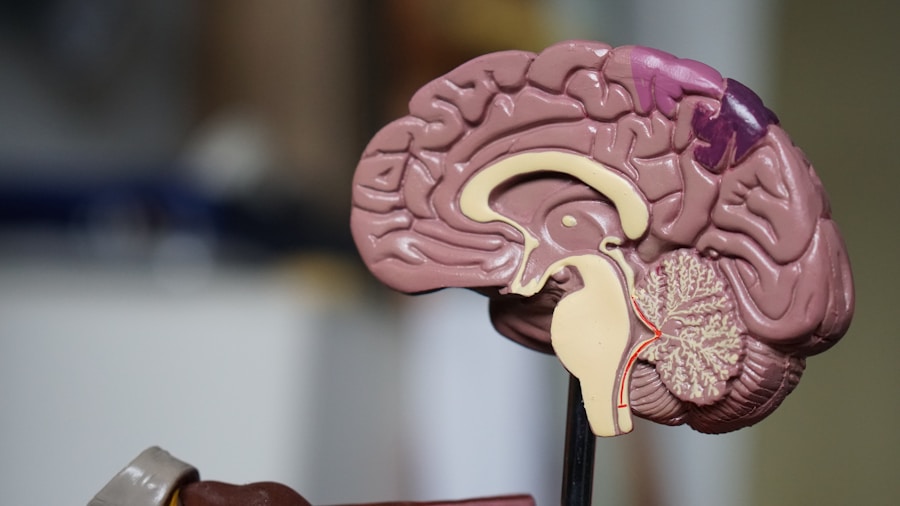
Researchers proposed three overlapping mechanisms. First, cortisol alignment: morning cortisol naturally peaks around waking, and pairing it with movement sharpens fat oxidation and glucose clearance. Second, blood pressure flattening: early workouts blunt the pressure surges that happen later in the day, reducing wear on vessel walls. Third, insulin sensitivity: prior research shows fasted or light-fed morning exercise can raise muscle glucose uptake by up to 40%, setting a metabolic tone that lasts for hours.
Researchers proposed three overlapping mechanisms.
Photo by Unsplash
Risk Reduction by Condition
Condition
Morning (7-8 AM) vs. Later
What It Means
Coronary Artery Disease
-31%
Fewer heart attacks
Obesity
-35%
Better weight regulation
Type 2 Diabetes
-30%
Improved glucose control
Hyperlipidemia
-21%
Healthier cholesterol
High Blood Pressure
-18%
Reduced vascular strain
A 10-Minute Morning Protocol for Busy People
Step-by-Step Guide — 10 Minutes After Waking
0-2 min: Drink 300 ml of water slowly. Eight hours of sleep leaves you dehydrated; rehydration primes heart rate.
2-4 min: March in place or skip lightly. Get heart rate above 100 bpm to cross the “activity” threshold the study measured.
4-7 min: Two rounds of 15 squats → 10 push-ups → 30-second plank. Wakes up muscle glucose uptake.
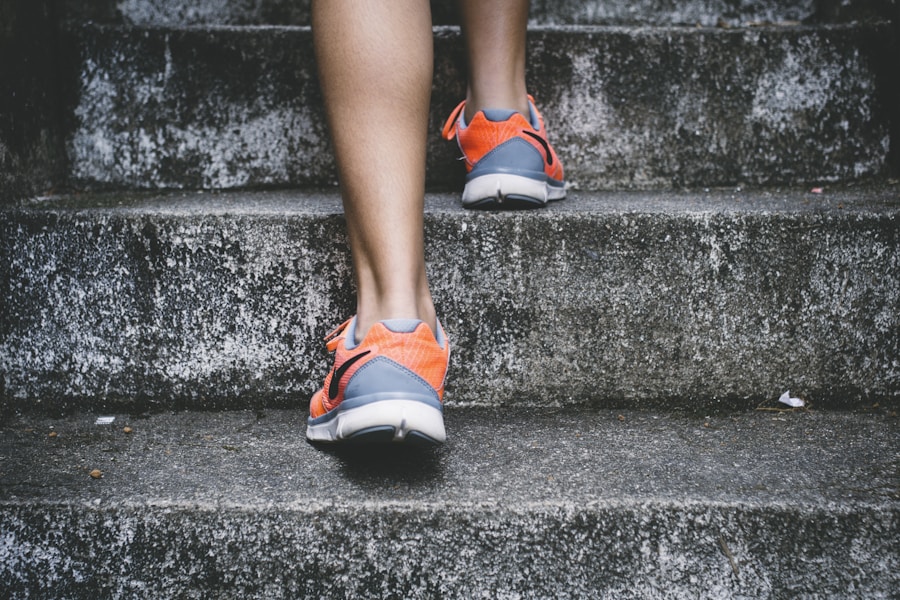
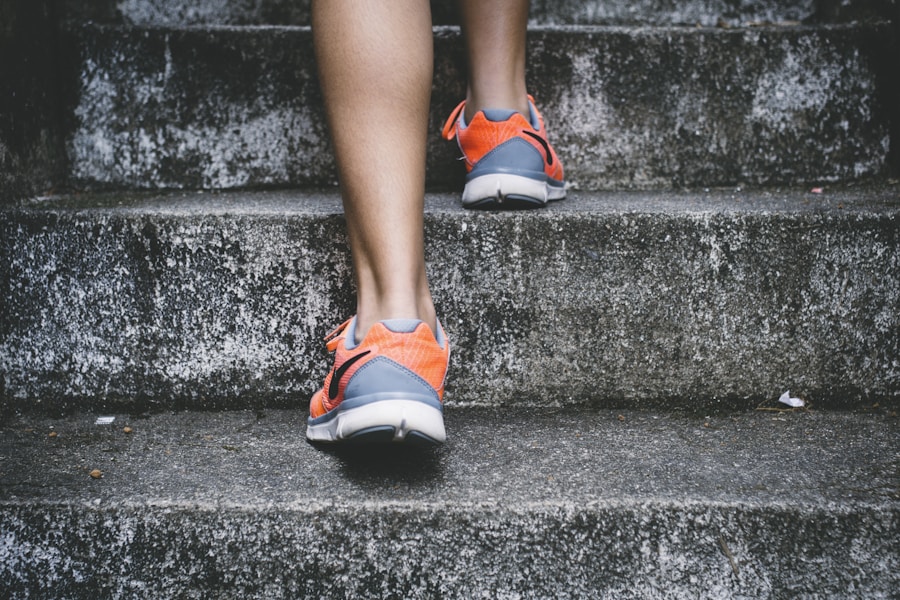
7-9 min: Climb stairs or brisk walk. This is the zone the Fitbit data flagged as protective.
9-10 min: Five deep breaths. Helps stabilize cortisol and guard against morning stress spikes.
Photo by Unsplash
Two minutes of warm-up dramatically lowers injury risk. On an empty stomach, stay at moderate intensity — able to talk but not sing — to avoid glucose dips.
Recommended
Heart rate monitoring smartwatch for morning workouts
50~60대 여성용 갱년기 종합 영양제를 1회분 함량 기준으로 정리한 페이지로 이동합니다.
갱년기 종합 영양제 비교
50~60대 여성용 갱년기 종합 영양제를 1회분 함량 기준으로 정리한 페이지로 이동합니다.
For most healthy adults, moderate-intensity exercise under 30 minutes is safe on an empty stomach. If you feel lightheaded, eat a small carb snack (half a banana) first.
Does this mean evening workouts are useless?
Not at all. Any exercise beats none. The study suggests that, for the same amount of exercise, morning timing may confer extra cardiometabolic protection — but consistency still matters more than timing.
What if I’m not a morning person?
Don’t sacrifice sleep to hit 7 AM. Protect your 7-hour minimum first, then gradually shift bedtime earlier and start with the 10-minute protocol before scaling up.
Which type of exercise counts?
The study captured any heart-rate-elevating activity — brisk walking, cycling, jogging, strength circuits. Choose what you’ll actually repeat.
Should people with heart conditions exercise early?
Anyone with diagnosed cardiovascular disease should consult a physician. Early mornings carry higher cardiac event risk for some patients, so timing and intensity should be personalized.
Your 7-Day Challenge
Tomorrow, 7 AM sharp — just 10 minutes. Repeat for seven days. Your heart will notice before your mirror does.
이 글은 일반적인 정보 제공을 목적으로 하며, 개인 맞춤 의료 상담을 대체하지 않습니다. 증상이 의심되거나 위험 요인이 있는 경우 산부인과·가정의학과·내분비내과 전문의와 상담하시길 권합니다.
Sources:
American College of Cardiology (2026). Rise and Sweat! Morning Exercise Linked with Lower Cardiometabolic Risk. ACC.26 Annual Scientific Session.
Medical Xpress (2026). Morning workouts tied to lower cardiometabolic risk in Fitbit study of 14,000.
EurekAlert! (2026). Rise and sweat! Morning exercise linked with lower cardiometabolic risk.
This post contains Coupang Partners affiliate links. We may earn a commission on qualifying purchases.
More from the Korean Wellness Series
Korean dietary, beauty, and traditional medicine approaches to midlife and menopause health.
아침 운동이 단순한 습관이 아니라 ‘심혈관 보험’이 될 수 있다는 증거가 나왔습니다. 2026년 3월 미국심장학회 연례 학술대회(ACC.26)에서 공개된 연구는 Fitbit 데이터와 의료 기록을 결합한 14,000명 규모의 분석이었습니다. 연구진은 참가자들이 실제로 심박수가 상승하는 시간대를 정밀하게 추적했고, 운동 시간대가 심장과 대사 건강에 ‘독립적으로’ 영향을 준다는 사실을 밝혀냈습니다. 갱년기 골다공증 — 폐경 후 5년이 평생 골밀도를 결정합니다 (2026 가이드)
31%
가장 눈에 띄는 숫자는 31%. 오전 7~8시에 규칙적으로 운동한 사람은 저녁 운동 그룹보다 관상동맥질환
연구 출처
Mohammad Moniruzzaman 외, “Morning Exercise Associated With Lower Cardiometabolic Risk,” ACC.26 Annual Scientific Session, American College of Cardiology, 2026년 3월. 대상: 14,000명, 방법: Fitbit 심박수 + 의료기록 분석.
왜 아침 운동이 심장에 좋을까?
과학자들이 제시하는 가설은 세 가지입니다. 첫째, 코르티솔 리듬입니다. 아침에 자연스럽게 상승하는 코르티솔과 운동이 시너지를 내며 지방 연소와 혈당 조절을 촉진합니다. 둘째, 혈압 안정화입니다.
아침 운동은 하루 종일 혈압 변동 폭을 줄여 혈관 내피에 가해지는 스트레스를 낮춥니다. 셋째, 인슐린 민감성입니다. 공복 상태의 가벼운 운동은 근육의 포도당 흡수를 최대 40%까지 높인다는 선행 연구가 있습니다.
이 글은 일반적인 정보 제공을 목적으로 하며, 개인 맞춤 의료 상담을 대체하지 않습니다. 증상이 의심되거나 위험 요인이 있는 경우 산부인과·가정의학과·내분비내과 전문의와 상담하시길 권합니다.
출처:
American College of Cardiology (2026). Rise and Sweat! Morning Exercise Linked with Lower Cardiometabolic Risk. ACC.26 Annual Scientific Session.
Medical Xpress (2026). Morning workouts tied to lower cardiometabolic risk in Fitbit study of 14,000.
EurekAlert! (2026). Rise and sweat! Morning exercise linked with lower cardiometabolic risk.
The secret to lasting fitness isn’t intensity. It’s sustainability. And in 2026, one exercise has surged 2,986% in global search interest. No gym required. 갱년기 골다공증 — 폐경 후 5년이 평생 골밀도를 결정합니다 (2026 가이드)
“Isn’t It Just… Walking?” — The Question Everyone Asks
What People Who’ve Done It Actually Say
Fast 3 minutes. Slow 3 minutes. That’s it.
Interval Walking Training (IWT) was developed by researchers at Shinshu University in Japan in the 1990s:
986%
26, one exercise has surged 2,986% in global search
— 본문 인용 출처 / 임상 보고
Walk briskly for 3 minutes (until slightly out of breath) → Walk slowly for 3 minutes → Repeat 5 times = 30 minutes total
No equipment. No coach. Just comfortable shoes. walking shoes
The Numbers Behind the Hype
A 2024 review in Applied Physiology, Nutrition, and Metabolism concluded IWT consistently outperforms steady-pace walking for aerobic capacity, lower-limb strength, and cardiovascular markers.
A 2024 review in Applied Physiology, Nutrition, and Metabolism concluded IWT consistently outperforms steady-pace walking for aerobic capacity, lower-limb strength, and cardiovascular markers.
Average systolic blood pressure drop of 9 mmHg
Average diastolic blood pressure drop of 5 mmHg
Significant improvements in VO2max
Photo by Unsplash
“Isn’t It Just… Walking?” — The Question Everyone Asks
The mechanism is in the interval. During the brisk 3 minutes, heart rate rises and cardiovascular demand increases. During the slow 3 minutes, recovery happens. Repeat this cycle and your heart becomes progressively more efficient.
Japanese Interval Walking
Regular Jogging
Joint impact
Low
High
Blood pressure improvement
Clinically proven (9 mmHg↓)
Effective but injury risk higher
Sustainability
Very high
High dropout rate early on
Best suited for
All ages, chronic conditions included
Generally healthy adults
Photo by Unsplash
What People Who’ve Done It Actually Say
“Nothing noticeable for the first month. Stairs became easier in the second. By the third month, my blood pressure numbers had changed.”
IWT is popular not just because it works, but because it’s easy enough to keep doing. In fitness, that’s the only thing that ultimately matters.
Photo by Unsplash
Recommended
Cushioned walking shoes for joint protection
How to Start — Right Now, Today
Put on comfortable shoes
Set a 3-minute timer
Walk briskly (you can talk, but can’t comfortably sing)
When the timer goes off, slow down and recover
Repeat 5 times — done
Start with 3 rounds if 5 feels like too much. Give it five months, and your blood pressure numbers may tell a different story.
Photo by Unsplash
Today’s challenge: Try one session after work or during lunch. Research shows that marking it on a calendar more than doubles follow-through rates.
이 글은 일반적인 정보 제공을 목적으로 하며, 개인 맞춤 의료 상담을 대체하지 않습니다. 증상이 의심되거나 위험 요인이 있는 경우 산부인과·가정의학과·내분비내과 전문의와 상담하시길 권합니다.
Sources: Applied Physiology, Nutrition, and Metabolism (2024) / 2025 RCT Diabetes Study / ACSM Fitness Trends 2026
This post contains Coupang Partners affiliate links. We may earn a commission on qualifying purchases.
50~60대 여성용 갱년기 종합 영양제를 1회분 함량 기준으로 정리한 페이지로 이동합니다.
갱년기 종합 영양제 비교
50~60대 여성용 갱년기 종합 영양제를 1회분 함량 기준으로 정리한 페이지로 이동합니다.