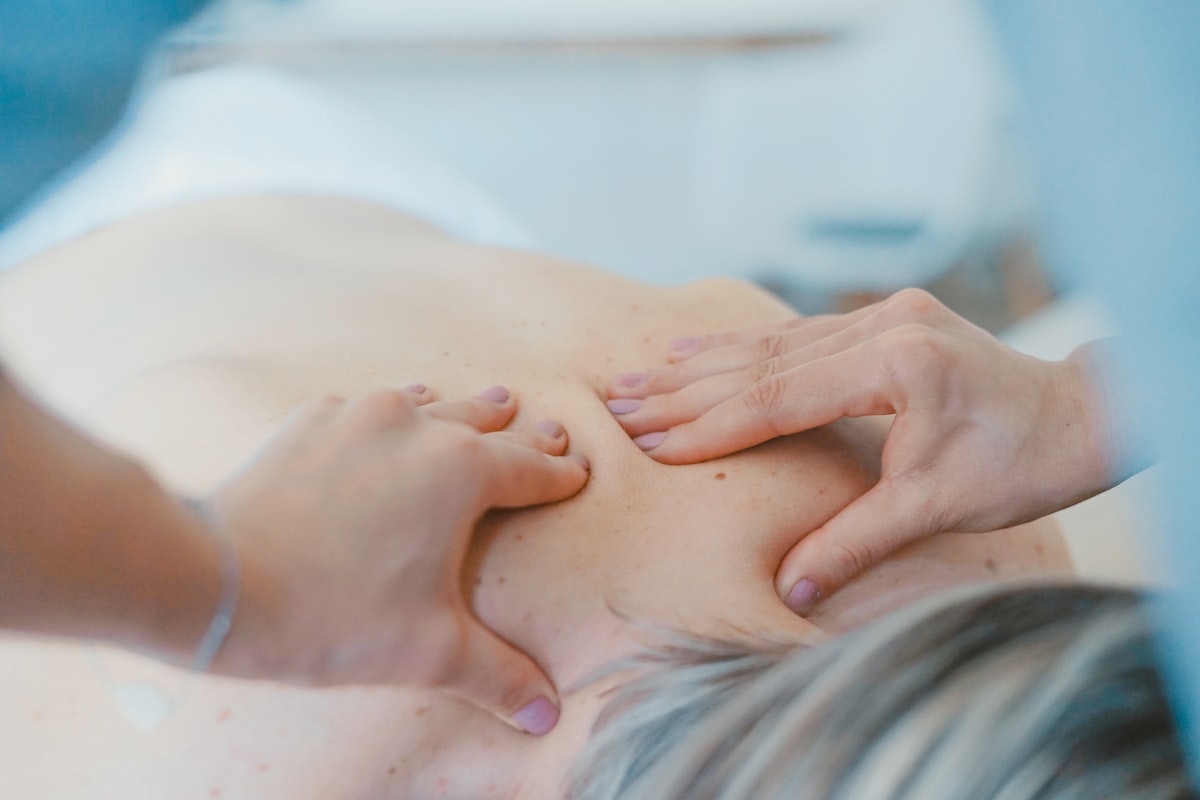
In Korea, a grandmother rubbing the fleshy base of her thumb while she waits for the kettle is not just fidgeting. She may be practicing a folk version of sooji chim (수지침), the Korean hand-therapy tradition that treats the palm as a small map of the whole body. For women moving through menopause, this quiet, self-directed ritual has become a popular way to manage stress, restless nights, and the sense that the body is no longer predictable.
30-Second Key Takeaway
- Sooji chim (Koryo Hand Therapy) maps the entire body onto the hands and was developed by Dr. Tae-Woo Yoo in Korea in 1971.
- Evidence for menopause is early: a small placebo-controlled trial suggests it may help perimenopausal sleep, and related acupressure studies show gains in stress and symptom relief.
- Major bodies such as NAMS do not endorse acupuncture as a primary hot-flash treatment, so treat hand therapy as a calming self-care habit, not a cure.
- A 5-minute daily hand routine is low-risk and pairs well with proven steps: sleep hygiene, exercise, and a clinician-guided plan.
What Is Sooji Chim? Korea’s Hand-Sized Map of the Body
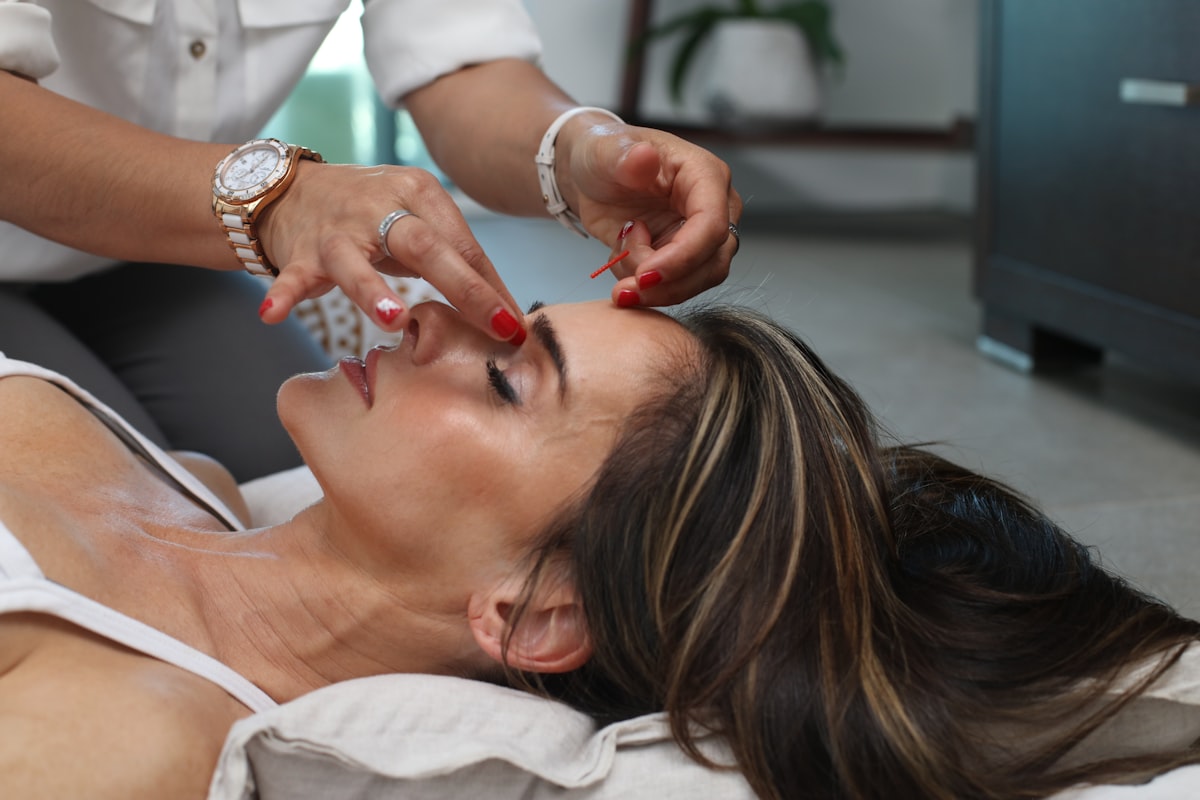
Sooji chim, also romanized as Koryo Sooji Chim or Koryo Hand Therapy (KHT), is a microsystem of acupuncture and acupressure that was developed by Dr. Tae-Woo Yoo in 1971. Unlike classical body acupuncture, it treats only the hands, based on the idea that the hand is a miniature reflection of the whole body: the middle finger corresponds to the head and spine, the palm to the torso and its organs, and the fingers to the limbs.
In clinical practice, practitioners use tiny, shallow needles or small metal pellets taped to specific points. At home, most people use nothing more than their own thumb, a rounded pen cap, or a small massage ring to press and roll over the points. Because the technique is shallow and self-applied, many Korean families pass it down as an everyday comfort measure rather than a formal medical procedure.
Why a Hand Ritual Appeals During Menopause
The menopause transition is defined by a fall in estrogen that reshapes sleep, mood, and temperature control. Roughly three in four women experience vasomotor symptoms such as hot flashes and night sweats, and many report that stress and poor sleep make those episodes feel more intense. This is where a portable, calming habit finds its niche.
Because pressing hand points encourages slow breathing and a parasympathetic relaxation response, the ritual can lower the stress arousal that makes night sweats feel worse. The appeal is practical: you can do it in a waiting room, in bed at 3 a.m., or during a stressful phone call, with no equipment and no cost. That accessibility is exactly why hand-based self-care has spread through Korean menopause communities.
The value of a hand ritual is less about ancient meridians and more about giving an anxious nervous system a slow, deliberate thing to do.
What the Research Actually Shows
Honesty matters here, because menopause is a field crowded with overpromising. The direct evidence for sooji chim in menopause is limited but not absent. A randomized, placebo-controlled trial of 49 perimenopausal women applied Koryo hand acupuncture three times weekly for eight weeks and tracked sleep with actigraphy and serum hormones. The real-treatment group showed measurable changes in sleep structure compared with a sham group, a promising but small signal that needs larger replication.
The broader acupuncture and acupressure literature is more developed. In the Acupuncture in Menopause study, the treated group scored 19 points lower on the hot-flash interference scale six months after an eight-week course. A separate 2024 single-blind trial reported that auricular (ear) acupressure improved menopausal symptoms, perceived stress, and sleep quality versus a sham control in postmenopausal women.
But the picture is genuinely mixed. Several rigorous, sham-controlled trials found acupuncture no better than a convincing placebo for hot-flash frequency; in one, residual hot flashes were about 60 percent in the real group and 62 percent in the sham group at six weeks. The 2023 NAMS position statement rates acupuncture at Level II and does not recommend it as a primary therapy for hot flashes because the evidence remains inconsistent. The reasonable read: hand therapy may help you feel calmer and sleep a little better, but it is a companion to proven care, not a replacement for it.
| Symptom target | Strength of evidence | Reasonable expectation |
|---|---|---|
| Sleep quality | Small RCT signal | May help you settle and stay asleep |
| Stress and anxiety | Moderate (acupressure) | Reliable relaxation benefit |
| Hot-flash frequency | Weak / inconsistent | Do not rely on it alone |
A Simple 5-Minute Hand Routine
The routine below is a self-care relaxation sequence, not a medical prescription. Work each point on both hands for 30 to 60 seconds using steady, comfortable pressure and slow nasal breathing. Stop if anything hurts.
1. Center of the palm (relaxation and grounding)
Press your thumb into the center of the opposite palm and make small circles. In hand-therapy tradition this zone maps to the chest and abdomen; in practice, the slow pressure plus exhalation is a simple cue to downshift.
2. Base of the middle finger (head and neck tension)
The middle finger corresponds to the head and spine. Gently squeeze and roll the base of the middle finger when tension headaches or a wired feeling build during the day.
3. Webbing between thumb and index finger
This is one of the most widely used pressure areas across acupressure systems for general tension. Pinch the web firmly for 30 seconds, then release. Avoid this point if you are pregnant.
4. Fingertips (evening wind-down)
Roll and press each fingertip in turn, moving slowly from thumb to little finger. Used as a pre-sleep ritual, the repetitive, predictable motion helps signal that the day is closing.
Weaving It Into a Korean Wellness Evening
Hand therapy works best as one thread in a larger evening ritual. Many Korean women pair it with a warm cup of caffeine-free tea such as barley or jujube, dim lighting, and a consistent bedtime. The combination matters more than any single element: warmth, a wind-down cue, and slow breathing together nudge the nervous system toward sleep.
Think of it as stacking small, low-risk habits on top of the treatments that carry the real evidence, including regular resistance exercise, a fiber-rich diet, and, where appropriate, clinician-guided hormone or non-hormone therapy. The hand routine is the gentle finishing touch, not the foundation.
When Hand Therapy Is Not Enough
Self-care has clear limits, and menopause can mask conditions that need real evaluation. See a clinician promptly if you have any bleeding after menopause, chest pain or palpitations, new or worsening depression or anxiety, hot flashes severe enough to disrupt work or sleep, or symptoms that started suddenly rather than gradually.
A hand ritual should never delay care for these warning signs. If your symptoms are affecting daily life, a menopause-informed clinician can discuss options ranging from cognitive behavioral therapy for insomnia to prescription hormone and non-hormone therapies with far stronger evidence than any hand technique.
Medical disclaimer
This article is for general education and is not medical advice. Korean hand therapy is a low-risk relaxation practice, not a treatment for any disease. It should not replace evaluation, diagnosis, or treatment by a qualified healthcare professional. Talk with your clinician before making changes to your care, especially if you take medication or have a chronic condition.
Frequently Asked Questions
Is sooji chim the same as regular acupuncture?
No. Classical acupuncture uses points across the whole body, while sooji chim, or Koryo Hand Therapy, treats only the hands and uses much shallower stimulation. At home most people use finger pressure or small pellets rather than needles.
Will hand acupressure stop my hot flashes?
Probably not on its own. Rigorous trials show acupuncture is often no better than sham for hot-flash frequency, and NAMS does not recommend it as a primary therapy. It may still help you feel calmer and sleep better, which can make symptoms easier to tolerate.
How often should I practice?
A few minutes once or twice a day is plenty. The perimenopausal insomnia trial used sessions three times a week for eight weeks, so consistency over several weeks matters more than long single sessions.
Is it safe for everyone?
Self-applied hand pressure is very low risk. Skip firm pressure on the thumb-index web during pregnancy, avoid pressing over broken or infected skin, and see a clinician rather than self-treating any new or severe symptom.
Authoritative Sources (Peer-reviewed)
- Avis NE, et al. (2016) — Acupuncture in Menopause (AIM) study, hot-flash interference. PubMed.
- NAMS (2023) — Nonhormone therapy position statement. PubMed.
- The Menopause Society (NAMS) — 2023 Nonhormone Therapy Position Statement (full text).
- Sham-controlled hot-flash trial — Acupuncture vs sham residual hot flashes. PubMed.
- Koryo Hand Acupuncture (SOOJI CHIM) — Cytokine regulation study. PubMed.
- Mayo Clinic — Menopause and complementary approaches overview.