잘 먹기

폐경 후 영양과 식이 전략 — 저GI 한식, 발효식품, 마그네슘·오메가-3, 단백질 30g 아침 식단, 인슐린 감수성 회복. 한국 식문화 기반 임상 자료.

  • Anti-Inflammatory Eating for Midlife Women: How Food Rebuilds Heart, Brain, and Skin

    Anti-Inflammatory Eating for Midlife Women: How Food Rebuilds Heart, Brain, and Skin

    혹시 이런 경험 있으세요?
    갱년기 변화를 느낀다
    예전과 다른 컨디션이 신경 쓰인다
    관리 우선순위를 정하고 싶다
    1개라도 해당하면 이 글이 도움이 됩니다.

    ️ Reading time: ~9 min  |  Category: Eat Well 갱년기 장 건강과 에스트로볼롬 — 폐경 후 마이크로바이옴이 호르몬·체중·면역을 결정하는 4가지 메커니즘과 한 달 회복 가이드 (2026)

    Key Takeaways
    Chronic inflammation silently drives most modern diseases. Foods rich in omega-3s, polyphenols, and phytochemicals directly suppress this inflammation. Small dietary shifts — starting tonight — can measurably change your inflammatory markers within weeks.
    30초 핵심 요약
    • What Chronic Inflammation Is and Why It’s Dangerous
    • Foods That Fuel Inflammation
    • The Top 10 Anti-Inflammatory Foods, Backed by Research
    • An Anti-Inflammatory Diet Strategy You Can Start Today

    What Chronic Inflammation Is and Why It’s Dangerous

    Inflammation is, at its core, a healthy process. When your body faces injury or infection, immune cells flood the area, fight the threat, and then stand down. That’s acute inflammation — useful and necessary. 갱년기 콜레스테롤 급증 — 폐경 후 LDL이 왜 오르나, 식이·운동·HRT·스타틴 4가지 전략 비교 (2026 임상 가이드)

    70%
    (EGCG)  ⑦ Dark chocolate 70%+  ⑧ Walnuts &
    — 본문 인용 출처 / 임상 보고

    Chronic inflammation is when the immune system never fully stands down. There’s no active threat, but the inflammatory response keeps firing at a low, persistent level. It’s called a “silent killer” because it causes no obvious symptoms — while quietly damaging organs, blood vessels, and brain tissue over years. 갱년기 식물성 에스트로겐 4종 심층 비교 — 콩 이소플라본·레드클로버·아마씨·블랙코호시 임상 데이터 정리
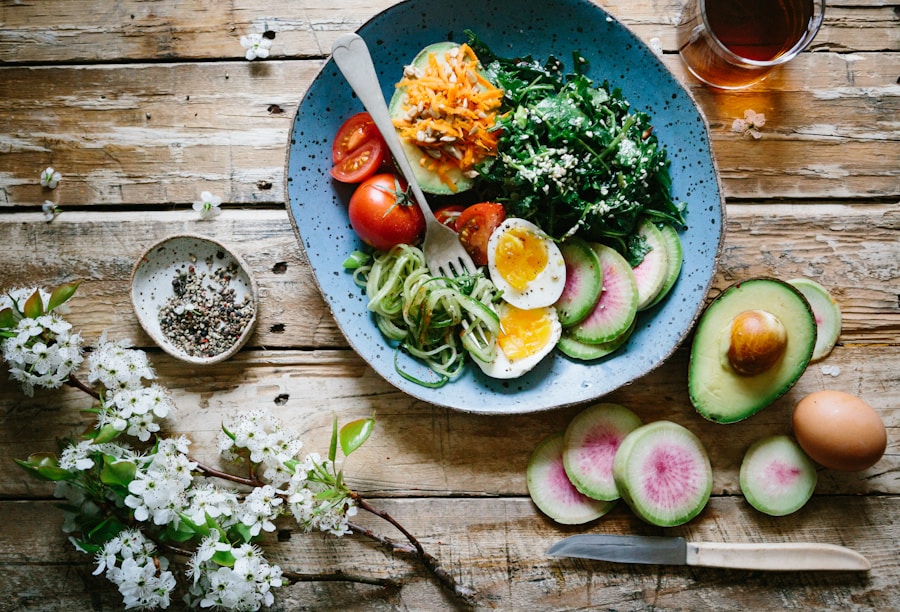
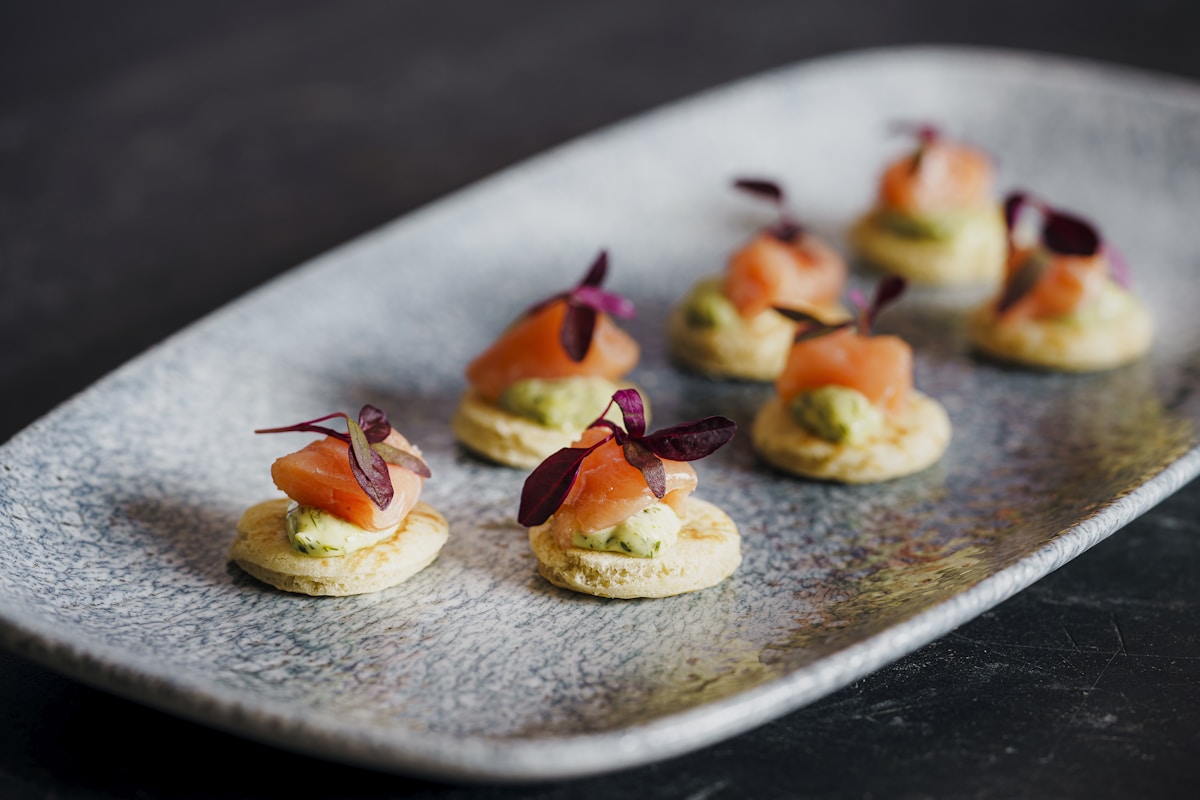
    Anti-Inflammatory Eating for Midlife Women: How Food Rebuilds Heart, Brain, and Skin — 임상 가이드 본문 이미지 1
    Photo by Unsplash
    Research Finding
    A 2024 Harvard Medical School study: individuals with elevated chronic inflammation markers (CRP, IL-6) had a 2.3× higher risk of heart disease, 1.8× higher risk of type 2 diabetes, and 1.6× higher risk of Alzheimer’s. Chronic inflammation is the shared root of all three.

    What drives chronic inflammation? Processed food, refined sugar, trans fats, excess omega-6 fatty acids, poor sleep, chronic stress, and smoking. Of these, diet carries the largest modifiable influence.

    Foods That Fuel Inflammation

    Understanding what to avoid is step one. These foods consistently raise inflammation markers like CRP and interleukin-6:

    Understanding what to avoid is step one.

    • Refined sugars and high-fructose corn syrup: Sodas, candy, ketchup, packaged sauces. Blood sugar spikes trigger oxidative stress and inflammatory cascades.
    • Trans fats: Some margarines, fast food, processed baked goods. A direct cause of vascular inflammation.
    • Refined carbohydrates: White bread, white rice (in excess), instant noodles. Rapid blood glucose spikes drive insulin resistance and systemic inflammation.
    • Omega-6-heavy seed oils: Soybean oil, corn oil, sunflower oil in large amounts. An imbalanced omega-6 to omega-3 ratio promotes systemic inflammation.
    • Processed meats: Sausages, bacon, ham. Classified as Group 1 carcinogens by the WHO — the inflammation link is part of the reason.
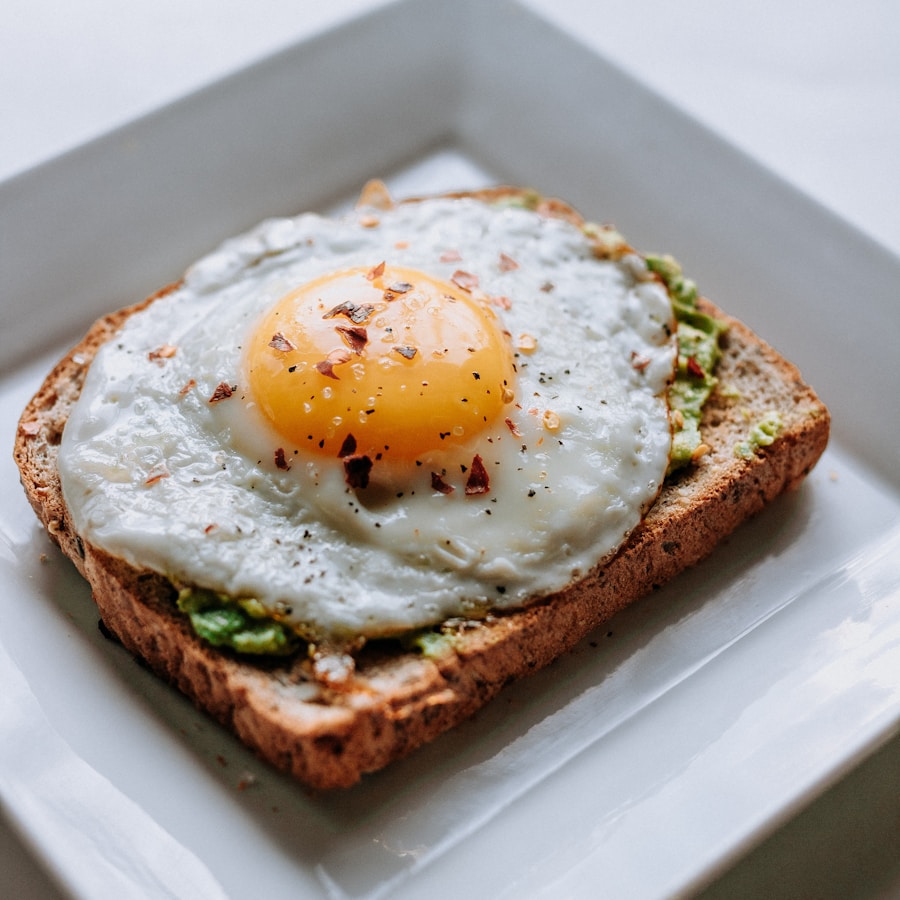
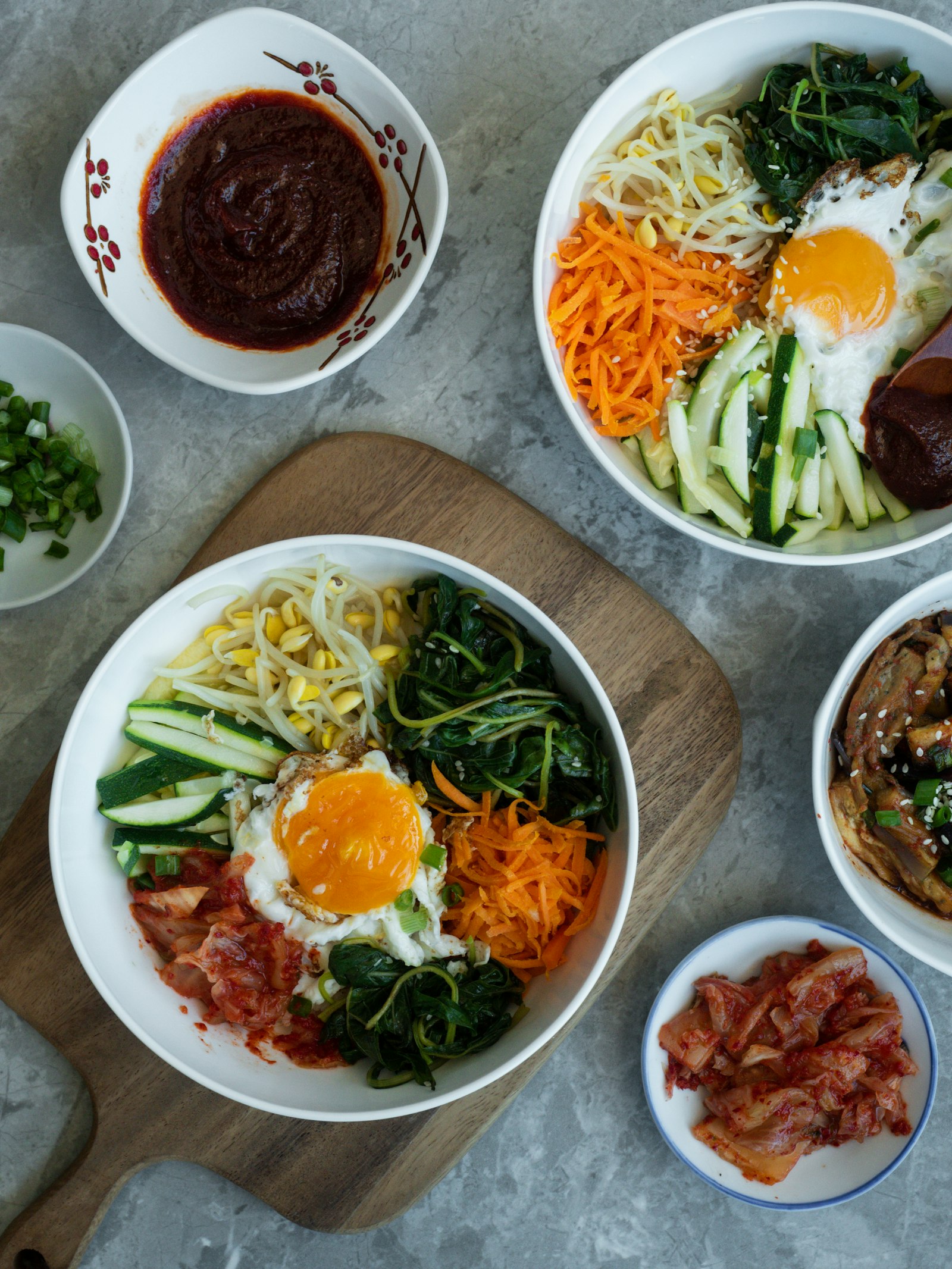
    Anti-Inflammatory Eating for Midlife Women: How Food Rebuilds Heart, Brain, and Skin — 임상 가이드 본문 이미지 2
    Photo by Unsplash

    The Top 10 Anti-Inflammatory Foods, Backed by Research

    Now for what to eat. These foods have been shown in clinical studies to measurably reduce inflammation markers:

    1. Blueberries (and berries generally): Anthocyanins inhibit the NF-κB inflammatory pathway. A daily handful has been shown to significantly lower CRP.
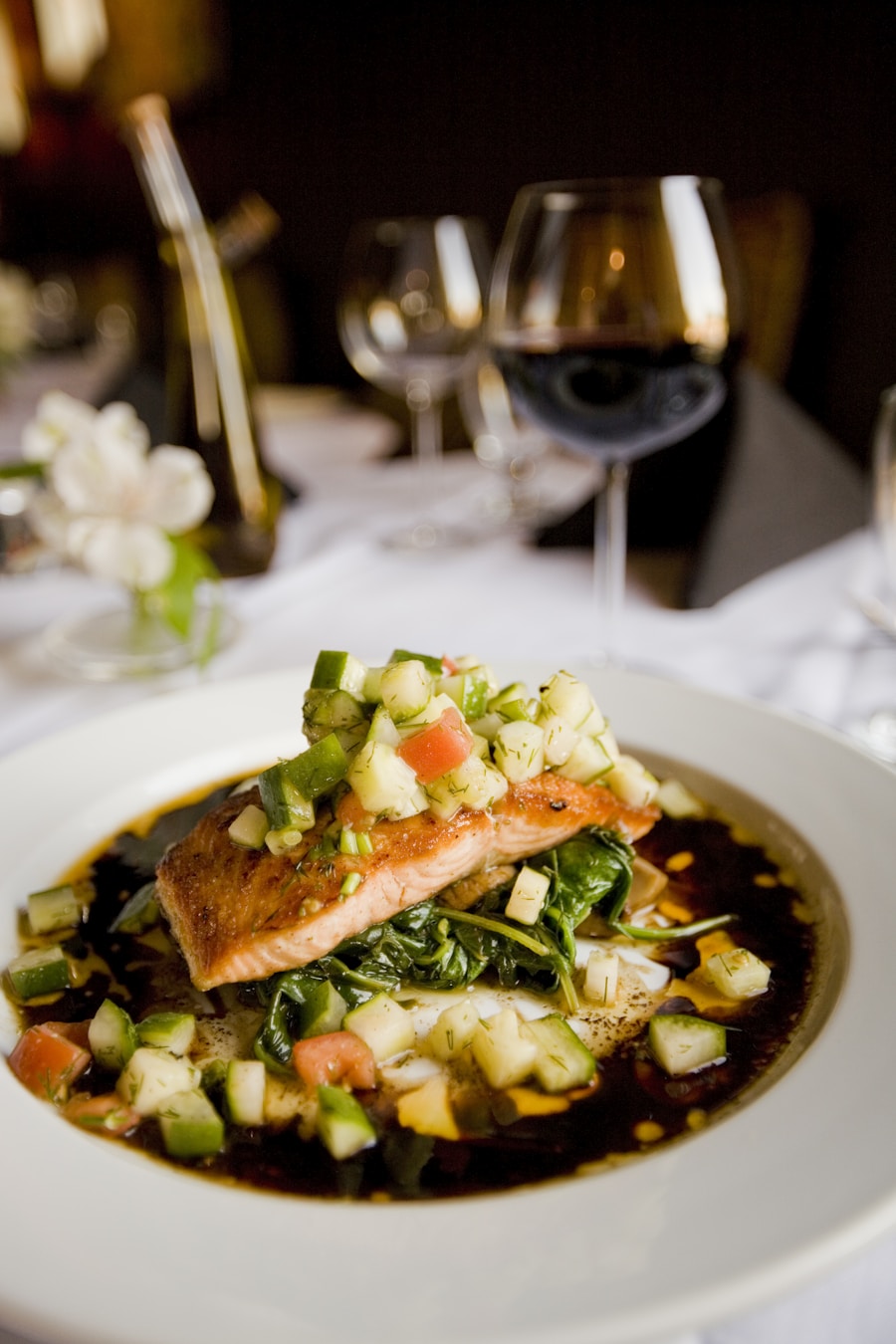
    2. Fatty fish (salmon, mackerel, sardines): EPA and DHA omega-3s directly increase anti-inflammatory cytokines.
    3. Extra virgin olive oil: Oleocanthal has COX-inhibiting effects similar to ibuprofen — without the gastrointestinal side effects.
    4. Turmeric (curcumin): A 2025 meta-analysis confirmed significant anti-inflammatory effects across arthritis, gut health, and neuroinflammation.
    5. Broccoli (and cruciferous vegetables): Sulforaphane activates the Nrf2 pathway, enhancing the cell’s own antioxidant defense system.
    6. Green tea: EGCG (epigallocatechin-3-gallate) is among the most potent naturally occurring antioxidants identified.
    7. Dark chocolate (70%+ cacao): Flavonoids reduce vascular inflammation and oxidative stress. Yes, chocolate can be medicine.
    8. Nuts (especially walnuts and almonds): Walnuts contain ALA omega-3s and vitamin E in a synergistic combination.
    9. Avocado: Monounsaturated fats and lutein provide anti-inflammatory protection for skin and eye tissue.
    10. Tomatoes (cooked): Lycopene bioavailability increases significantly with heat. Combine with olive oil for 3× better absorption.
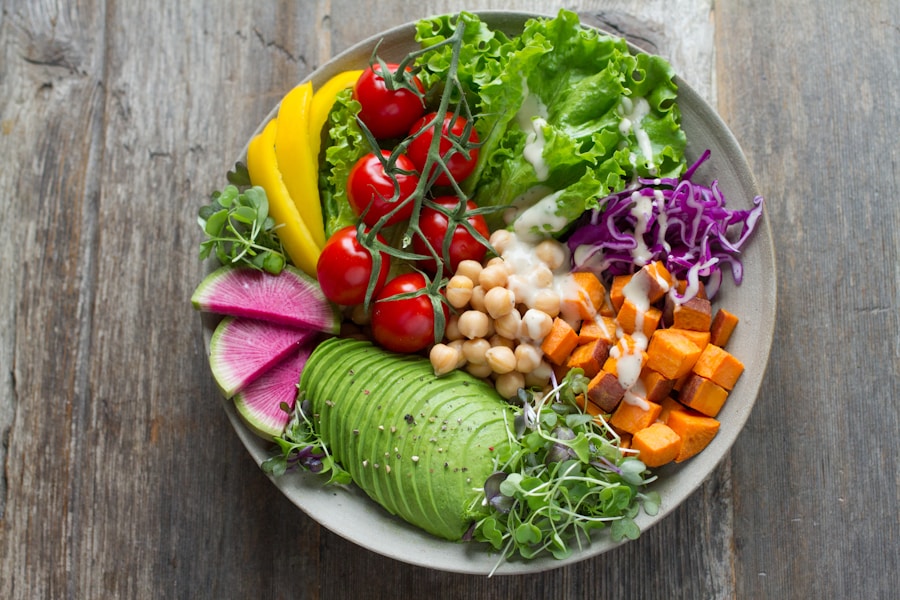
    Anti-Inflammatory Eating for Midlife Women: How Food Rebuilds Heart, Brain, and Skin — 임상 가이드 본문 이미지 3
    Photo by Unsplash

    Anti-Inflammatory Food Guide — At a Glance

    Pro-Inflammatory Foods (Reduce)

    Refined sugars & HFCS  ·  Trans fats  ·  Refined carbs (white bread, instant noodles)  ·  Processed meats  ·  Excess omega-6 seed oils

    Anti-Inflammatory TOP 10 (Increase)

    ① Blueberries & berries  ② Fatty fish (salmon, mackerel, sardines)  ③ Extra virgin olive oil  ④ Turmeric (curcumin)
    ⑤ Broccoli & cruciferous vegetables  ⑥ Green tea (EGCG)  ⑦ Dark chocolate 70%+  ⑧ Walnuts & almonds
    ⑨ Avocado  ⑩ Cooked tomatoes

    Three Changes to Start Today

    Swap snack foods → blueberries + walnuts  ·  Switch cooking oil → extra virgin olive oil  ·  Eat fatty fish at least twice this week

    An Anti-Inflammatory Diet Strategy You Can Start Today

    Trying to overhaul your entire diet at once is the most common path to failure. Small, sustained shifts produce real results.

    Three Changes to Make This Week

    1️⃣ Replace snack foods with blueberries + walnuts
    2️⃣ Switch your cooking oil to extra virgin olive oil (avocado oil for high-heat cooking)
    3️⃣ Eat fatty fish at least twice this week (salmon, mackerel, or sardines)

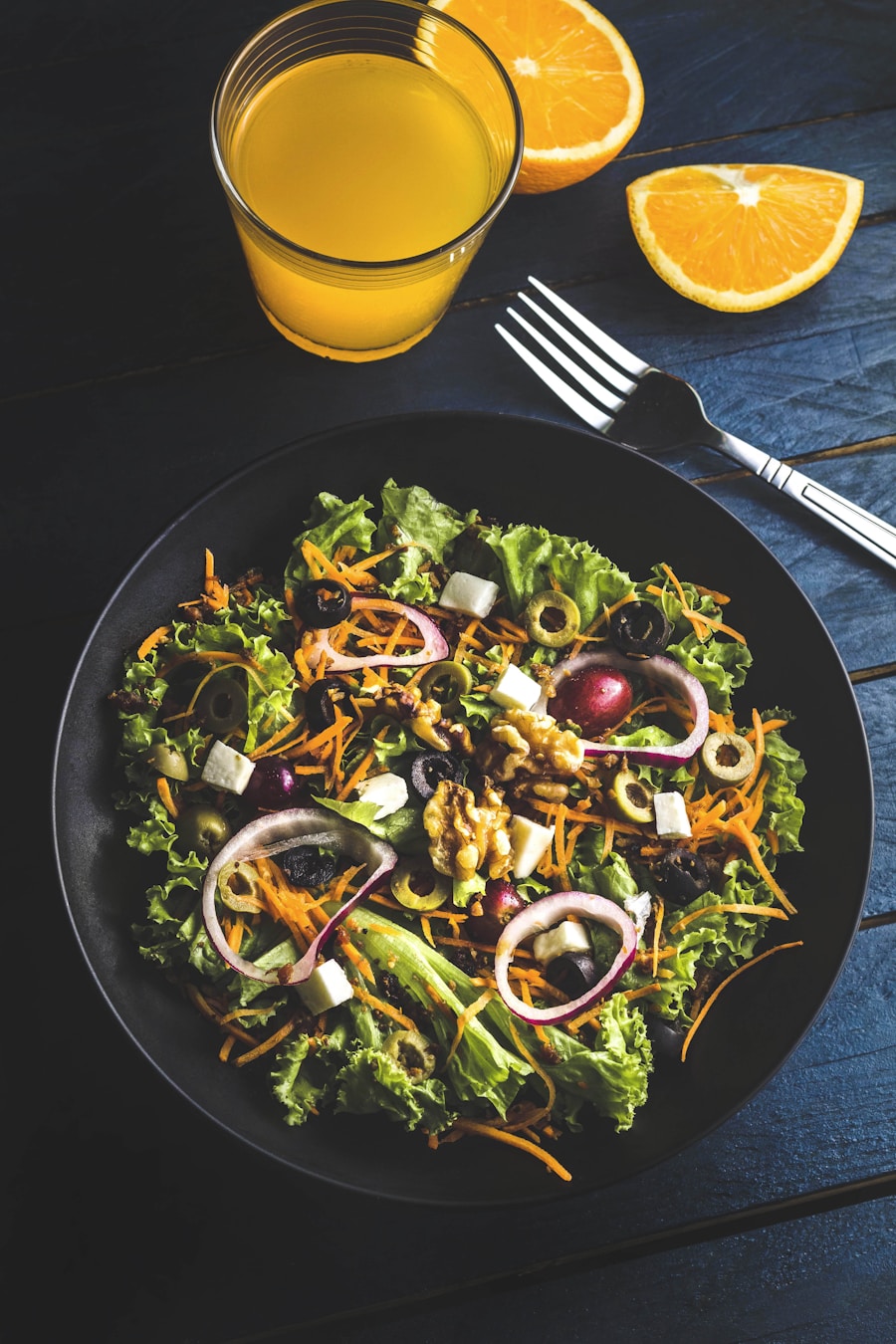
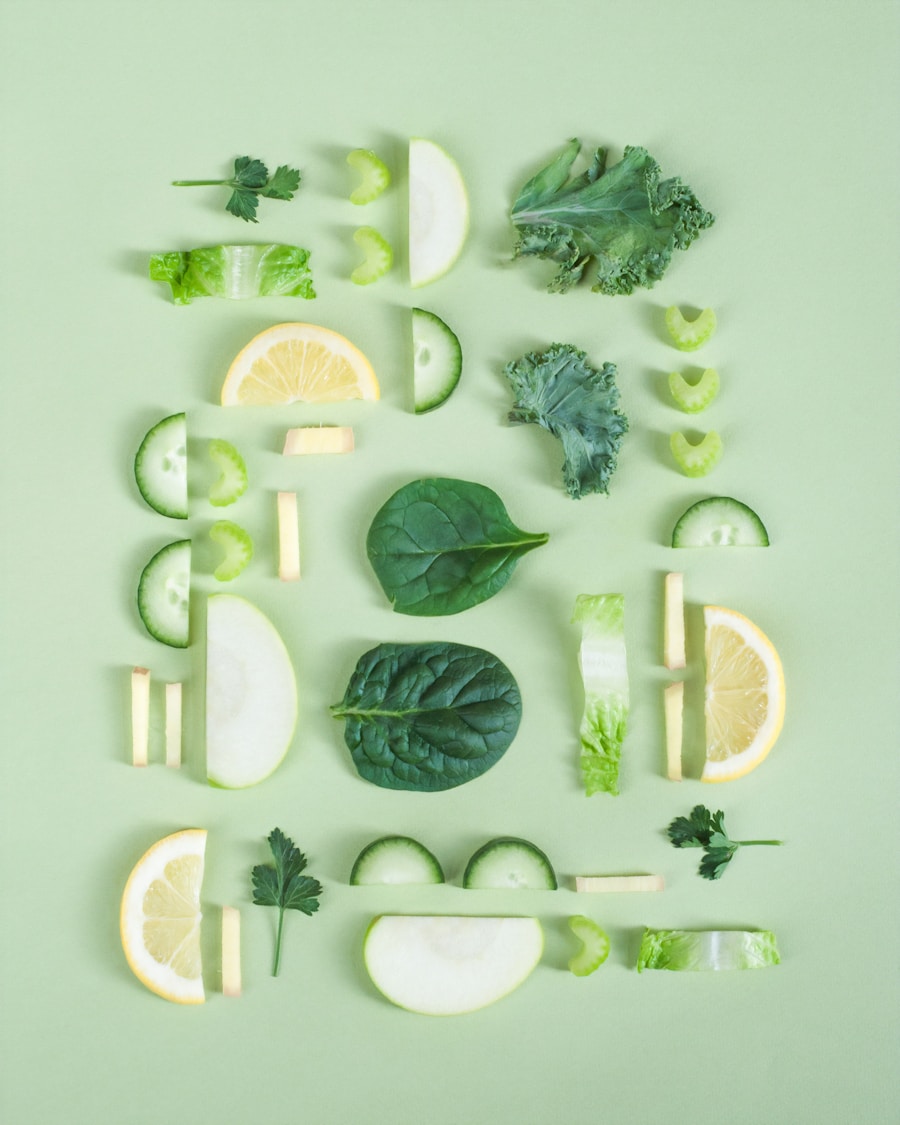
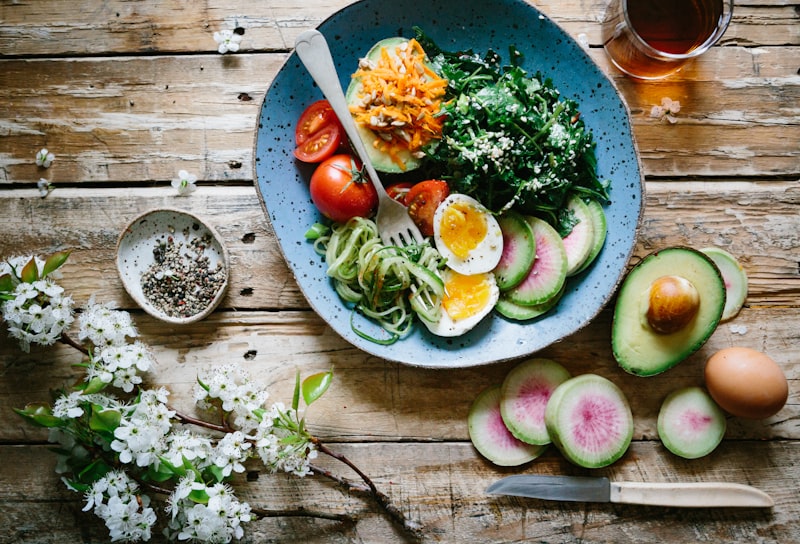
    One more principle: color diversity. Red (tomatoes, strawberries), orange (carrots, sweet potato), purple (blueberries, eggplant), green (broccoli, spinach), and white (garlic, onion) each deliver different anti-inflammatory phytochemicals. The closer your plate looks to a rainbow, the broader your anti-inflammatory coverage.
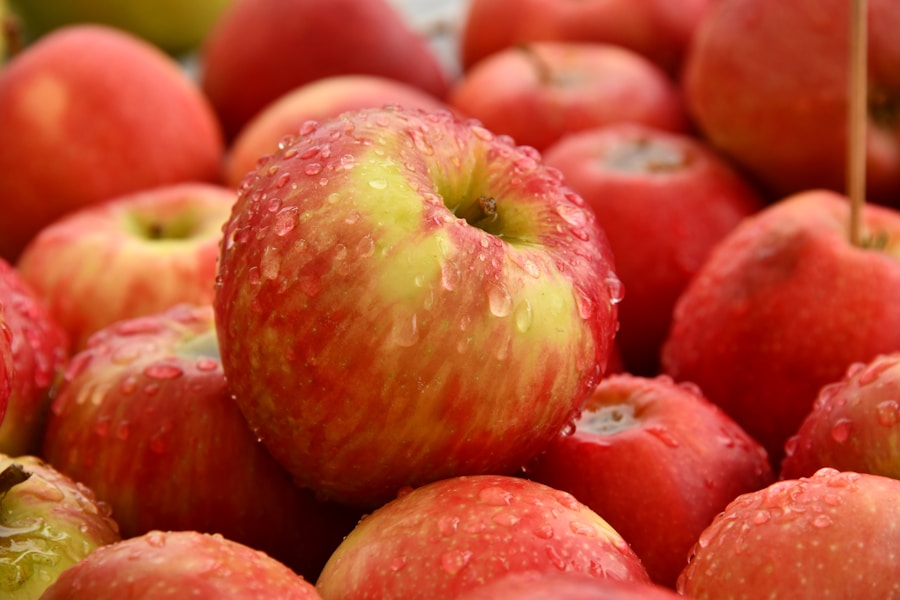
    Anti-Inflammatory Eating for Midlife Women: How Food Rebuilds Heart, Brain, and Skin — 임상 가이드 본문 이미지 4
    Photo by Unsplash

    How Traditional Fermented Foods Fight Inflammation

    Fermented foods deserve special attention in the anti-inflammatory conversation. The gut microbiome directly regulates systemic inflammation, and fermented foods are among the most powerful tools for nurturing a healthy microbiome.

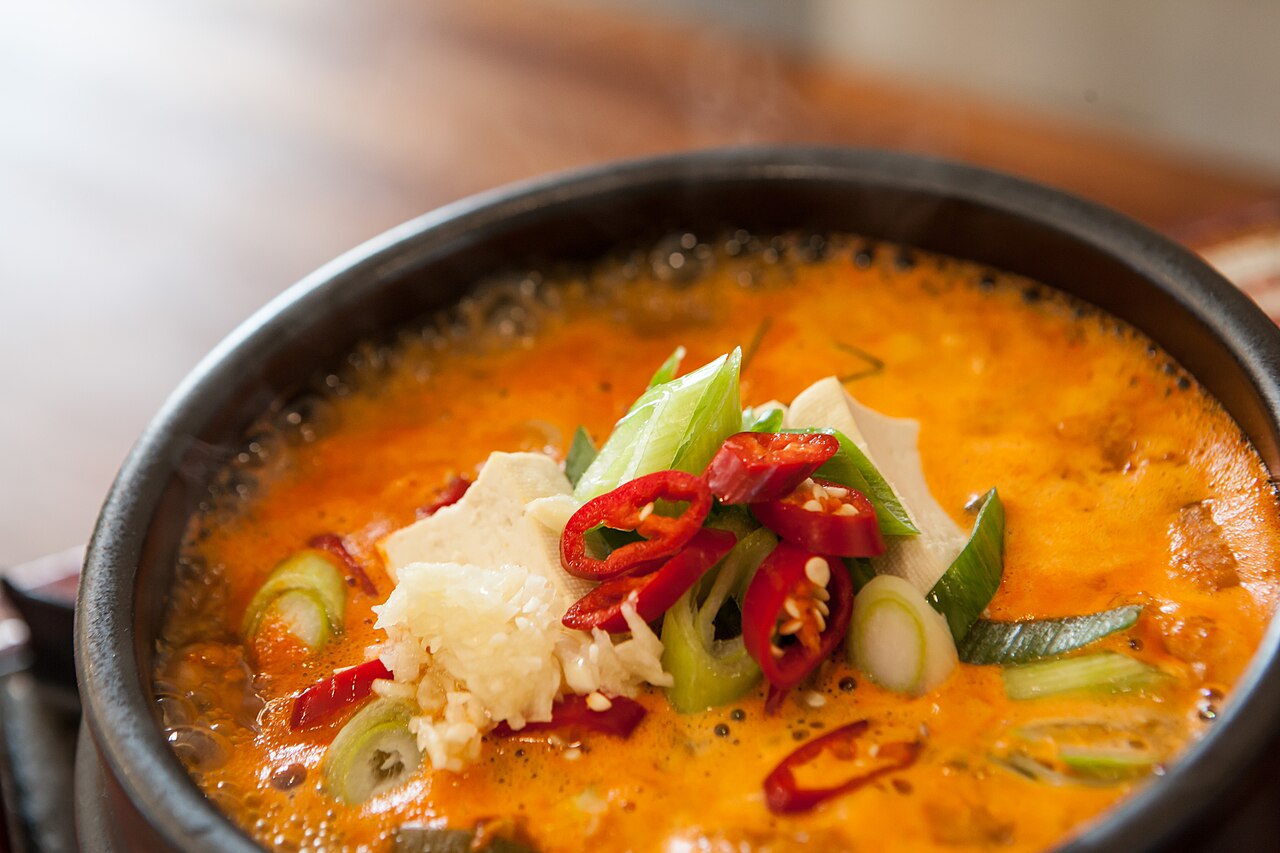
    • Kimchi: Combines lactobacillus bacteria + capsaicin + garlic + ginger — four anti-inflammatory agents in one fermented food. Research shows regular kimchi consumption is associated with lower CRP and improved gut diversity.
    • Miso and fermented soy products: Isoflavones and nattokinase reduce vascular inflammation and platelet aggregation.
    • Kefir and yogurt: Live cultures reduce intestinal permeability (leaky gut), a key driver of systemic inflammation.
    • Sauerkraut and fermented vegetables: Similar probiotic mechanisms to kimchi with strong gut lining support.

    A landmark 2021 Stanford study published in Cell found that a high-fermented-food diet over 10 weeks significantly increased microbiome diversity and decreased 19 inflammatory proteins — more effectively than a high-fiber diet alone.
    Anti-Inflammatory Eating for Midlife Women: How Food Rebuilds Heart, Brain, and Skin — 임상 가이드 본문 이미지 5
    Photo by Unsplash
    Omega-3, turmeric for chronic inflammation

    50~60대 여성용 갱년기 종합 영양제를 1회분 함량 기준으로 정리한 페이지로 이동합니다.

    갱년기 종합 영양제 비교

    50~60대 여성용 갱년기 종합 영양제를 1회분 함량 기준으로 정리한 페이지로 이동합니다.

    제품 비교 보기 →

    Coupang Partners 활동의 일환으로 일정액의 수수료가 제공될 수 있습니다.

    Frequently Asked Questions

    Can an anti-inflammatory diet help with weight loss?

    Not directly — but chronically high inflammation impairs insulin sensitivity and promotes visceral fat storage. As inflammation decreases, insulin sensitivity improves, and abdominal fat accumulation slows. Many people find gradual weight normalization as a secondary benefit of anti-inflammatory eating.

    Do turmeric supplements work as well as the food?

    Curcumin has low bioavailability on its own. Black pepper piperine increases curcumin absorption by up to 2,000%. When choosing a supplement, look for one that includes BioPerine (standardized piperine). Food-based turmeric in curries with black pepper is an effective approach too. anti-inflammatory supplements

    Is fish oil as good as eating actual fish?

    Whole fish is generally better — higher bioavailability, additional nutrients (vitamin D, selenium), and no oxidation risk. If fish is difficult to eat regularly, high-quality rTG-form omega-3 supplements are a reasonable alternative. Look for third-party tested products.

    How long before I notice a difference?

    Some people notice energy and joint improvements within 2 to 4 weeks. Skin changes are often visible in 6 to 8 weeks. Blood marker changes (CRP reduction) are statistically significant at 3 months of consistent adherence according to most clinical studies.

    Tonight’s challenge: If you have blueberries or walnuts in your kitchen, eat a small handful right now. If tonight’s dinner included garlic, ginger, or leafy greens — you’re already eating anti-inflammatory. Build from there.

    이 글은 일반적인 정보 제공을 목적으로 하며, 개인 맞춤 의료 상담을 대체하지 않습니다. 증상이 의심되거나 위험 요인이 있는 경우 산부인과·가정의학과·내분비내과 전문의와 상담하시길 권합니다.

    Sources: Harvard Medical School Anti-Inflammation Study (2024) / Nutrients Journal Curcumin Meta-Analysis (2025) / PREDIMED Trial (Mediterranean Diet) / Cell: High-fermented-food diet study, Stanford (2021) / WHO Processed Meat Classification

    This post contains Coupang Partners affiliate links. We may earn a commission on qualifying purchases.

    의학적 안내: 이 글의 정보는 일반 건강 정보이며 진단·치료·처방을 대체하지 않습니다. 증상이 지속되거나 악화되면 산부인과·내분비내과 전문의 상담을 권장합니다.

    글쓴이 · 100년건강지킴이
    3분 습관으로 30년 건강해지기 — 100daywell에서 건강 정보를 쉽게 정리해 전하는 에디터입니다. 의료 전문가가 아니며, 본 내용은 질병관리청·국내외 임상연구 등 공신력 있는 출처를 바탕으로 한 일반적 정보로 진단·치료를 대체하지 않습니다.
  • 30 g of Morning Protein for Midlife Women: A 2025 Meta-Analysis on Preventing Muscle Loss

    30 g of Morning Protein for Midlife Women: A 2025 Meta-Analysis on Preventing Muscle Loss

    혹시 이런 경험 있으세요?
    갱년기 변화를 느낀다
    예전과 다른 컨디션이 신경 쓰인다
    관리 우선순위를 정하고 싶다
    1개라도 해당하면 이 글이 도움이 됩니다.

    ️ Reading time: ~6 min 갱년기 장 건강과 에스트로볼롬 — 폐경 후 마이크로바이옴이 호르몬·체중·면역을 결정하는 4가지 메커니즘과 한 달 회복 가이드 (2026)

    Key Takeaways

    • 30g of protein at breakfast triggers the strongest muscle protein synthesis (MPS) signal of the day.
    • 2025 MDPI Nutrients meta-analysis: even protein distribution across 3 meals raises 24-hour MPS by 25%.
    • The mechanism is your “muscle clock” — skeletal muscle cells are most sensitive to amino acids in the morning.
    • Skipping morning protein cuts your muscle-building potential nearly in half, even if you eat a steak for dinner.
    Protein-rich breakfast
    Photo by Unsplash

    You hit the gym four times a week, but the mirror still doesn’t budge. The hidden lever might not be more reps — it might be 30 grams of protein at breakfast. A 2025 meta-analysis published in MDPI Nutrients reviewed 12 randomized trials and reached a stunning conclusion: people who ate the same total protein, but distributed evenly across breakfast, lunch, and dinner, built 25% more muscle over 24 hours than those who back-loaded protein at dinner. 갱년기 콜레스테롤 급증 — 폐경 후 LDL이 왜 오르나, 식이·운동·HRT·스타틴 4가지 전략 비교 (2026 임상 가이드)

    30초 핵심 요약
    • Table of Contents
    • 1. What Is the “Muscle Clock”?
    • 2. Why 30g Is the Magic Number
    • 3. The Western Breakfast Trap

    Table of Contents

    1. What Is the “Muscle Clock”?

    In 2021, Waseda University researchers published a landmark paper in Cell Reports showing that every cell in the body — including skeletal muscle — runs on its own internal clock. They named it the muscle clock, governed by a gene called BMAL1. 갱년기 식물성 에스트로겐 4종 심층 비교 — 콩 이소플라본·레드클로버·아마씨·블랙코호시 임상 데이터 정리

    25%
    ast, lunch, and dinner, built 25% more muscle over 24 hours
    — 본문 인용 출처 / 임상 보고

    In their mouse model, animals fed protein concentrated in the early active phase (the equivalent of human morning) experienced 25–40% greater skeletal-muscle hypertrophy than animals on an evenly distributed diet — and far more than animals fed protein only at night. The total protein was identical. Only the timing changed.

    In 2021, Waseda University researchers published a landmark paper in Cell Reports showing that every cell in the body — including skeletal muscle — runs on its own internal clock.

    Muscle protein synthesis
    Photo by Unsplash
    The Key Study
    Aoyama, S. et al. (2021). “Distribution of dietary protein intake in daily meals influences skeletal muscle hypertrophy via the muscle clock,” Cell Reports, 36(1). The first paper to show that timing — not just amount — drives muscle growth, mediated by the BMAL1 clock gene.

    2. Why 30g Is the Magic Number

    The “30g” figure isn’t arbitrary. Maximally activating muscle protein synthesis requires roughly 2.5–3g of leucine, the amino acid that flips the mTOR switch. That works out to ~30g of high-quality animal or whey protein. Researchers call this the leucine threshold.

    Breakfast Protein MPS Signal Example Meal
    ≤ 10g Negligible Toast and coffee
    15–20g Partial 2 eggs, oatmeal
    30g+ Full activation (max) Greek yogurt + 3 eggs + nuts
    > 40g No additional benefit (Diminishing returns)

    The 2025 MDPI Nutrients meta-analysis pooled data from 12 RCTs and confirmed: spreading 25–30g of protein evenly across three meals raised 24-hour myofibrillar synthesis by 25% versus the same total protein eaten heavily at dinner. protein powder

    3. The Western Breakfast Trap

    Look at a typical American breakfast: a bagel, coffee, maybe a banana. Protein content: 6–10g. Most people then eat a sandwich at lunch (15–20g) and pack 50g+ into a chicken-and-rice dinner. They feel like they’re “getting plenty of protein,” and on paper, they are.

    The problem? The body can only use ~30g of protein per meal for muscle synthesis. The rest gets oxidized for energy or stored. You can eat 80g at dinner, but your muscles will only “spend” 30g of it. The other 50g is functionally wasted from a hypertrophy standpoint.

    Bagel and coffee breakfast
    Photo by Unsplash

    4. A 5-Minute, 30g-Protein Breakfast Formula

    The 5-Minute Build

    1. Step 1 (1 min): Scoop 200g of plain Greek yogurt into a bowl (~18g protein).
    2. Step 2 (2 min): Add 2 hard-boiled eggs (12g) — prep a batch on Sunday.
    3. Step 3 (1 min): Top with a small handful of walnuts/almonds (5g) and berries.
    4. Step 4 (1 min): Drizzle honey or sprinkle cinnamon to taste.
    5. Total protein: ~32g — leucine threshold cleared.

    No time at all? A whey protein shake (25g) plus one egg (6g) takes 90 seconds. Or cottage cheese (28g per cup) with fruit. The key isn’t the recipe — it’s clearing 30g before noon.

    High-quality protein for muscle preservation

    5. Frequently Asked Questions

    Does whey protein powder count?

    Absolutely. Whey is leucine-dense and digests quickly, making it one of the most efficient ways to hit the threshold. That said, whole-food protein delivers micronutrients too, so use both.

    I do intermittent fasting — does this still apply?

    Yes. Hit the 30g target at your first meal, whatever time that is. For your body, that meal becomes the start of the active phase, and the muscle clock responds accordingly.

    Is 30g of protein hard on the kidneys?

    Multiple long-term studies show that 1.6–2.2g of protein per kg of body weight is safe for healthy adults. If you have pre-existing kidney disease, consult your physician first.

    Will this work if I don’t lift weights?

    Protein synthesis still occurs and helps prevent age-related muscle loss (sarcopenia). But to actually grow muscle, you need a resistance-training stimulus at least 2x per week.

    Today’s Challenge

    For the next 7 mornings, hit 30g of protein before 10 AM. Greek yogurt + 2 eggs + a handful of nuts gets you there in five minutes. Notice the difference in afternoon energy, recovery, and satiety — your muscle clock will thank you.

    이 글은 일반적인 정보 제공을 목적으로 하며, 개인 맞춤 의료 상담을 대체하지 않습니다. 증상이 의심되거나 위험 요인이 있는 경우 산부인과·가정의학과·내분비내과 전문의와 상담하시길 권합니다.

    Sources: Aoyama et al., Cell Reports (2021); Hudson, J. L. et al., The Journal of Nutrition (2022); MDPI Nutrients meta-analysis (2025, 17(13):2070); American College of Sports Medicine protein guidelines (2024).

    This post contains Coupang Partners affiliate links. We may earn a commission on qualifying purchases.

    50~60대 여성용 갱년기 종합 영양제를 1회분 함량 기준으로 정리한 페이지로 이동합니다.

    More from the Korean Wellness Series

    Korean dietary, beauty, and traditional medicine approaches to midlife and menopause health.

    Korean Doenjang for Menopausal Hot Flashes: How Fermented Soybean Paste Delivers Phytoestrogens (2026 Guide)

    Korean Wellness
    Korean Doenjang for Menopausal Hot Flashes: How Fermented Soybean Paste Delivers Phytoestrogens (2026 Guide)

    Menopausal Depression and Anxiety: HRT vs SSRI vs CBT vs Lifestyle — A 2026 Clinical Comparison for Midlife Women

    Korean Wellness
    Menopausal Depression and Anxiety: HRT vs SSRI vs CBT vs Lifestyle — A 2026 Clinical Comparison for Midlife Women

    K-Beauty 10-Step Skincare for Menopausal Skin: A Korean Dermatology Approach to Barrier Repair (2026 Guide)

    Korean Wellness
    K-Beauty 10-Step Skincare for Menopausal Skin: A Korean Dermatology Approach to Barrier Repair (2026 Guide)

    Korean Kimchi & Fermented Foods for Menopause Gut Health: The Estrobolome Connection

    Korean Wellness
    Korean Kimchi & Fermented Foods for Menopause Gut Health: The Estrobolome Connection

    Korean Low-Carb Bibimbap vs Mediterranean Diet: Which Reduces Menopausal Belly Fat Faster? (2026 Clinical Comparison)

    Korean Wellness
    Korean Low-Carb Bibimbap vs Mediterranean Diet: Which Reduces Menopausal Belly Fat Faster? (2026 Clinical Comparison)

    Mitochondrial Health for Midlife Women: Why 30 Min of Zone 2 Walking Beats HIIT (2026)

    Korean Wellness
    Mitochondrial Health for Midlife Women: Why 30 Min of Zone 2 Walking Beats HIIT (2026)

    50~60대 여성용 갱년기 종합 영양제를 1회분 함량 기준으로 정리한 페이지로 이동합니다.

    제품 비교 보기 →

    Coupang Partners 활동의 일환으로 일정액의 수수료가 제공될 수 있습니다.

    의학적 안내: 이 글의 정보는 일반 건강 정보이며 진단·치료·처방을 대체하지 않습니다. 증상이 지속되거나 악화되면 산부인과·내분비내과 전문의 상담을 권장합니다.

    권위 출처 (Peer-reviewed Sources)

    글쓴이 · 100년건강지킴이
    3분 습관으로 30년 건강해지기 — 100daywell에서 건강 정보를 쉽게 정리해 전하는 에디터입니다. 의료 전문가가 아니며, 본 내용은 질병관리청·국내외 임상연구 등 공신력 있는 출처를 바탕으로 한 일반적 정보로 진단·치료를 대체하지 않습니다.