-

갱년기 복부 비만 — 에스트로겐이 줄면 왜 배만 나오나, 과학적으로 파헤치고 되돌리는 법
목차 “밥도 안 먹고, 운동도 하는데 왜 배만 나오지?” — 40대 중반 이후 많은 분들이 겪는 이 현상은 의지 부족이 아닙니다. 갱년기 여성의 체지방 재분배는…
-

갱년기 호르몬 검사 가이드 — FSH·에스트라디올·AMH·TSH, 8가지 핵심 질문
⏱️ 읽는 시간: 약 9분 주말에 시간을 내어 갱년기 검사를 알아보려 할 때 가장 먼저 알아야 할 사실은 “호르몬 수치만으로는 갱년기를 진단하지 않는다”는 점입니다. 북미폐경학회(NAMS)와…
-
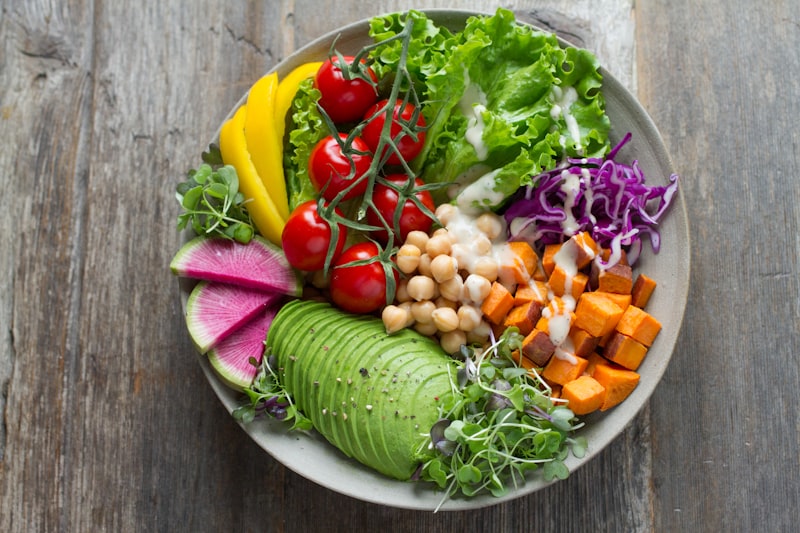
Anti-Inflammatory Eating for Midlife Women: How Food Rebuilds Heart, Brain, and Skin
Inflammation rises after menopause. The clinical case for an anti-inflammatory diet — adapted for cardiovascular, brain, and skin health in midlife.
-

Why Low-Intensity Training Suits Midlife Women: The 70% Rule of Elite Athletes
Higher intensity isn’t always better — especially during perimenopause. The science behind why elites spend most training in lower zones.
-

Magnesium Glycinate for Midlife Insomnia: 14-Day Clinical Trial Results (2025)
14-Day Magnesium Glycinate Trial Shows 67% Better Sleep — Why Mid-Life Women Are Switching from Sleep Pills. New 2025 PubMed Clinical Data on Dose, Form,…
-
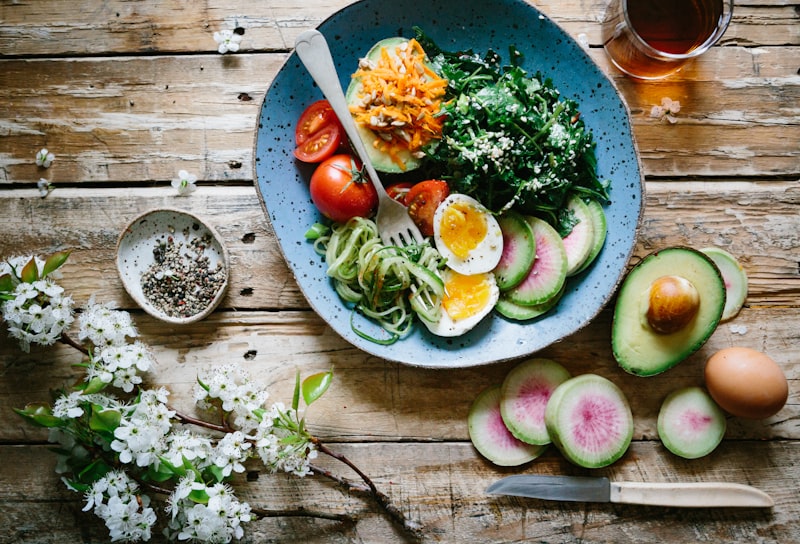
30 g of Morning Protein for Midlife Women: A 2025 Meta-Analysis on Preventing Muscle Loss
Sarcopenia accelerates after menopause. A 2025 meta-analysis on how 30 grams of morning protein activates the muscle clock.
-

Mitochondrial Health for Midlife Women: Why 30 Min of Zone 2 Walking Beats HIIT (2026)
The post-menopause energy decline is largely mitochondrial. New 2026 research shows Zone 2 walking improves mitochondrial function 49%.
-

하루 2분 ‘운동 스낵’의 기적 — 2025 BMJ 논문이 증명한 심폐지구력 137% 개선
⏱️ 읽는 시간: 약 6분 갱년기 근감소증 — 폐경 후 근육이 빠지는 4가지 호르몬 메커니즘과 한 달 단백질·저항운동 챌린지 (2026 임상 가이드) 아침에 ‘운동 스낵’…
-
Sleep Disruption in Midlife Women: What 7 Hours Actually Does for Hormones and Cognition
More than half of midlife women experience sleep issues. Latest research on how 7 hours of sleep affects hormone balance, memory, and cardiovascular health.
-
Brain Fog and Mood in Midlife: How 30 Seconds of Cold Water Lifts Dopamine
Brain fog and motivation dips are common in perimenopause. What clinical research shows about a 30-second cold exposure’s effect on dopamine and norepinephrine.